Poor communication and stretched staffing hampered Southland storm response, review finds
Resumen detallado
A review of Southland's emergency response to the region's devastating windstorm has found that it was hampered by fragmented communication, poor information-sharing, stretched…
A review of Southland's emergency response to the region's devastating windstorm has found that it was hampered by fragmented communication, poor information-sharing, stretched staffing and difficulties managing generators.
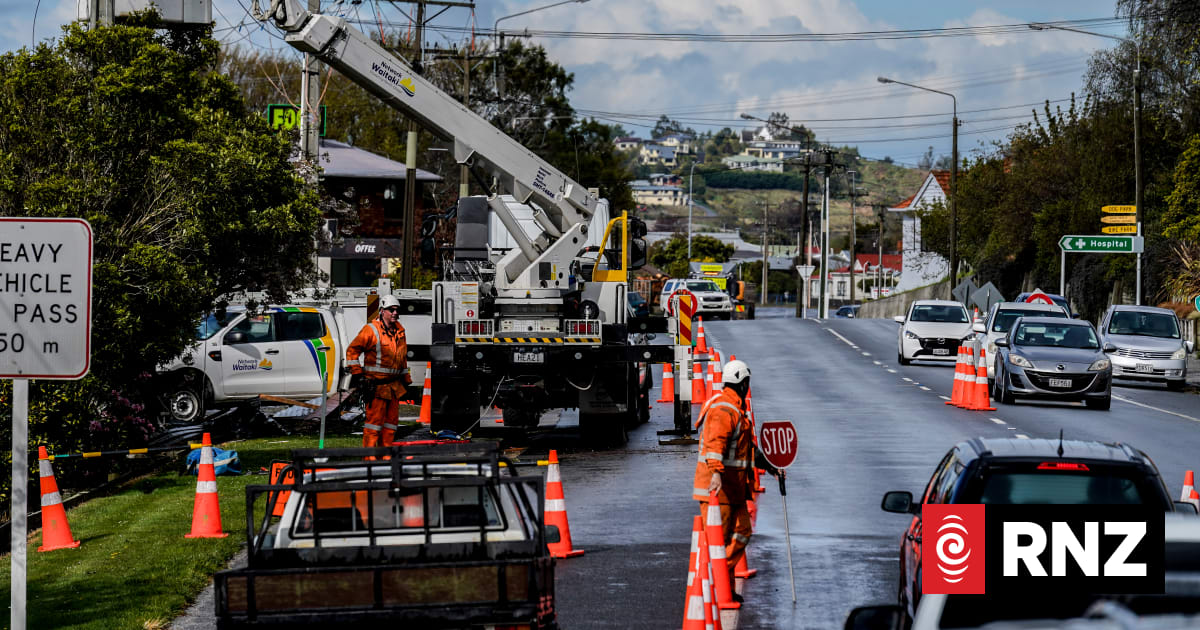
Gusts of up to 180 kilometres per hour hit Southland last October, toppling trees, damaging properties, and leaving thousands without power, some for more than two weeks.
The storm, which was one of Southland's most damaging and disruptive, blew in on 23 October. By the following day, 86 cell towers were offline. On 25 October, a total of 40 farms could not milk and by 29 October, 180 farms were still without power.
The review, by Chris Hawker of C3 Consulting, found the problems exposed by the storm were not isolated shortcomings but reflected wider systemic issues around communication, governance, staffing and emergency preparedness.
The review said future resilience would depend on integrated systems, clearer decision-making, stronger resourcing, greater transparency, and better organisational preparedness.
The review found the need for generators was identified early but allocation was constrained by incomplete outage information, limited supply, technical compatibility, transport, approval and tracking requirements.
The New Zealand Defence Force flew portable generators to the region on two flights, but emergency management staff declined a third flight after the generator management team said it had sufficient resources and the proposed flight would have taken about a day and cost up to $300,000.
There was particular difficulty deciding whether businesses should receive generators. The review found emergency management generally should not compensate for inadequate business continuity planning but supplying generators could be justified where a business provided critical services such as food, fuel or healthcare, or where animal welfare was involved.
"This distinction matters because scarce emergency resources must be directed first to life…
Inicio del artículo, extracto de RNZ. Para leer el resto, abra el artículo en el sitio del medio.
MarketNews muestra el titular y el resumen publicados por el medio. El artículo completo se lee en el sitio del editor. (www.rnz.co.nz)