A seismic ICJ ruling has found Myanmar responsible for genocide. But will it help the Rohingya?
Resumen detallado
A world-first ruling from the International Court of Justice could change how courts treat genocide – but how the ruling will be enforced remains an open question.
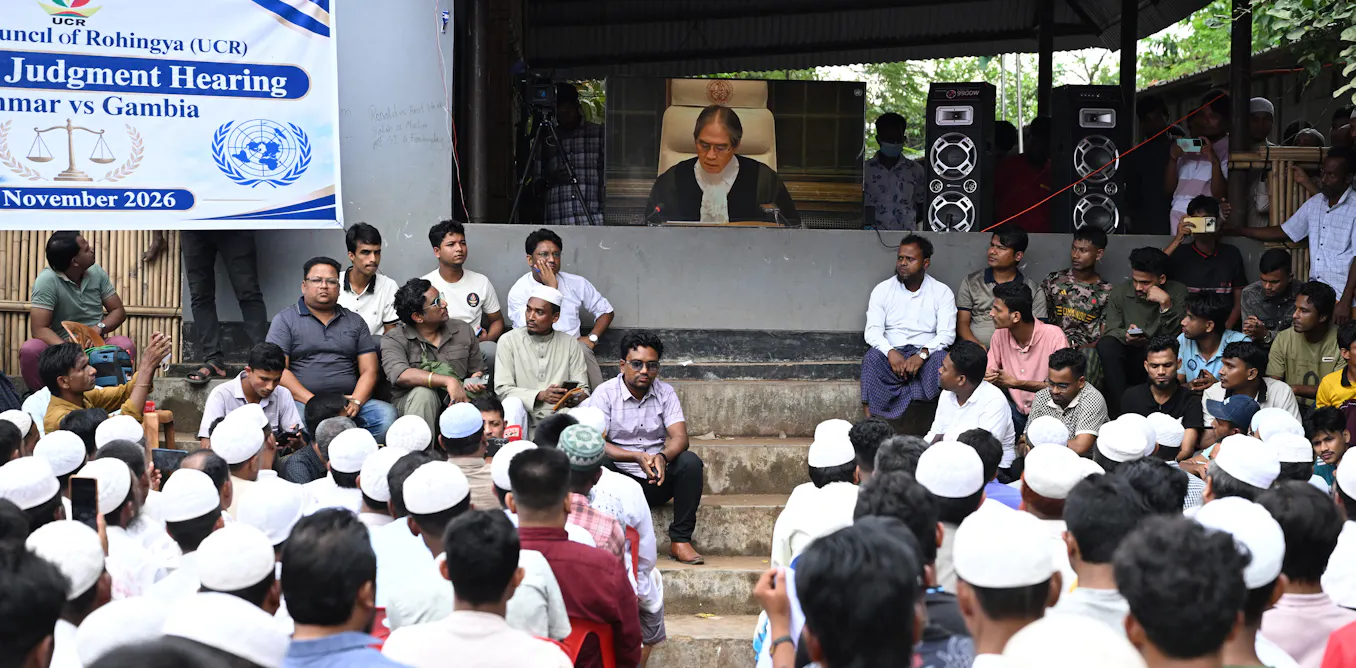
Yesterday, the International Court of Justice in The Hague ruled, by nine votes to six, that Myanmar is responsible for having committed a genocide against the Rohingya in 2017, and had also failed to investigate and prosecute those responsible.
In the landmark ruling, which came seven years after the case was filed, the court ordered Myanmar must provide restitution and compensation to the victims of its “clearance operations” in Rakhine State in 2017.
It is the first time since the adoption of the UN genocide convention in 1948 that the court has found a state responsible for committing genocide.
Twice before, however, the ICJ has ruled on the merits of a genocide claim.
In 2007, the court found Bosnian Serb forces had committed genocide at Srebrenica in 1995 during the Bosnian War, but that Serbia itself was not responsible for it. It concluded instead that Serbia had failed to prevent the genocide and punish those responsible.
And in 2015, the ICJ dismissed Croatia’s claim and Serbia’s counter-claim over crimes committed during the conflict after the breakup of Yugoslavia in the 1990s. The court found serious crimes had occurred, but there was not the intent to destroy a group that genocide requires.
The case against Myanmar was already significant because it set a new precedent for who can bring cases to the ICJ.
This reasoning will be considered carefully in another genocide case currently before the court, brought by South Africa against Israel over its actions in Gaza.
Following attacks by a Rohingya armed group, Myanmar’s military launched a wave of what it called “clearance operations” in northern Rakhine State in late 2017. Many thousands of Rohingya civilians were killed, hundreds of women and girls were raped, villages were burned and more than 740,000 people fled to neighbouring Bangladesh.
Inicio del artículo, extracto de The Conversation AU. Para leer el resto, abra el artículo en el sitio del medio.
MarketNews muestra el titular y el resumen publicados por el medio. El artículo completo se lee en el sitio del editor. (theconversation.com)