CNA Explains: Can a country be held accountable for genocide?
Resumen detallado
The UN’s landmark ruling against Myanmar this week raises questions over how countries can be held accountable for genocide, whether judgments can be enforced and what justice…
The UN’s landmark ruling against Myanmar this week raises questions over how countries can be held accountable for genocide, whether judgments can be enforced and what justice means for victims.
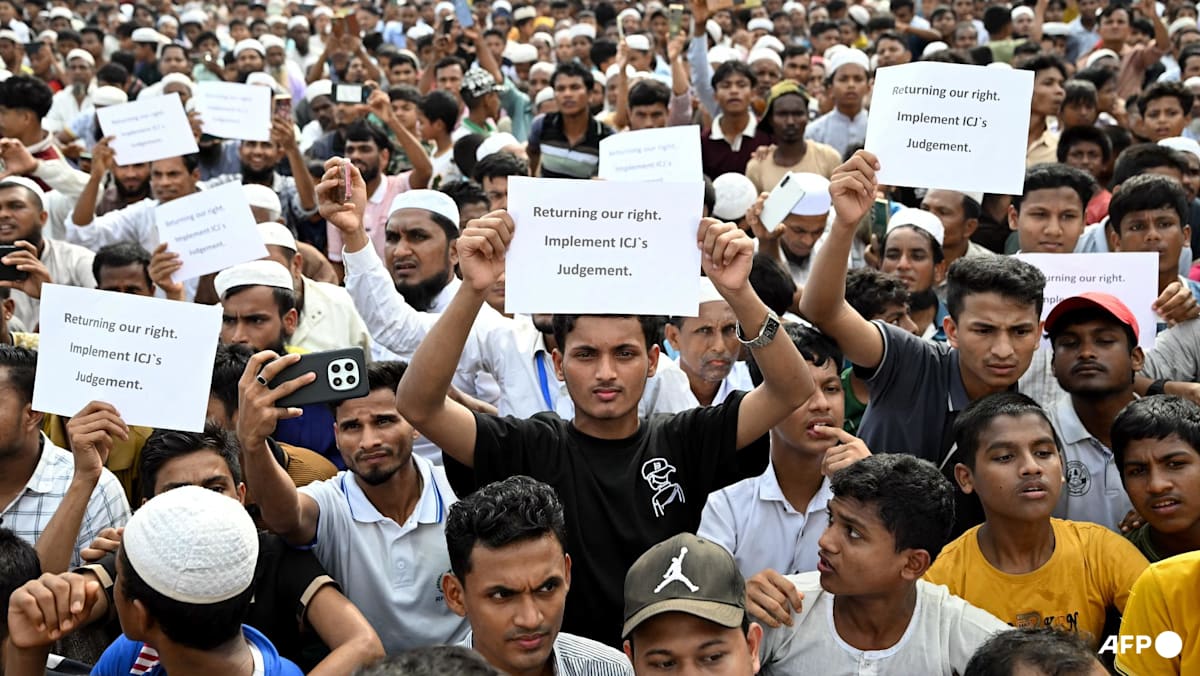
SINGAPORE: In a historic first, the United Nations’ top court has ruled that Myanmar committed genocide against the Rohingya people, nearly a decade after a brutal military crackdown forced hundreds of thousands to flee the country.
The International Court of Justice (ICJ) delivered its long-awaited verdict on Thursday (Nov 19), seven years after the West African country of Gambia brought the case against Myanmar.
In a nine-to-six majority ruling, ICJ judges found that Myanmar had committed genocide against the mostly Muslim minority and ordered the country to provide reparations to victims, with a two-year deadline to report on measures taken.
The landmark judgment marks the first time the ICJ has held a state accountable for genocide - and sets a precedent for how the 1948 UN Genocide Convention is applied to countries accused of such atrocities.
But while it marks a significant victory, questions still remain over whether Myanmar will comply with the judgement - and what happens if it refuses.
CNA examines what happens next, whether the ruling can be enforced and what it means for the Rohingya.
The three-hour ruling was delivered by presiding ICJ judge Yuji Iwasawa.
The court found Myanmar had the “intention to destroy” a substantial part of the Rohingya population during its military crackdown in 2017 - meeting the legal threshold for genocide.
Inicio del artículo, extracto de CNA. Para leer el resto, abra el artículo en el sitio del medio.
MarketNews muestra el titular y el resumen publicados por el medio. El artículo completo se lee en el sitio del editor. (www.channelnewsasia.com)