Moscow accuses Estonia of hostile actions on ‘verge of triggering open war’
Resumen detallado
Among a list of accusations, Russia said Estonia had allowed Ukraine to use its airspace “on the quiet” to attack Russian targets. Read more at straitstimes.com.
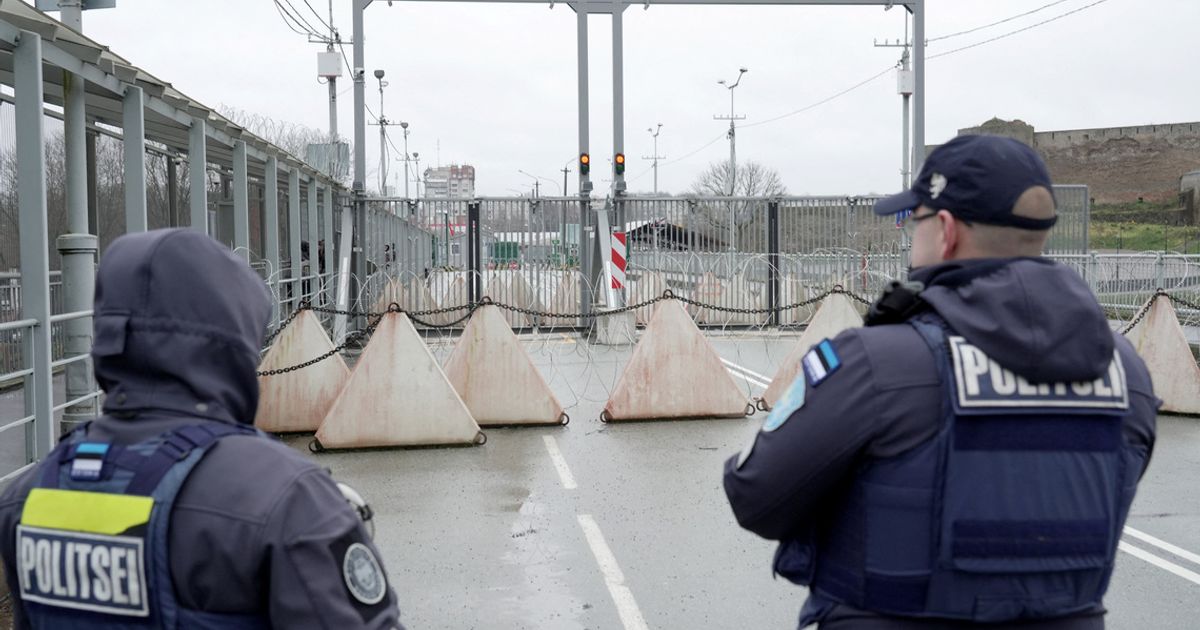
Police and Border Guard service members stand on the bridge over the Narva River at the border crossing point with Russia in Narva, Estonia, on Nov 17.
MOSCOW - Russia’s Foreign Ministry on Nov 23 accused Estonia, a NATO and European Union member state, of a range of hostile actions “on the verge of triggering open war”, ratcheting up its rhetoric after Estonia announced the closure of their land border.
Estonia plans to close border crossings with Russia from Dec 1 for at least six months after accusing Russian security services of staging an attempted arson attack on an Estonian defence company. Russia denied involvement in the attack.
The Russian ministry set out its accusations in a statement after summoning Estonia’s charge d’affaires in Moscow to issue a formal protest over Tallinn’s decision to close the border.
“The Estonian diplomat was once again told that such provocative and extremely dangerous actions are on the verge of triggering open war with Russia,” the Russian ministry said.
Among a list of accusations, it said Estonia had allowed Ukraine to use its airspace “on the quiet” to attack Russian targets.
It also accused Estonia of trying to obstruct the movement of Russian cargo ships in the Baltic Sea, banning the transit of Russian and Belarusian grain, seeking a ban on the Russian language and threatening to close the Russian Orthodox Church.
“The Russian side reserves the right to take comprehensive political and diplomatic measures aimed at protecting Russia’s national interests and the legitimate rights of its citizens,” the ministry said.
In a statement, Estonia’s Foreign Ministry did not respond to all of the allegations but denied that it allows its territory to be used for Ukrainian military operations.
Inicio del artículo, extracto de The Straits Times. Para leer el resto, abra el artículo en el sitio del medio.
MarketNews muestra el titular y el resumen publicados por el medio. El artículo completo se lee en el sitio del editor. (www.straitstimes.com)