A gulag survivor’s view from Lviv: Why superpower summits won’t decide Ukraine’s fate
Resumen detallado
Donald Trump, Xi Jinping and Vladimir Putin may think they have all the answers, but the rest of the world doesn’t need to agree with them.
The sight of three leaders at a superpower summit in Shenzhen has deepened fears that Donald Trump, Xi Jinping and Vladimir Putin have a shared view of how to carve up the world. The meeting of the three presidents at the APEC summit has even drawn parallels – unjustified, in my view – with an earlier era when Franklin Roosevelt, Winston Churchill and Josef Stalin met in Yalta in 1945 to decide the global order after World War II.
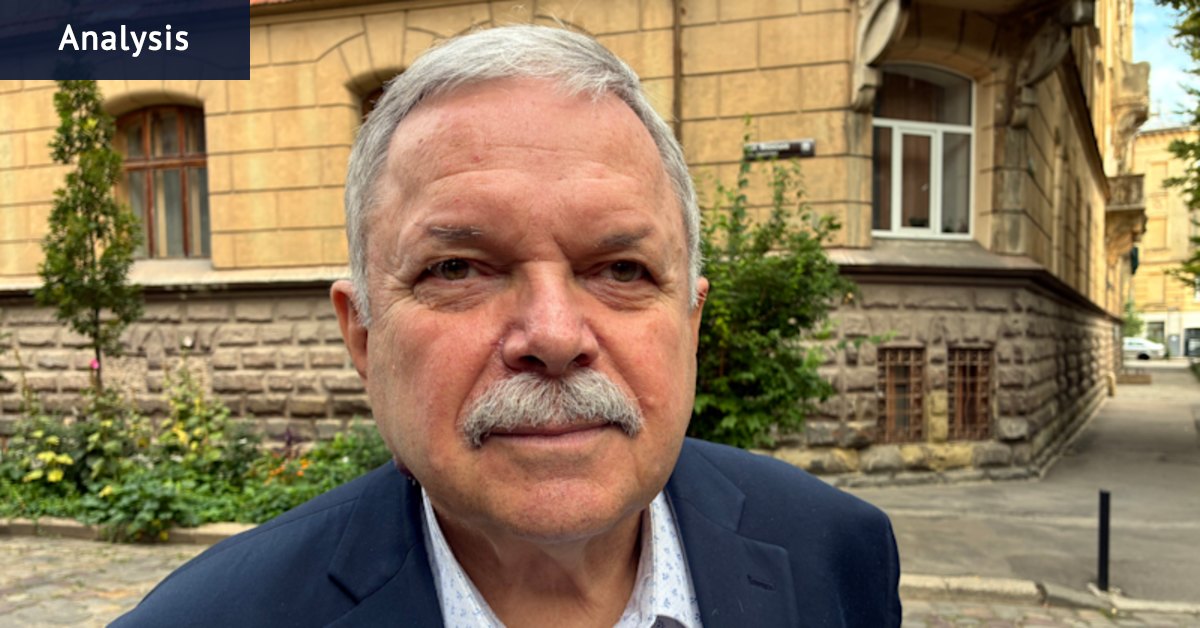
Watching from Europe, I have been thinking about how Russia chose to redraw maps at Yalta and seeks to do the same today. And that, in turn, has taken me back to a conversation I had in Ukraine not long ago with someone who survived Russian totalitarianism and imperialism by cutting timber in a frozen Soviet labour camp.
Myroslav Marynovych was 28 when he heard a knock on the door early one morning in the Kyiv apartment where he was staying with his sister. When she asked who it was, a man replied that he was delivering a telegram. When she opened the door, she found 20 KGB agents ready to search the home.
“And that was that,” Marynovych told me when we met for coffee in Lviv. It was April 1977, he said, and he was not surprised to be arrested. He had signed a letter with fellow dissidents that year and knew he risked detention. He had a record of speaking out against communism and had been questioned by the KGB three years before. His sentence, when it came in March 1978, was to be sent to the gulags.
The iconic account of the camps, The Gulag Archipelago, seems like ancient history because Aleksandr Solzhenitsyn began the book in 1958 and saw it published in 1973. In fact, the lessons from the gulags still resonate today. Survivors such as Marynovych have a rare perspective on Russia then and now.
What motivated him to speak out? “The main reason why I joined the dissident movement was to oppose the unbearable lies,” he said. “I couldn’t survive in such an environment, and so we spoke truth. That was our main crime.”
Marynovych believes…
Seen…
Inicio del artículo, extracto de The Age. Para leer el resto, abra el artículo en el sitio del medio.
MarketNews muestra el titular y el resumen publicados por el medio. El artículo completo se lee en el sitio del editor. (www.theage.com.au)