Asean’s high-tech push risks deepening imported fuel dependence, analyst warns

Resumen detallado
Ahead of United States President Donald Trump’s expected arrival in Manila on Tuesday, Asean’s industrial ambitions and fuel-stockpiling plans put the spotlight on energy security as COP31 promotes electrification.
Southeast Asia’s drive to attract semiconductor plants, data centres and other advanced industries could deepen its dependence on imported fuels unless governments and their partners expand domestic electricity grids, storage and renewable generation, an energy policy analyst has warned.
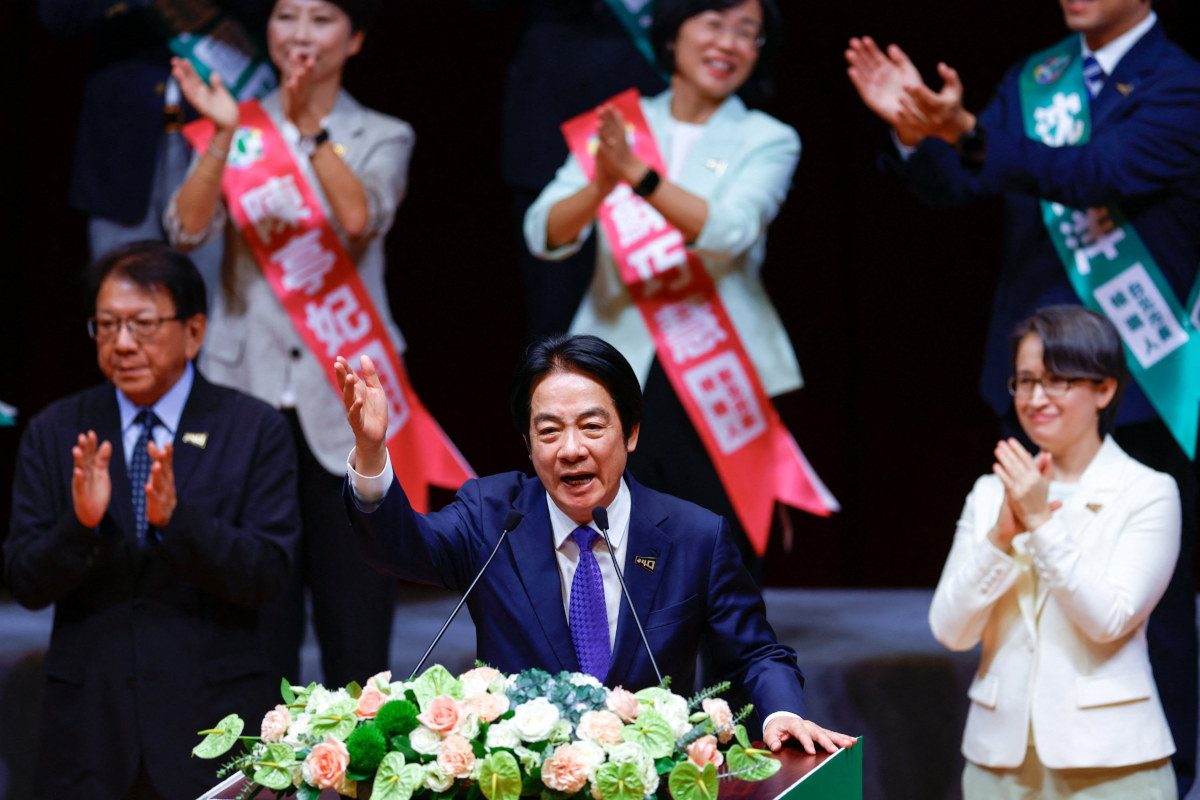
The warning comes ahead of US President Donald Trump’s expected arrival in Manila on 17 November for the Association of Southeast Asian Nations (Asean)-United States Special Summit. Philippine President Ferdinand Marcos, Jr is scheduled to hold bilateral talks with Trump during the visit.
“For high-tech industries, the binding constraint will be reliability, which depends on the grid. Domestic transmission, distribution and storage need to grow alongside renewable generation,” Noriaki Oba, Energy Analyst of think tank Post-Oil Strategy Research Institute, told Eco-Business.
“Otherwise new demand, such as data centres, will be met by whatever is quickest to build, which often means imported gas or coal.”
The 49th (Asean) Summit and Related Summits, taking place from 15 to 17 November, coincide with COP31 in Antalya, Türkiye. Electrification and the transition away from fossil fuels featured prominently at the COP31 Leaders’ Summit, where countries endorsed the presidency’s ‘35-by-35’ pledge.
The voluntary pledge seeks to increase electricity’s share of global final energy consumption to 35 per cent by 2035, supported by stronger grids, storage and financing. It links electrification to renewable energy expansion but does not specify a minimum clean electricity share, leaving countries to determine their pathways.
For Asean, those choices will be shaped in part by efforts to attract advanced industries – and how governments plan to power them.
Malaysia is seeking investment in higher-value semiconductor activities, while Indonesia has opened an electric vehicle battery-cell plant and is pursuing integrated nickel-to-battery production.
These national ambitions are also informing regional…
Inicio del artículo, extracto de Eco-Business. Para leer el resto, abra el artículo en el sitio del medio.
MarketNews muestra el titular y el resumen publicados por el medio. El artículo completo se lee en el sitio del editor. (www.eco-business.com)