There is no going back 'to the way it was before' the Iran war's energy shock, IEA says
Resumen detallado
The world’s largest energy shock in history and growing climate change concerns this year are reshaping the future of how people will power homes, drive cars and fuel industries,…
The world’s largest energy shock in history and growing climate change concerns this year are reshaping the future of how people will power homes, drive cars and fuel industries, according to an International Energy Agency report released Thursday.
The energy crisis, triggered by the Iran war, will “leave lasting marks” on the world’s energy sector, according to the Paris-based IEA, founded after the 1973-74 energy crisis.
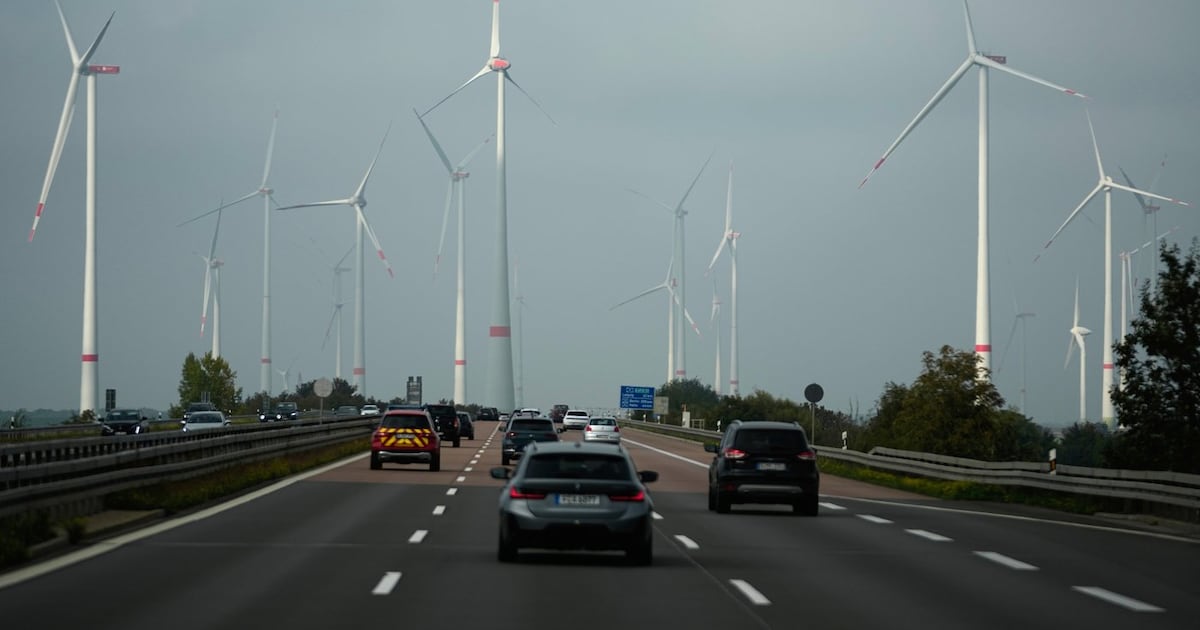
Energy-hungry nations will prioritize the security and affordability of their electricity, the report said. This is a boon for renewable technologies, like solar, and alternative technologies, like nuclear. But it is also reinforcing the case to keep coal as a backup in times of crisis.
This is especially true in coal-rich Asia, which went into energy triage when the Iran war cut off the Strait of Hormuz, a narrow passageway where around a fifth of the world’s traded oil typically flows.
The report looks “past the current turmoil to explore the range of energy futures that could emerge from today’s upheaval,” said IEA Executive Director Fatih Birol. He said the Iran war “delivered a huge shock to the system” and warned “the longer the crisis lasts, the deeper the effects will be.”
“I don’t see any credible pathway for the energy world to return to the way it was before,” he said.
Annual United Nations climate talks, known as COP31 and hosted in Turkiye this year, are in their second and final week. Before these negotiations, the UN announced the world is dangerously close to missing its goal of limiting global warming to 1.5 degrees Celsius (2.7 degrees Fahrenheit) above pre-industrial temperatures.
Electrification — the process of powering homes, cars and industries with electricity — and moving away from planet-warming fossil fuels are the two big ticket issues at this year’s climate talks.
“The future of the energy system and our climate are inextricably intertwined,” said Rachel Cleetus, climate program director at the Union of Concerned Scientists…
Inicio del artículo, extracto de BNN Bloomberg. Para leer el resto, abra el artículo en el sitio del medio.
MarketNews muestra el titular y el resumen publicados por el medio. El artículo completo se lee en el sitio del editor. (www.bnnbloomberg.ca)