Canada’s Supreme Court upholds Quebec’s religious-symbols ban
Resumen detallado
The law, first of its kind in North America, bars most public-sector employees from wearing religious symbols, such as the hijab, the kippah, while on the job | World News
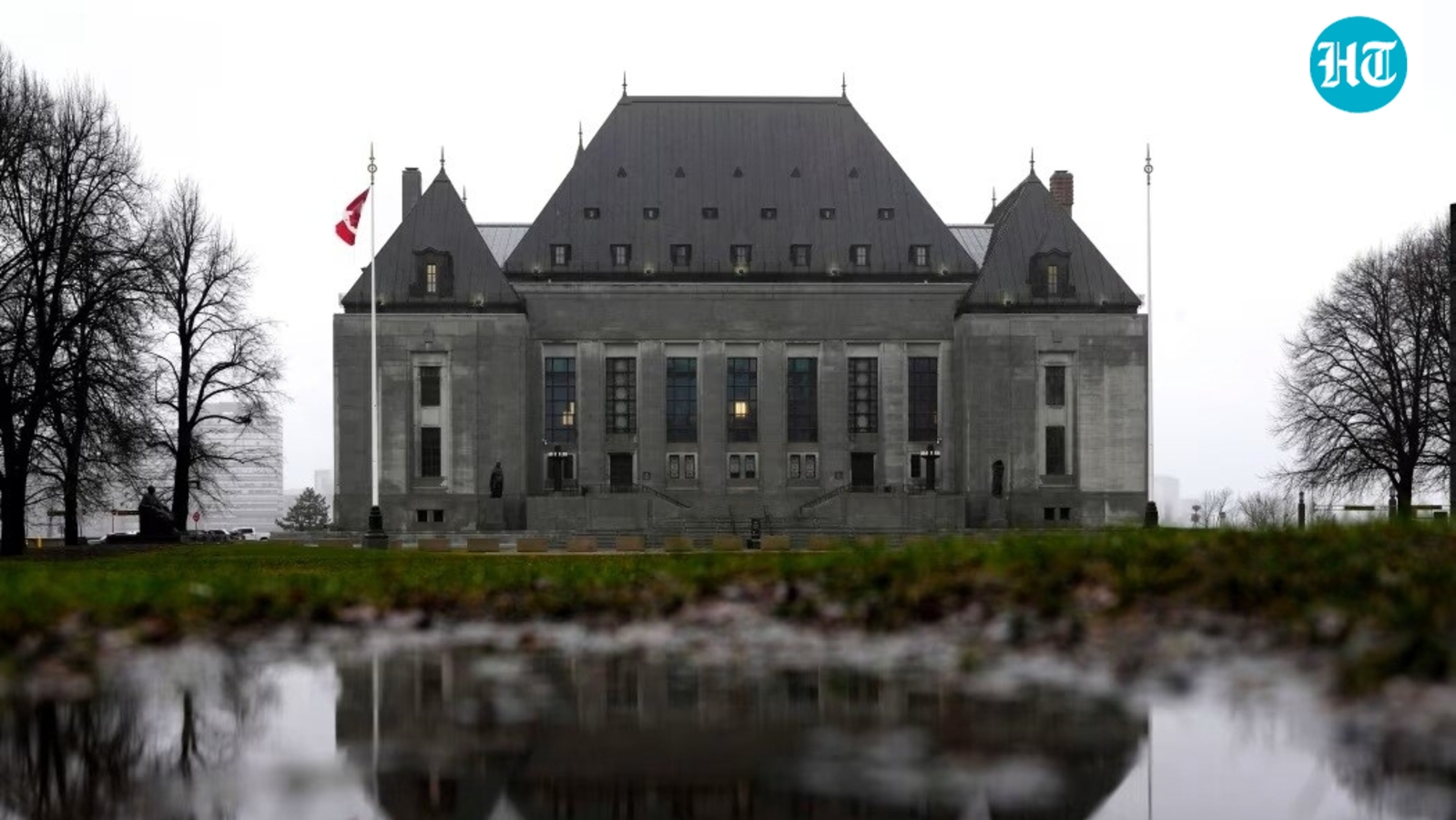
TORONTO—Canada’s Supreme Court on Friday largely upheld a Quebec law that bars public–sector employees from wearing religious symbols while on the job, in a closely watched case that stirred debate over freedom of expression and religion.
The 2019 law, known as Bill 21, is the first of its kind in North America and has been a lightning rod for controversy. Its backers argue that it doesn’t target any one religion and is necessary to enshrine the religious neutrality of the state—or laicity—in a province where the Catholic Church once wielded an iron grip over most aspects of life, including healthcare and education.
Its opponents contend that barring police officers, teachers and judges among others from wearing symbols of their faith, such as hijabs, crucifixes, turbans and kippahs, is discriminatory and violates equality and freedom of expression and religious rights.
The law has stirred protests in Quebec and a broader debate about whether there should be limits on the use of the so-called notwithstanding clause, a provision in Canada’s constitution that allows governments to override some rights, including freedom of religion and expression, for renewable periods of five years.
In its decision, Canada’s top court said that the “stigmatizing and deleterious effects” of the law on those most affected—which it identified as Muslim women—shouldn’t be underestimated. Opponents of the law have argued that it impacts Muslim women disproportionately because many of them are teachers.
But the court found that the Quebec government validly used the notwithstanding clause when it passed the law, shielding it from legal challenges. “In short, Bill 21 is rooted in Quebec’s legitimate and historical commitment to ensuring the laicity of the state in a free and democratic society,” Chief Justice Richard Wagner wrote in the 520-page decision.
The court rejected most arguments that the law violates constitutional rights that aren’t covered by the notwithstanding clause, including…
The…
Inicio del artículo, extracto de Hindustan Times. Para leer el resto, abra el artículo en el sitio del medio.
MarketNews muestra el titular y el resumen publicados por el medio. El artículo completo se lee en el sitio del editor. (www.hindustantimes.com)