America keeps forgetting what the Holodomor taught us about Russia
Resumen detallado
One can hardly imagine a more agonizing way to die or a more cruel act than to deliberately and knowingly starve millions of people. Women. Children. The elderly. This is what Moscow did to Ukraine nearly a century ago for daring to dream of independence. Today, as evidence of Russia's eliminationist objectives and unspeakable war crimes mounts, many still tread carefully around the "G" word.
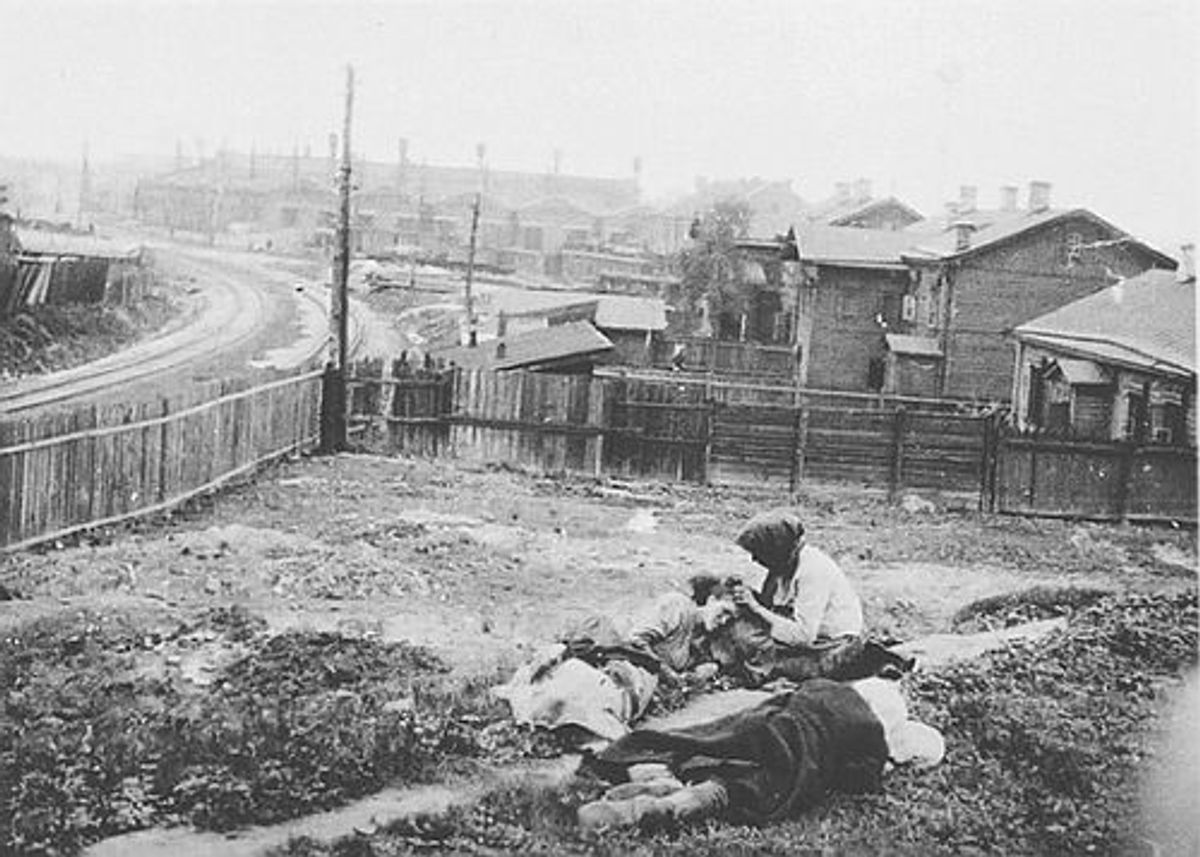
People suffer from starvation during the Holodomor, a famine imposed by Soviet authorities, left millions of Ukrainians dead in Soviet Ukraine in 1932–1933. (Alexander Wienerberger)
One can hardly imagine a more agonizing way to die or a more cruel act than to deliberately and knowingly starve millions of people. Women. Children. The elderly.
This is what Moscow did to Ukraine nearly a century ago for daring to dream of independence.
Today, as evidence of Russia's eliminationist objectives and unspeakable war crimes mounts, many still tread carefully around the "G" word. Raphael Lemkin, the very man who coined the term, described Moscow's attempt to erase the Ukrainian nation in 1932–33 as "the classic example" of genocide.
Every November, as Americans gather around their Thanksgiving tables, Ukrainians around the world light candles in remembrance of the Holodomor, which claimed the lives of more than one in eight inhabitants of their native, beloved land.
Following the collapse of the tsarist empire in 1917, Ukraine declared independence in January 1918.
The Russian Bolsheviks rode in on the white horse of proletarian emancipation, promising a better world free of oppression and suffering, pointing their sanctimonious finger at Western imperialism as the root of all evil. In the same breath, these self-proclaimed liberators asserted Moscow's right to subjugate, oppress, and murder anyone they could get their bloodstained hands on. Ukrainians included.
By 1922, through war and mass violence, Moscow had reconquered much of its former imperial domain. Then as now, Russia liberates its neighbors by occupying them, saves the lives of its "brothers" by murdering them in cold blood, and brings prosperity through plunder and exploitation.
At school, we were taught about the famine through the prism of the oh-so-righteous "class struggle." Peasants who resisted collectivization were enemies of progress. Враги народа, or "enemies of the people," to borrow Stalin's phrase.
Inicio del artículo, extracto de The Kyiv Independent. Para leer el resto, abra el artículo en el sitio del medio.
MarketNews muestra el titular y el resumen publicados por el medio. El artículo completo se lee en el sitio del editor. (kyivindependent.com)