El Niño Is Strengthening. Here’s Where Its Effects Are Already Showing Up

Resumen detallado
Warming in the Pacific is easing weather risks in some places but making them worse in others. Here’s what to look for now and in the weeks ahead.
The National Weather Service’s Climate Prediction Center sent out an advisory Monday that El Niño continues to strengthen as forecasters record ocean warming and atmospheric disruptions globally.
“Chances for a historic event exceeding previous El Niños dating back to 1950 … are now ~60%,” it said.
In an update on a weekly report from Nov. 12, the advisory showed more than a 79% chance of remaining strong to very strong through January–March 2027. The impacts of the event, however, are already present across the globe with above average temperatures and atmospheric anomalies over parts of the eastern Pacific Ocean.
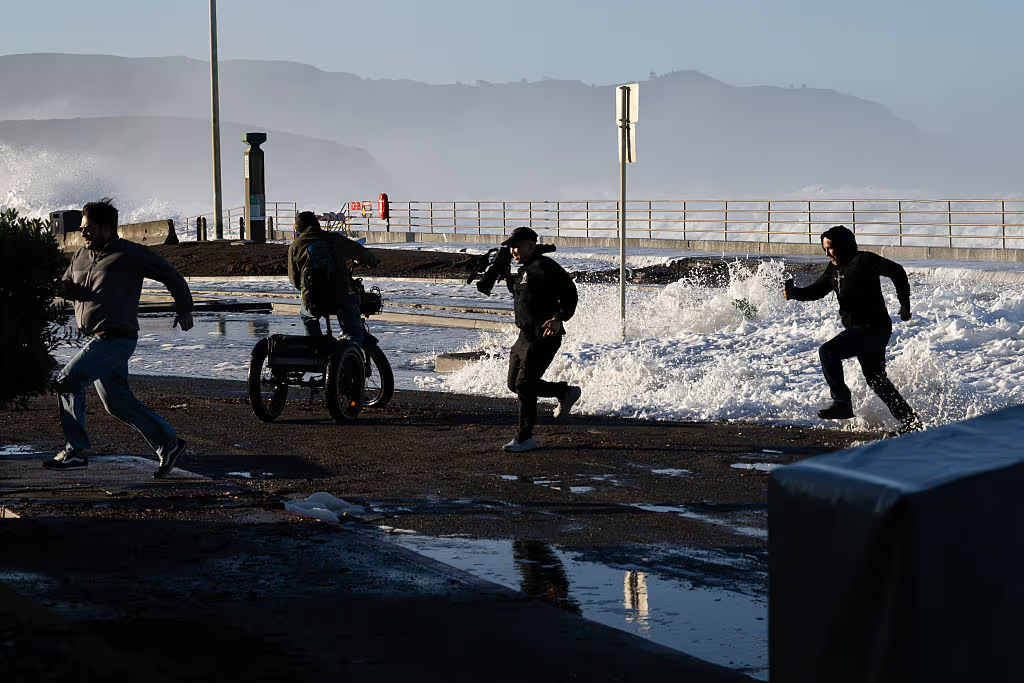
The advisory comes as Thanksgiving week brings heavy rain, coastal flooding, and mountain snow to both coasts, elevating flood risks in California and Florida.
El Niño refers to the warm phase of the El Niño-Southern Oscillation (ENSO) cycle, and it occurs every two to seven years when surface waters in the eastern and central tropical Pacific become unusually warm, reaching at least 0.5 degrees Celsius above average.
This ocean heat is released eventually into the atmosphere, and influences atmospheric circulation, temperatures, precipitation and other weather events around the globe.
Though the phenomenon is relatively common, this year’s El Niño has earned headlines for being among the strongest of its kind on record, partially because it's arriving on top of an ocean that is already warmer than it used to be.
Andrew Kruczkiewicz, senior researcher at the International Research Institute for Climate and Society at Columbia University, tells TIME that the effects of El Niño are region-dependent—which is why it is both associated with warmer, drier winters in the North, and wetter winters in the South, ice storms across the southern Plains.
“The impacts from El Nino across the U.S. are not uniform—El Nino does not lead to everyone seeing above average temperatures for winter or everybody seeing above average rainfall or everybody seeing below average rainfall,”…
Inicio del artículo, extracto de Time. Para leer el resto, abra el artículo en el sitio del medio.
MarketNews muestra el titular y el resumen publicados por el medio. El artículo completo se lee en el sitio del editor. (time.com)