New US tariffs: Limited near-term impact on Singapore, but analysts warn of lasting trade barriers
Resumen detallado
Analysts noted that the tariff rate is not final and there is genuine room for negotiation with the US. They also pointed to exclusions for some products that may apply.
Analysts noted that the tariff rate is not final and there is genuine room for negotiation with the US. They also pointed to exclusions for some products that may apply.
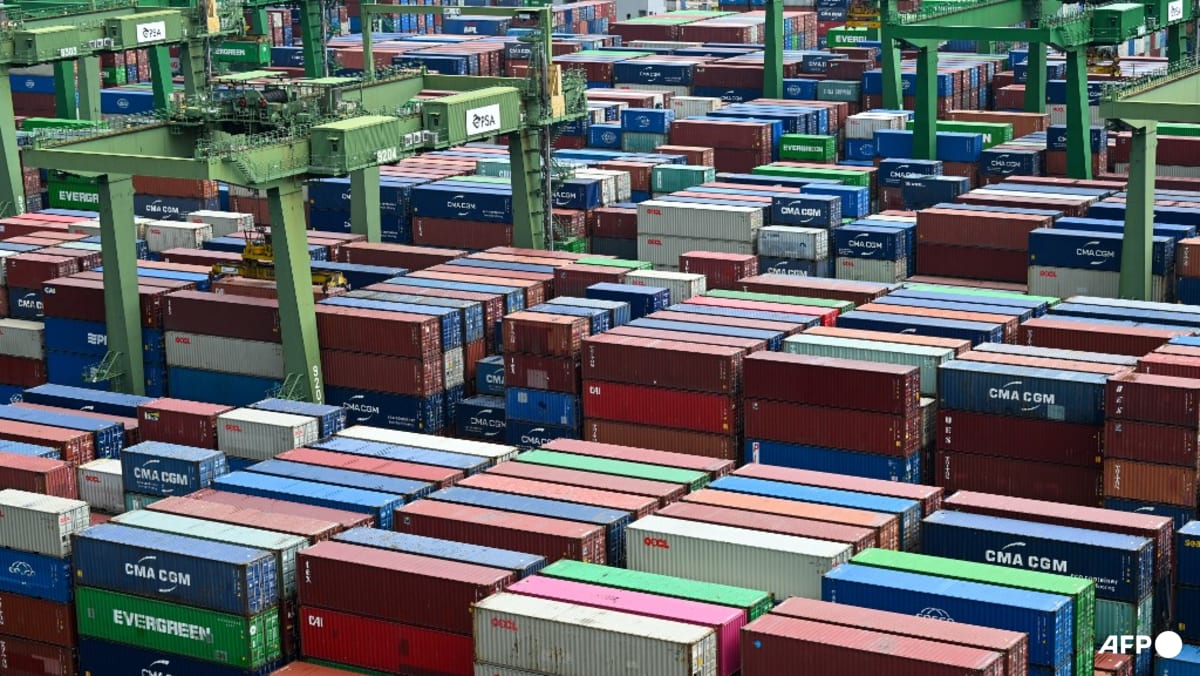
SINGAPORE: While the immediate hit from proposed United States tariffs may be limited, analysts warn that the move could signal a deeper shift toward higher trade barriers in the global economy, which could hurt small, open economies like Singapore over time.
Their comments come after the Office of the United States Trade Representative (USTR) on Wednesday (Nov 25) proposed a maximum potential tariff rate of 20 per cent, net of existing Section 301 tariffs, on Singapore's exports to the US – alongside similar actions targeting 13 other markets including China, Malaysia, Vietnam and Japan.
But analysts stressed that the 20 per cent tariff on Singapore is a proposal that is still subject to public consultation.
"This is still a proposed measure rather than a done deal," said Ms Selena Ling, chief economist at OCBC, who added that she would not overstate the macroeconomic impact for this reason.
The bigger question is whether higher tariffs and trade barriers are becoming a more permanent feature of the global economy.
"More broadly, it is another reminder that even comprehensive trade agreements cannot entirely insulate countries from a more interventionist global trade environment," she said.
As a major trade, logistics and financial hub, anything that slows regional trade and investment in the global environment will eventually “wash back” onto Singapore, said Ms Ling.
Businesses would have to adjust to the new normal of prolonged policy uncertainty by reorganising supply chains around tariffs, national-security considerations and competing economic blocs, which reduces efficiency.
Inicio del artículo, extracto de CNA. Para leer el resto, abra el artículo en el sitio del medio.
MarketNews muestra el titular y el resumen publicados por el medio. El artículo completo se lee en el sitio del editor. (www.channelnewsasia.com)