‘We have no money.’ Iran’s president admits U.S. economic warfare is far more difficult than destruction caused by missiles
Resumen detallado
“We are engaged in a silent war that is far more difficult than one in which missiles are launched and destruction is caused.”
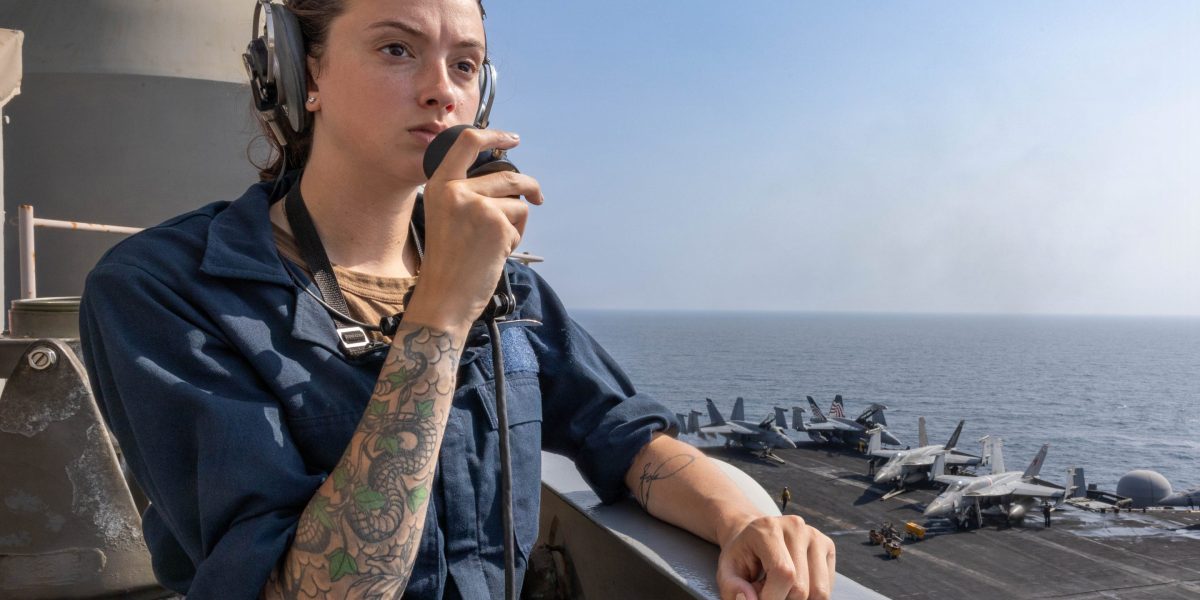
The U.S. naval blockade against Iran has been in place for 137 consecutive days, and Tehran said it’s been worse than major combat operations.
During the blockade, Iran hasn’t been able to export oil, depriving the regime of its top source of revenue and foreign currency. Imports have also been kept out, and the U.S. has recently started cracking down on trade via land routes.
With no cash coming in, the Iranian government has slashed subsidies for food, fuel and electricity, while state workers and pensioners have gone unpaid. At the same time, consumers have suffered under inflation nearing 90% as the currency plunges to fresh lows, hitting 2.99 million rials per dollar.
“We have no money,” President Masoud Pezeshkian said on national television recently, according to the Wall Street Journal.
“We are engaged in a silent war that is far more difficult than one in which missiles are launched and destruction is caused,” he added. “It is an economic war, one that you, as those working on the economic front, are dealing with. It is by no means an easy one.”
The Islamic Republic is also rationing power and other resources. The state electricity company has begun rolling blackouts, and Tehran cut supplies of cheap flour and bread in seven of Iran’s 31 provinces.
The head of the Iranian Parliament’s economic commission warned of fuel and heating shortages this winter, citing damage to the country’s energy infrastructure during the war.
Even state-backed media can’t avoid the economic crisis. Nour News, a website affiliated with Iran’s Supreme National Security Council, reported bakers in Iran’s western Zanjan province and other areas staged protests over flour shortages.
Retirees and labor unions have protested as well, including with anti-regime slogans. And after 13 petrochemical plant workers were killed in an accident in Iran’s western oil fields, unionists blamed austerity measures and political repression.
Inicio del artículo, extracto de Fortune. Para leer el resto, abra el artículo en el sitio del medio.
MarketNews muestra el titular y el resumen publicados por el medio. El artículo completo se lee en el sitio del editor. (fortune.com)