US arrears leave chemical weapons watchdog facing budget crisis
Resumen detallado
THE HAGUE, Nov 23 - The world's chemical weapons watchdog is facing a budget crisis, largely because of missing payments from the United States, and may have to pause work destroying banned munitions in Syria, according to the agency's new head and an internal document. Read more at straitstimes.com.
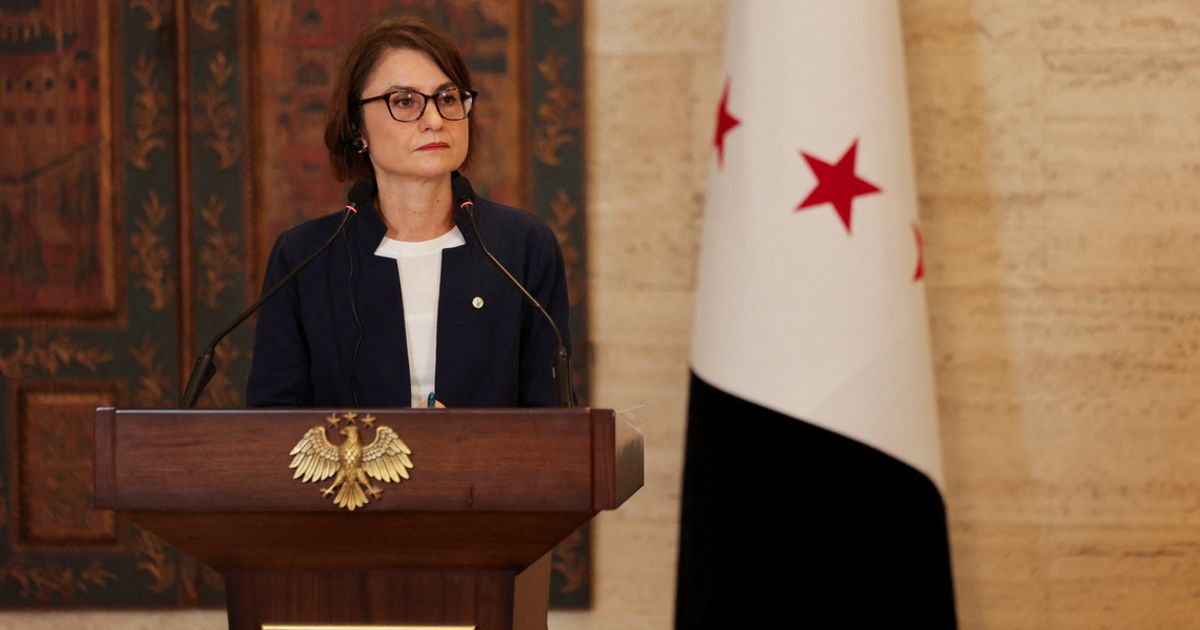
Director-General of the Organisation for the Prohibition of Chemical Weapons (OPCW) Sabrina Dallafior attends a joint press conference with Syrian Foreign Minister Asaad al-Shaibani (not pictured) at Tishreen Palace in Damascus, Syria, October 13, 2026. REUTERS/Khalil Ashawi
THE HAGUE, Nov 23 - The world's chemical weapons watchdog is facing a budget crisis, largely because of missing payments from the United States, and may have to pause work destroying banned munitions in Syria, according to the agency's new head and an internal document.
The Organisation for the Prohibition of Chemical Weapons was in a "precarious situation", missing a quarter of its annual €83 million ($91 million) budget, Director-General Sabrina Dallafior told member states in The Hague on Monday.
"In recent weeks, the financial challenge has become particularly acute, with the OPCW’s largest payer having thus far not made its full 2026 assessed contribution payment to the organisation," Dallafior said in an email sent to staff late on Friday.
She said operational activities would be paused in December to take stock and revise plans for 2027, including "activities partly funded through voluntary contributions, including capacity-building activities and deployments to Syria."
Dallafior did not name the United States, but Washington has long been by far the biggest donor to the independent agency. Two other sources with knowledge of the matter said the United States had not paid its full dues.
The US embassy in The Hague did not immediately respond to requests for comment.
The Trump administration has also cut funding to some UN bodies and left many commitments unpaid, demanding reforms and accusing the global body of waste, inefficiency and failing to fulfil its potential to broker peace deals.
The OPCW won the Nobel Peace Prize in 2013 for its work eliminating deadly stockpiles in Syria and other countries.
Inicio del artículo, extracto de The Straits Times. Para leer el resto, abra el artículo en el sitio del medio.
MarketNews muestra el titular y el resumen publicados por el medio. El artículo completo se lee en el sitio del editor. (www.straitstimes.com)