Taliban forest patrols crack down on illegal logging to protect against flooding in Afghanistan
Resumen detallado
A police unit in eastern Afghanistan is patrolling to protect the country's last remaining forests
A police unit in eastern Afghanistan is patrolling to protect the country's last remaining forests
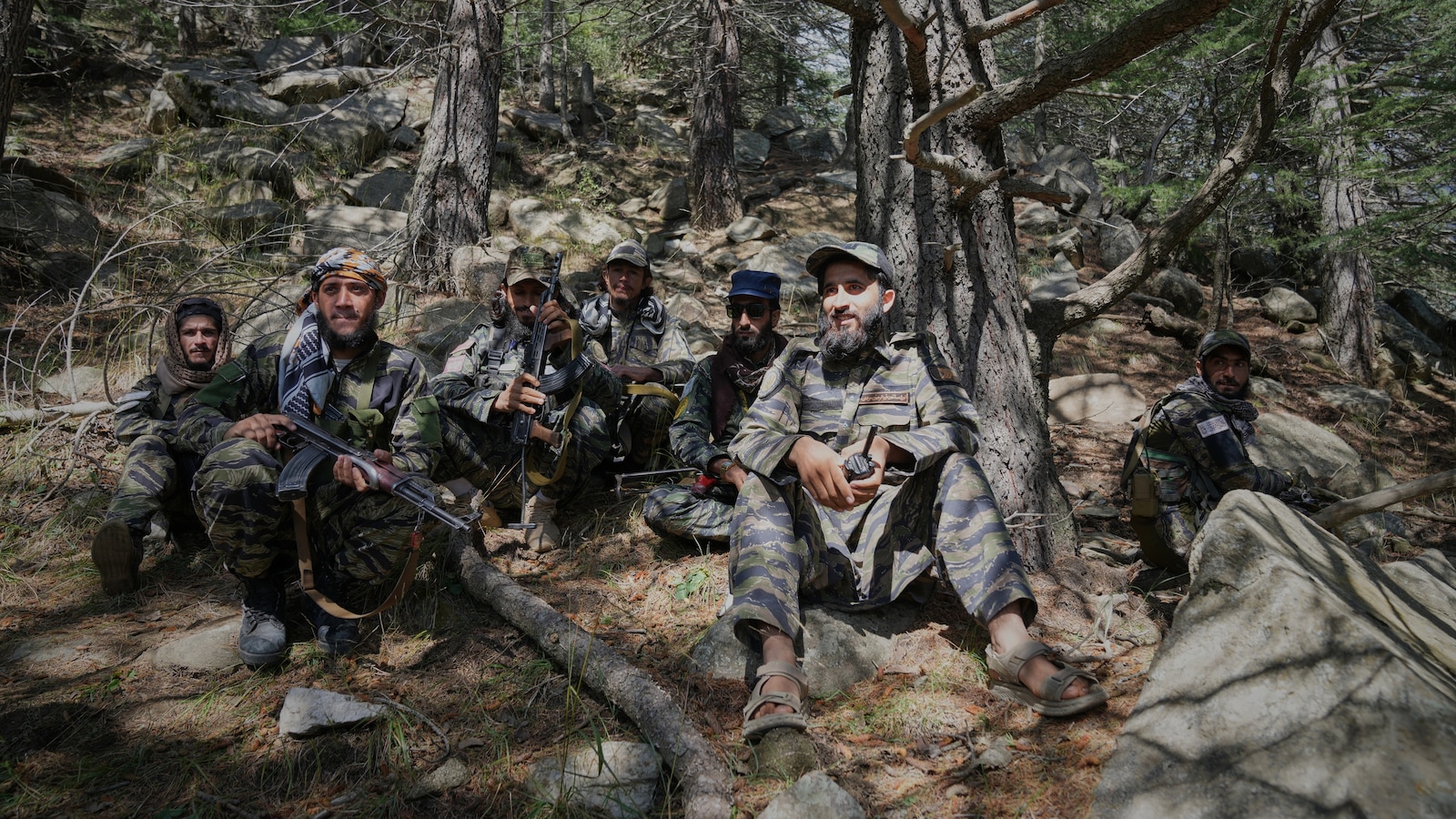
CHALAS, Afghanistan -- Deep in the mountains of eastern Afghanistan, a police unit is on patrol. In military fatigues and with automatic rifles slung over their shoulders, the men clamber up steep slopes and trek through deep ravines for days.
They belong to the Green Units, a special task force established by the Taliban government to safeguard Afghanistan’s last remaining forests.
From the air, vast swaths of land appear devoid of vegetation. Ridge after barren ridge, Afghanistan’s mountains stretch into the distance, hues of brown unbroken by any hint of green. Four decades of war, climate change, uncontrolled logging and timber smuggling have decimated its forests, sometimes resulting in deadly flooding and landslides.
The most severe deforestation occurred between the Soviet invasion in 1979 and the fall of the first Taliban regime in 2001, when Afghanistan lost an estimated 50% of its forests, said Mohammad Nasir Shalizi, research assistant professor at North Carolina State University’s Department of Forestry and Wildlife Resources.
Much of that was due to illegal logging and timber smuggling, particularly of high-value oak, cedar and other conifers in the eastern provinces, while war, fires and a heavy reliance on wood for heating, cooking and construction also played a part, according to the U.N. Food and Agriculture Organization. Climate change, agricultural growth, construction and mining also contributed.
Centuries ago, forests covered about 5% of what is now Afghanistan, while woodland dominated by pistachios, almonds and junipers covered around 33%, the FAO said. Currently, forests and shrubland account for just 2.8%.
Afghanistan is among the nations most vulnerable to climate change caused mainly by the burning of gas and oil, and among the least prepared to adapt, according to the U.N.
Afghan officials were invited to attend the U.N.’s climate summit, COP31 in…
Inicio del artículo, extracto de ABC News. Para leer el resto, abra el artículo en el sitio del medio.
MarketNews muestra el titular y el resumen publicados por el medio. El artículo completo se lee en el sitio del editor. (abcnews.com)