Did China’s ‘beauty stratagem’ find a new victim in Jensen Huang?
Resumen detallado
Extramarital activities have led to the resignation of one of America’s most influential tech bosses, Nvidia CEO Jensen Huang. The saga has also raised the specter of an age-old…
Extramarital activities have led to the resignation of one of America’s most influential tech bosses, Nvidia CEO Jensen Huang. The saga has also raised the specter of an age-old spying tactic: the “honey trap.”
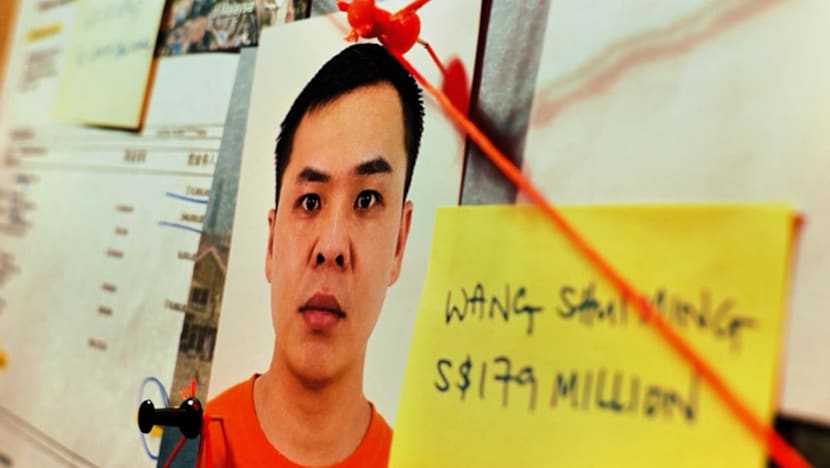
Huang stepped down following media reports of an extramarital relationship with Alice Huang, a Singapore-based executive suspected of having ties to Chinese intelligence agencies. She previously worked for Megaspeed, a cloud computing company under US scrutiny for allegedly helping China obtain restricted AI chips.
Jensen Huang acknowledged an affair. And amid reports of a second with a company executive who reports to him, he tendered his resignation to the Nvidia board on Nov. 12, 2026.
The sensitivity of Huang’s work – AI is increasingly seen as central to national security – has turned a company matter into an international issue.
China’s Foreign Ministry has denied the espionage allegations and accused the US of “fabricating so-called spy narratives and using them as a pretext for imposing a technological blockade.” Nvidia says it has no reason to believe company secrets have been leaked.
Yet part of what makes the accusations so believable is history is dotted with examples of men being distracted, compromised or spied on by attractive men and women deployed for that purpose.
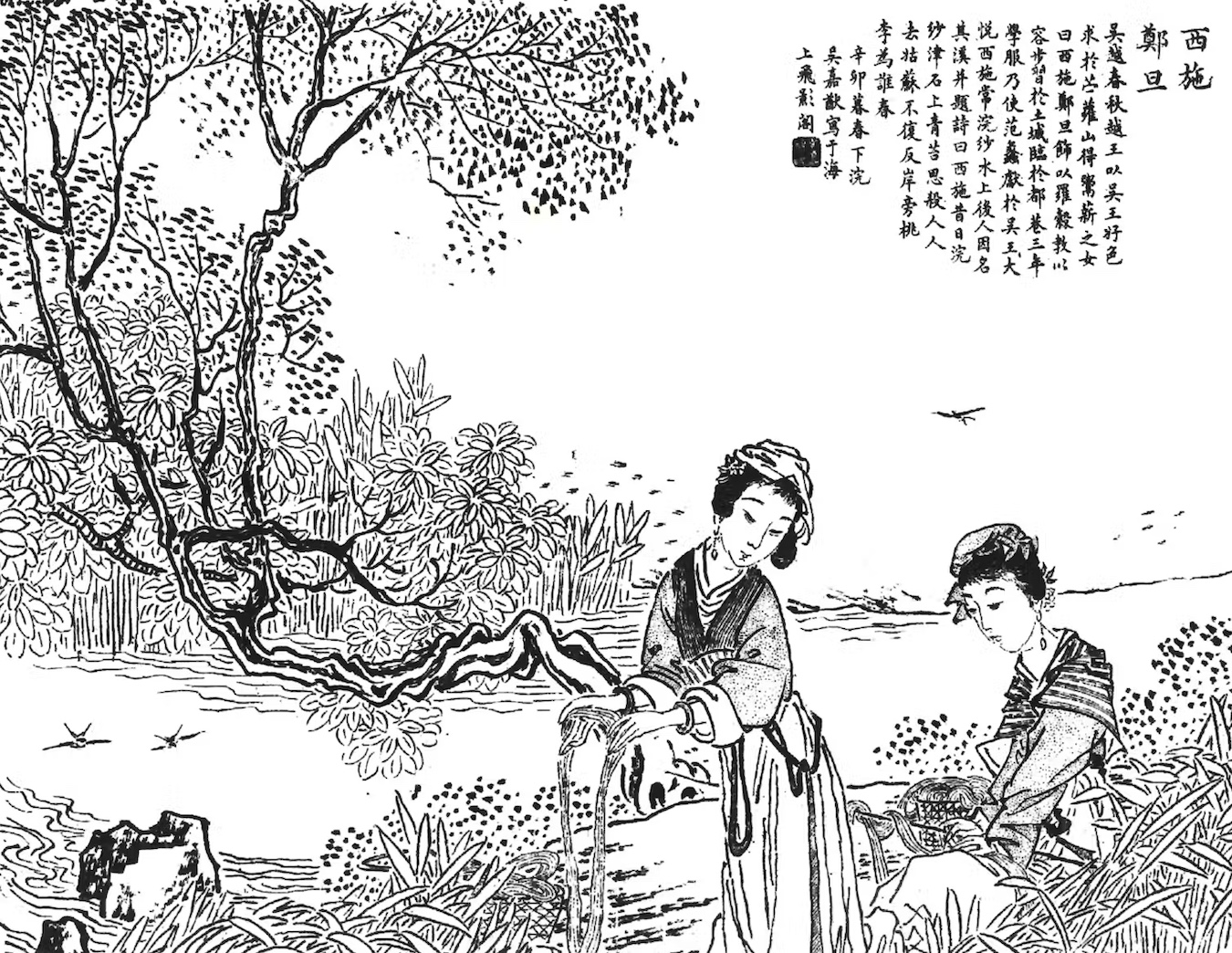
Indeed, in China it recalls an ancient political tactic known as “meiren ji” or the “beauty stratagem.”
As a scholar specializing in US-China relations, I believe that regardless of the particulars of the Huang case, the political logic behind the beauty stratagem – using personal relationships to obtain information, influence decisions and weaken opponents – remains relevant today.
As such, it would be no surprise if the tactic were being used amid the growing US-China competition over AI and advanced semiconductors.
Inicio del artículo, extracto de Asia Times. Para leer el resto, abra el artículo en el sitio del medio.
MarketNews muestra el titular y el resumen publicados por el medio. El artículo completo se lee en el sitio del editor. (asiatimes.com)