America's Aging Air Travel Infrastructure Isn't Ready for Climate-Fuelled Extreme Weather
Resumen detallado
Why outdated U.S. travel infrastructure is vulnerable to weather disruptions—from the polar vortex and El Niño to worsening turbulence as global temperatures rise.
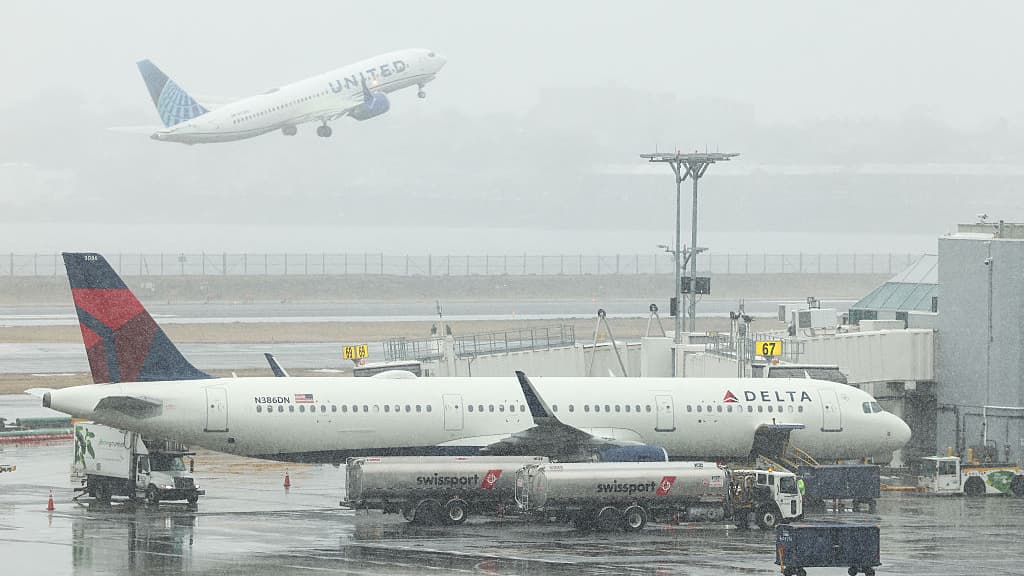
The U.S. is still reeling from a nationwide ground stop last Friday—the longest such flight stoppage in 25 years—which lasted more than four hours and resulted in more than 15,000 delayed or cancelled flights. And with Thanksgiving only a week away, the year’s busiest travel season is about to begin—bringing with it anxieties of further disruption.
While nationwide ground stops like the one seen last week are rare, severe weather conditions are the most common triggers for local ground stops. As the world reckons with what is set to be the strongest El Niño in recorded history, combined with a potential cold-snap from the polar vortex expected next week, holiday travels this year could be at risk of more weather-related delays and cancellations.
That’s in part because air traffic controllers in the U.S. are working with systems that are at least a decade older than those used by their counterparts in other countries. Last week’s incident, said Transportation Secretary Sean Duffy, was caused by equipment issues that destabilized air traffic control communication and radar systems during a routine network upgrade, exposing just how outdated the U.S.’s air traffic control systems are. “When I tell you that we're using old equipment, we're using old equipment," Duffy said during a press conference the day after the ground stop.
For the most part, the system moves along well enough day-to-day. “I like to equate it like this—it takes a hammer to do the job, but they've given the air traffic controller a screwdriver to do it,” says Tim Kiefer, professor of air traffic management at Embry-Riddle Aeronautical University. “You can make a screwdriver work and get that nail in, and while it's not going to fit as well as it should, it works good enough that [improving the system] gets kicked down the road because the air traffic controllers are able and the pilots too are able to make this system work.”
An outdated system then can become more vulnerable to disruptions, including…
Oyo…
Inicio del artículo, extracto de Time. Para leer el resto, abra el artículo en el sitio del medio.
MarketNews muestra el titular y el resumen publicados por el medio. El artículo completo se lee en el sitio del editor. (time.com)