Underground empire: China’s plan to weaponize infrastructure gear
Resumen detallado
On November 18, the day APEC leaders gathered, China quietly activated a powerful new geopolitical weapon: strict export controls on tunnel boring machines (TBMs). Two days later,…
On November 18, the day APEC leaders gathered, China quietly activated a powerful new geopolitical weapon: strict export controls on tunnel boring machines (TBMs). Two days later, a heavyweight roster of Asia-Pacific leaders skipped their flights home.
Instead of returning to their respective capitals, the leaders of Indonesia, Australia, Singapore, Malaysia, and Thailand converged on Shenzhen for intensive, extended bilateral meetings with Chinese President Xi Jinping.
Official readouts from Anadolu Agency and China Daily painted a picture of regional stabilization. Xi heralded a “full turnaround” in China-Australia relations, while Beijing and Jakarta formally launched negotiations for a Bilateral Comprehensive Economic Partnership.
But beneath these diplomatic pleasantries lies a much harder, calculated economic reality. Beijing is actively shifting its geopolitical leverage, moving away from just the digital realm to weaponize the physical foundation of developing economies.
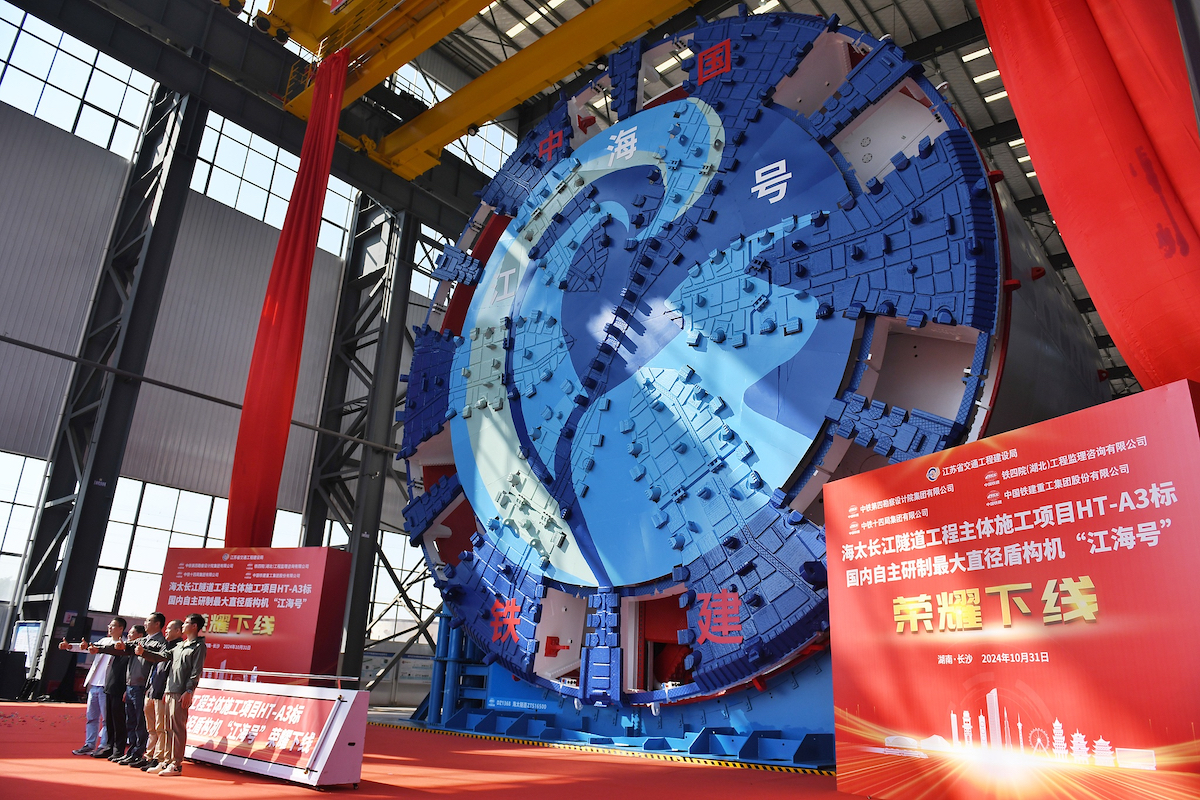
To understand this shift, look at China’s Ministry of Commerce (MOFCOM) Announcement No. 50 of 2026. This directive, which took effect mid-APEC, placed export restrictions on the mechanical leviathans that make modern urbanization possible.
For years, geopolitical discourse has centered on semiconductors, artificial intelligence, and critical minerals. In 2025, Beijing flexed its muscles by tightening controls on metal-borne magnets and rare earths.
Now, the focus has shifted. Beijing is moving from raw components to massive, finished industrial products that dominate global market share.
TBMs carve out the subway systems of Jakarta. They build the high-speed rail networks of India. They dig the subterranean arteries of Singapore and Malaysia.
And right now, China holds a near-monopoly on their production. According to data cited by the Payne Institute, Chinese manufacturers collectively account for roughly 70% of global TBM production. They churn out over 700 units annually.
Inicio del artículo, extracto de Asia Times. Para leer el resto, abra el artículo en el sitio del medio.
MarketNews muestra el titular y el resumen publicados por el medio. El artículo completo se lee en el sitio del editor. (asiatimes.com)