Why does South Korea fear the ‘second Yalta’ meeting in China?
Resumen detallado
South Koreans are concerned that Trump, Xi and Putin will agree a common approach to North Korea without consulting Seoul ...
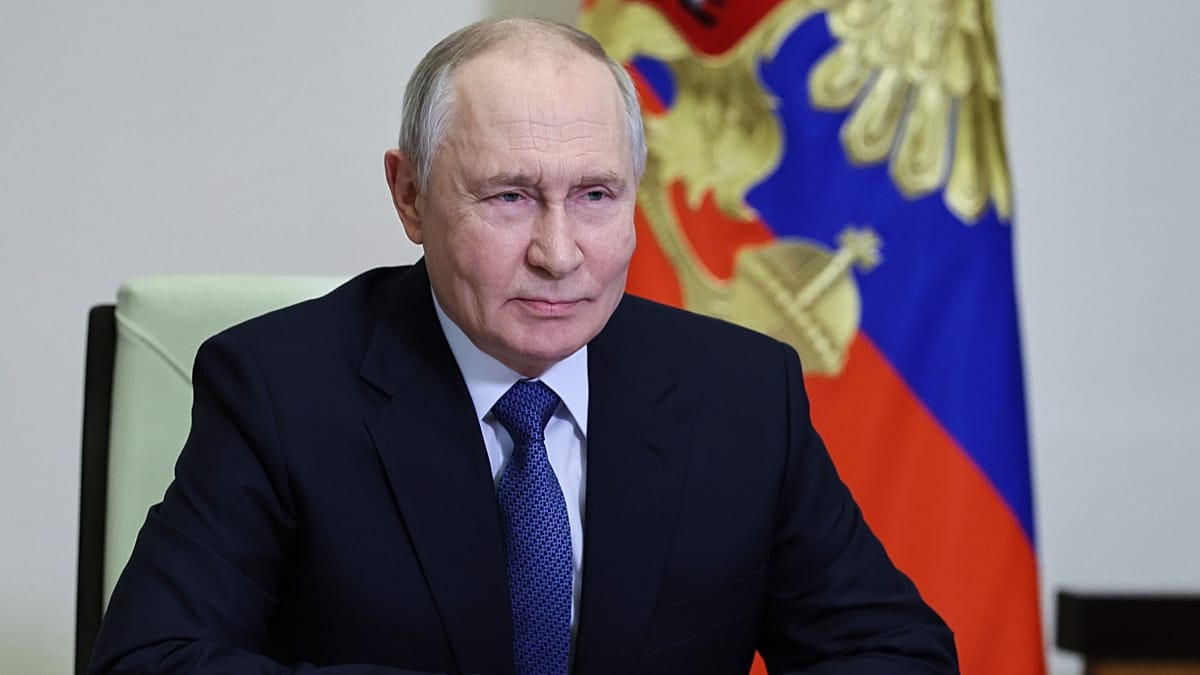
European commentators are comparing this week’s meeting between Xi Jinping, Donald Trump and Vladimir Putin to the 1945 Yalta conference between Franklin D Roosevelt, Joseph Stalin and Winston Churchill. The echo is louder in Asia.
When it became clear last week that an unprecedented, trilateral meeting between the leaders of the United States, China and Russia would go ahead in Shenzhen on Thursday, South Korea raised the alarm.
“I explicitly told my Chinese counterpart that the US-China-Russia summit should not become another Yalta Conference,” a senior South Korean foreign ministry official told reporters in Beijing.
“We have made it clear not only to the United States but also to China that our national interests concerning Korean Peninsula issues must not be compromised.”
Opposition People Power Party representative Na Kyung-won echoed that anxiety on Monday, warning that Seoul was at risk of being excluded from negotiations that could reshape the security landscape of the peninsula.
“A second Yalta conference, in which our very survival becomes a bargaining chip among major powers, is becoming a reality,” she wrote on social media.
When Roosevelt, Churchill and Stalin met in the Crimean port of Yalta in February 1945, the war in Europe was almost over and they set about agreeing a postwar global order. This saw the three leaders formalising spheres of influence and determining the fate of smaller countries without consulting them.
They agreed to dismember Germany into US, British, French and Soviet military zones and to shift the borders of Poland westwards. And although they promised free and fair elections in liberated countries, the agreement included no enforcement mechanism so the Soviet Union was allowed to determine the political future of the parts of Europe its armies occupied.
A secret protocol agreed that after Germany’s surrender, Moscow would join the war against Japan in return for a number of territorial concessions at China’s expense.
Inicio del artículo, extracto de The Irish Times. Para leer el resto, abra el artículo en el sitio del medio.
MarketNews muestra el titular y el resumen publicados por el medio. El artículo completo se lee en el sitio del editor. (www.irishtimes.com)