Iraq, Turkey, Pakistan Defy US Pressure, Refuse To Seal Borders With Iran
Resumen detallado
Iraq, Turkey, Pakistan Defy US Pressure, Refuse To Seal Borders With Iran Via The CradleUS efforts to pressure Iran’s neighboring states to close their land borders have failed,…
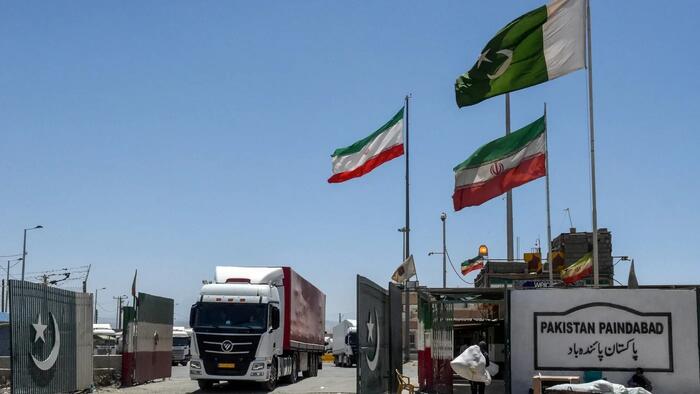
US efforts to pressure Iran’s neighboring states to close their land borders have failed, stalling Washington’s campaign to cripple the Iranian economy, the New York Times (NYT) reported this week.
According to three Iraqi officials and a US official cited by the US daily, Washington has spent weeks urging Turkey, Iraq, and Pakistan to close their border crossings with Iran.
The US military has since launched Task Force Iron Gate, a Central Command (CENTCOM) unit tasked with blocking weapons, sanctioned goods, and illicit revenue from crossing Iran’s land borders and the Caspian Sea, thereby escalating Washington’s economic war on Tehran.
Several of Iran’s neighbors have warned that cutting off trade routes vital to businesses and communities on both sides of the frontier could provoke “civil insurrection,” according to the US official.
He added that the pressure has stirred growing anger toward Washington among its allies and partners in the region.
Turkey has largely maintained its border policies, while Baghdad has rejected US calls to keep only two Iranian crossings open. It briefly sealed one or two as a concession, angering Iraqis.
Pakistan has reportedly closed and reopened several crossings in recent weeks, citing security and administrative concerns.
Ellie Geranmayeh, an Iran expert at the European Council on Foreign Relations, said Iran retains considerable economic leverage over its neighbors.
Beyond the $3 billion in annual trade with Iran, Islamabad relies heavily on Iranian fuel shipments, especially liquefied petroleum gas, while Baghdad draws more than a third of the gas that powers its electricity network from the Islamic Republic.
Inicio del artículo, extracto de ZeroHedge. Para leer el resto, abra el artículo en el sitio del medio.
MarketNews muestra el titular y el resumen publicados por el medio. El artículo completo se lee en el sitio del editor. (www.zerohedge.com)