Sarb seen holding rates for now as oil eases but could hike in 2027
Resumen detallado
Annual inflation quickened to 5.2% last month from 4.5% in September, while core prices, an indicator of whether the initial shock from elevated energy costs is spreading more broadly, rose 4.2% from 4%.
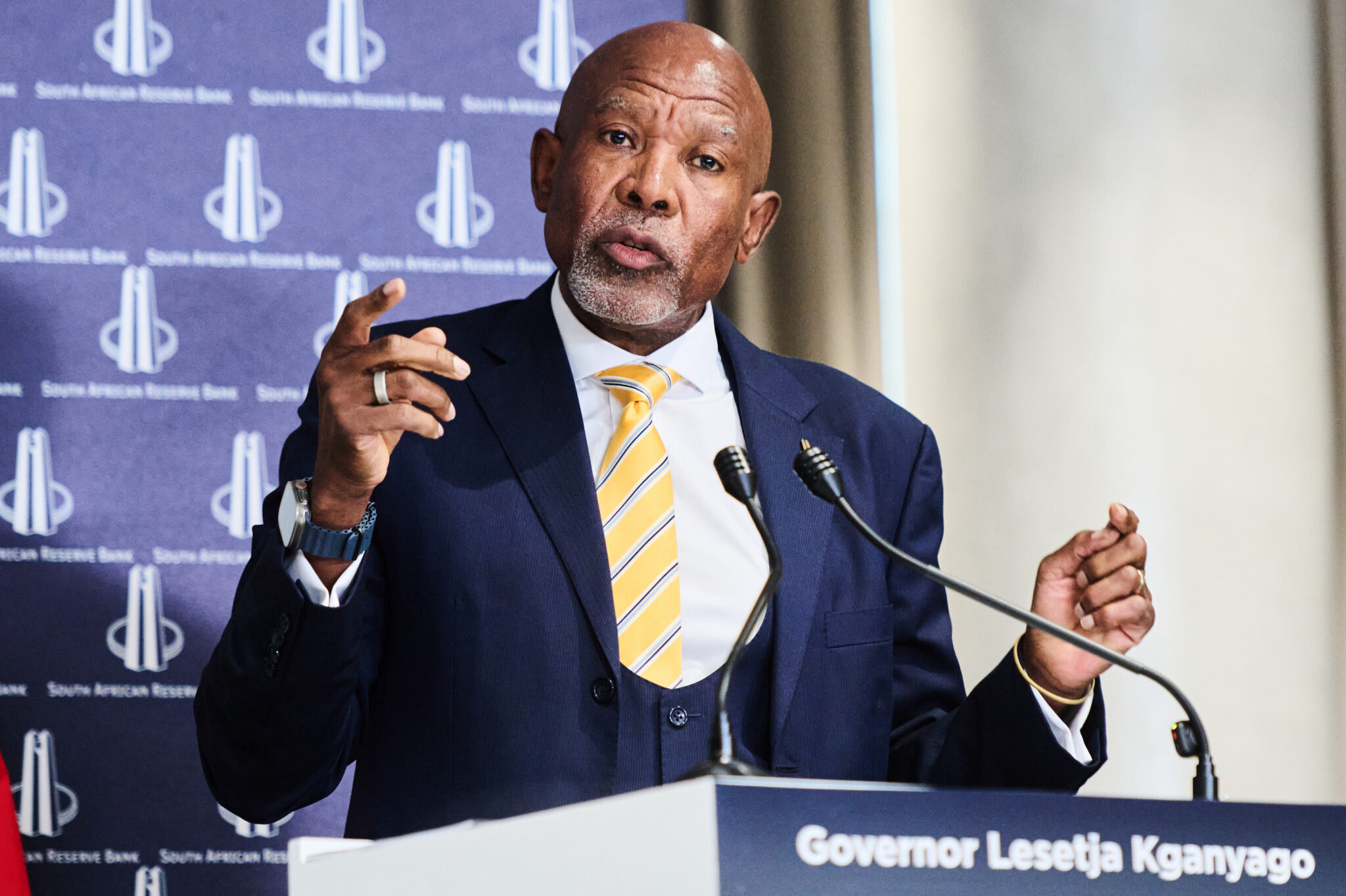
South Africa’s central bank is set to leave borrowing costs unchanged as oil prices ease and there are few signs that a recent energy-price surge is having a lasting impact on broader inflation.
All but one of 20 economists in a Bloomberg survey expect Governor Lesetja Kganyago to keep the benchmark policy rate at 7.25% when he delivers the monetary policy committee’s decision in Pretoria shortly after 3 p.m.
A pause will give policymakers time to assess the impact of two quarter-point hikes this year on bringing inflation back to their 3% goal. It will also allow them to digest the implications for the rand of expected Federal Reserve tightening and lower gold prices against oil’s retreat and recent fuel-relief measures.
“The effect of the fuel levy reduction would have been limited if the oil price was at $110 per barrel, and it’s now going to be enhanced by oil being back at around $90,” Investec Economist Tertia Jacobs said. “You’re going to see a material moderation in the fourth quarter and the first-quarter inflation trajectories.”
Annual inflation quickened to 5.2% last month from 4.5% in September, while core prices, an indicator of whether the initial shock from elevated energy costs is spreading more broadly, rose 4.2% from 4%.
Without concrete evidence of second-round effects, the bank is likely to keep rates steady, said Michael Temple, portfolio manager at Prescient Investment Management.
“As long as they can contain core inflation, as long as they can contain market inflation expectations, there’s no reason for them to hike, especially given the nature of the output gap that we’ve seen in the economy,” he said.
The output gap — a measure of how far the economy is operating below its potential — is estimated by Prescient at about 1.9%, pointing to significant slack, Temple said.
Still, Jacobs warns an interest-rate hike could be on the cards for next year because of the expected Fed tightening and renewed dollar strength.
Inicio del artículo, extracto de Moneyweb. Para leer el resto, abra el artículo en el sitio del medio.
MarketNews muestra el titular y el resumen publicados por el medio. El artículo completo se lee en el sitio del editor. (www.moneyweb.co.za)