SE Asia’s AI collision: when CAFTA 3.0 hits US cloud clock
Resumen detallado
In Manila on November 16, Chinese and ASEAN leaders confirmed that the China-ASEAN Free Trade Area (CAFTA) 3.0 upgrade protocol will formally enter into force at the start of next…
In Manila on November 16, Chinese and ASEAN leaders confirmed that the China-ASEAN Free Trade Area (CAFTA) 3.0 upgrade protocol will formally enter into force at the start of next month.
Moving far beyond tariff reductions, the pact institutionalizes cross-border alignment across digital trade, e-payments, smart customs single windows, supply-chain connectivity and artificial intelligence standards.
Yet on the same day in Washington, the US Commerce Department’s Bureau of Industry and Security (BIS) issued its interim final rule, Addressing Remote Access to Advanced Semiconductors.
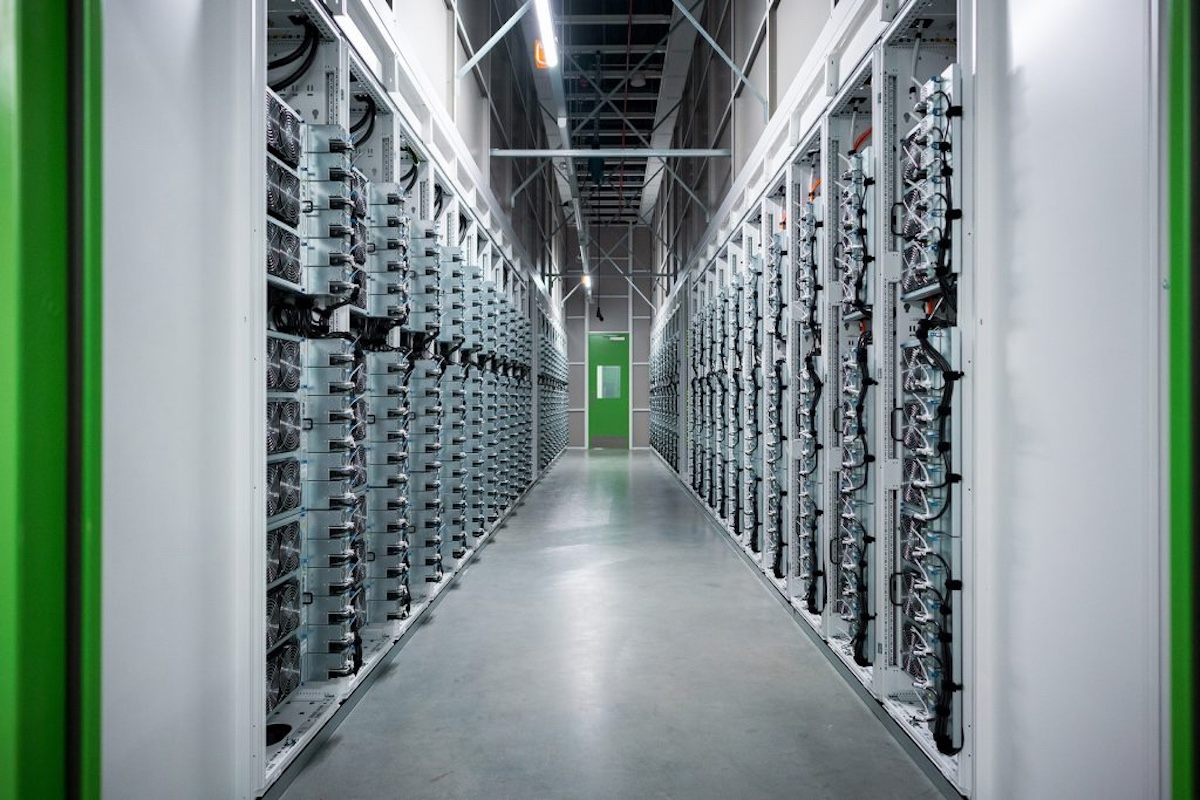
Taking effect upon its Federal Register publication on November 19, the rule places Singapore, Malaysia, Thailand and Indonesia, alongside Brazil, under strict new licensing requirements for advanced AI chips, triggering a hard 90-day compliance countdown for regional data centers providing remote compute access to Chinese-headquartered firms.
For two years, global tech-policy debates have run on parallel tracks: Washington export-control analysts prioritize closing chip diversion loopholes, while emerging-market researchers debate whether building national AI systems on Chinese open-weight foundations locks the Global South into Beijing’s governance orbit.
Few have modeled what happens when such forces intersect on the ground in Southeast Asia this winter. As CAFTA 3.0’s institutional integration collides with Washington’s extraterritorial cloud policing, ASEAN enterprises face a structural split-stack trap that exposes costly blind spots across the region.
In Washington, analysts at the Center for Strategic and International Studies and Center for a New American Security view the BIS rule as an overdue patch to the rescinded Biden-era AI diffusion framework.
By replacing tiered global quotas with targeted destination controls and a 12m aggregate processing cap across digitally linked data centers serving clients in Macau or Country Group D:5 destinations (including China and Hong Kong), BIS…
Cr…
Inicio del artículo, extracto de Asia Times. Para leer el resto, abra el artículo en el sitio del medio.
MarketNews muestra el titular y el resumen publicados por el medio. El artículo completo se lee en el sitio del editor. (asiatimes.com)