How Movies About Tech Turned Dystopian
Résumé détaillé
A slew of movies about tech villains could harm the industry's AI ambitions—or backfire spectacularly against Hollywood itself.
In 2014, a film about a prickly, arrogant inventor trying to build a “machine that can solve any problem” arrived in theaters. It explored the secretive creation of a powerful technology that enabled a group of military leaders to unilaterally determine the life and death of thousands.
From the vantage point of 2026, the story sounds unsettling, even dystopian. But The Imitation Game was actually a celebration of its protagonist, Alan Turing, and his pivotal role in helping the Allies decrypt German intelligence messages en route to victory in World War II. The movie was a box-office smash, won an Oscar, and exemplified a slew of Obama-era, techno-optimist movies that celebrated rugged individuals relentlessly building futuristic tech that could lead to a better society.
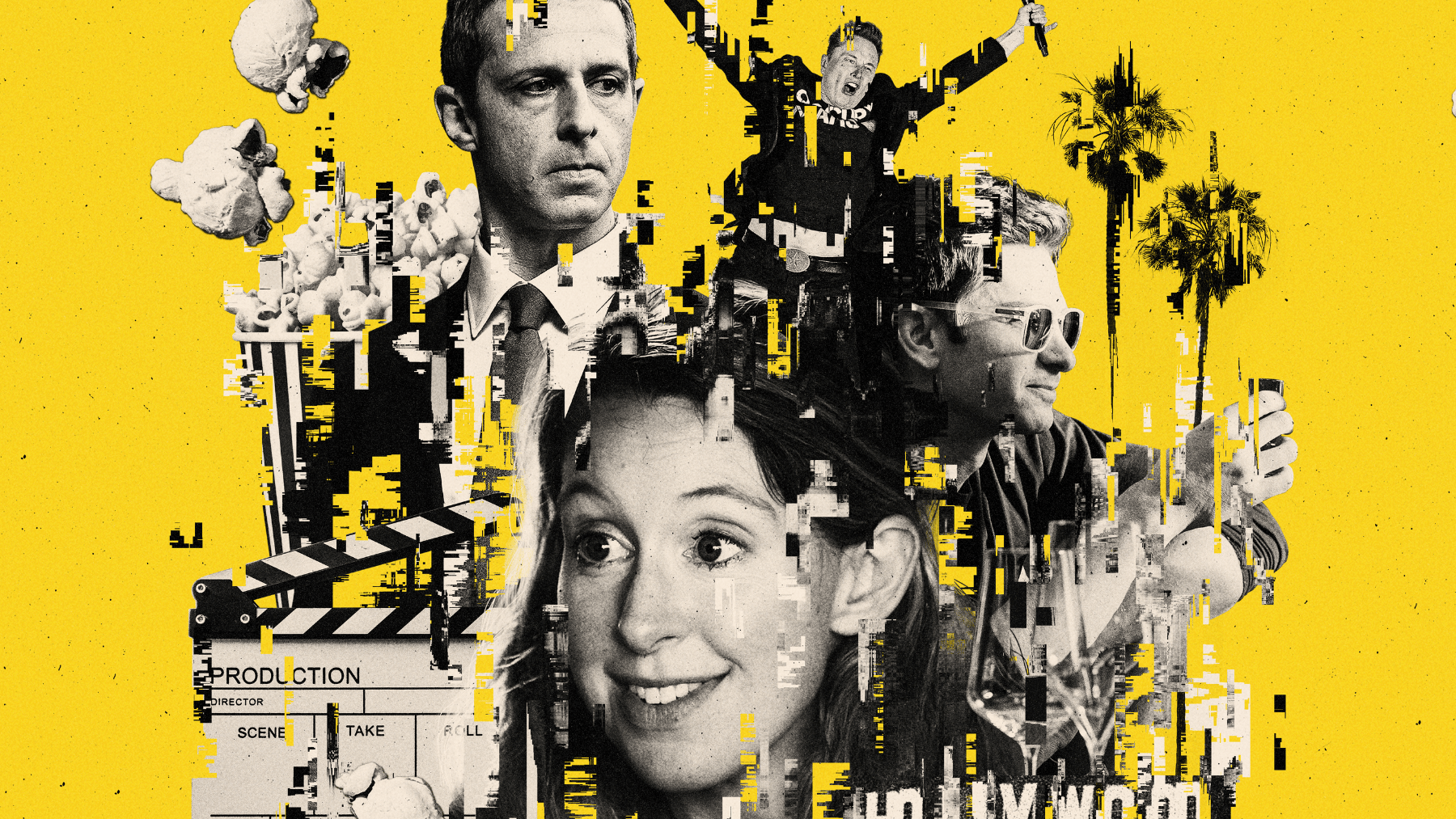
How times have changed. This fall, a new crop of movies arrives that essentially serves as a rejection of that thesis and a damning referendum on the past decade in tech. In the eyes of these movies, tech titans have used their power to exacerbate violent extremism (Mark Zuckerberg in The Social Reckoning); undermine democratic norms (Elon Musk in Musk); mislead the public (Elizabeth Holmes in You Can See Everything); and play roulette with the future of humanity (Sam Altman in Artificial).
In some cases, the films seem to spill from depiction into outright activism. In The Social Reckoning, for example, the protagonists trying to hold Zuckerberg accountable contend that the only way to get powerful people to change is to “cause pain.” And pain Hollywood can certainly cause: tech companies have invested hundreds of billions of dollars to make AI a pillar of society, and face a financial bloodbath should the public reject their tools.
But the damning tone of these films could also prove to be self-sabotaging, because Hollywood is mostly controlled by a handful of billionaires who are heavily invested in AI—and building AI tools that can replace artists. And they have already begun striking back.
These…
Début de l'article, extrait de Time. Pour lire la suite, ouvrez l'article chez le média.
MarketNews présente le titre et le résumé publiés par le média. L'article complet se lit sur le site de l'éditeur. (time.com)