Japan’s big defense buildup hitting a fiscal and industrial wall
Résumé détaillé
Japan’s ambitious military buildup is colliding with severe fiscal, supply-chain, and industrial headwinds just as regional security threats intensify. Multiple media outlets…
Japan’s ambitious military buildup is colliding with severe fiscal, supply-chain, and industrial headwinds just as regional security threats intensify.
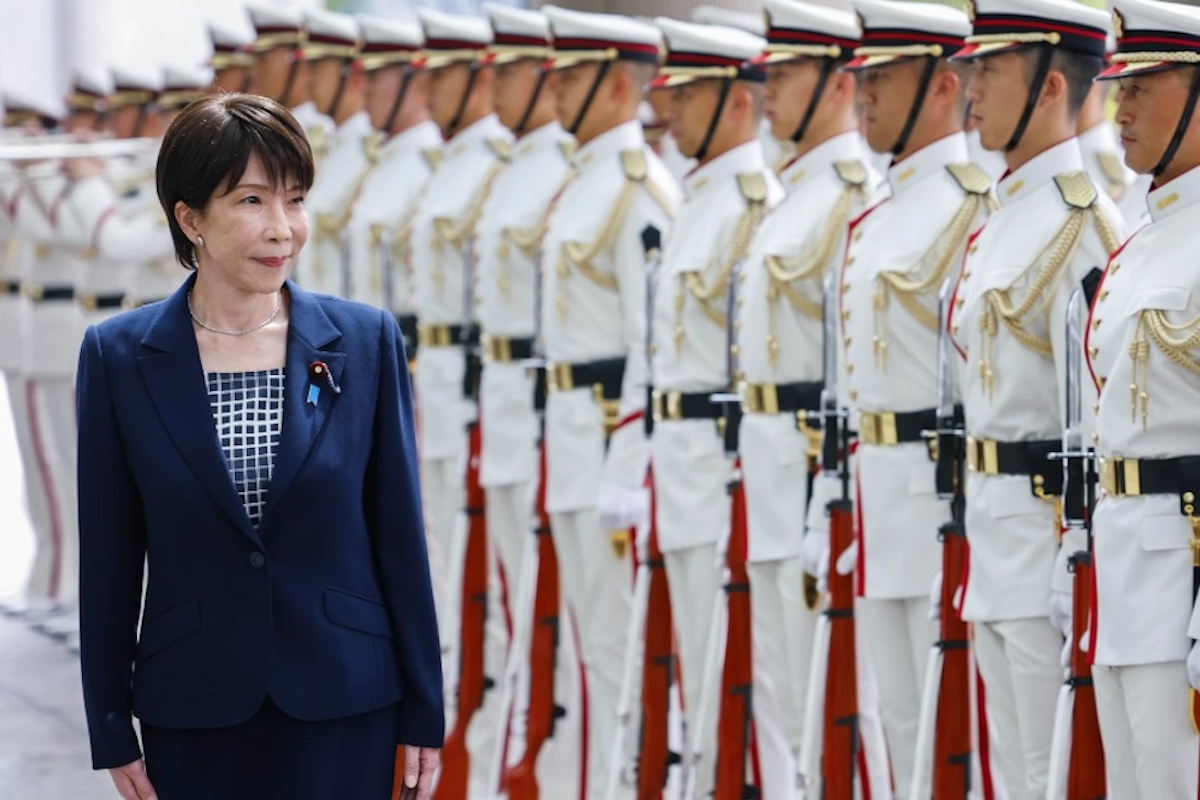
Multiple media outlets reported that Japan’s defense expansion under Prime Minister Sanae Takaichi faces major setbacks from surging procurement expenses, delayed US weapons deliveries, and domestic parts shortages as officials prepare to overhaul the country’s five-year defense program by year-end.
A weak yen, inflation and supply-chain bottlenecks have driven up hardware costs, pushing the unit price of domestically built Kawasaki P-1 patrol aircraft up 50% to 46 billion yen (US$290 million) between fiscal 2023 and 2026, alongside sharp price hikes for US-made F-35 fighters, according to Japanese Ministry of Defense disclosures in August and a January Board of Audit report.
Meanwhile, 118 US Foreign Military Sales (FMS) contracts worth 1.14 trillion yen ($7.2 billion) remain undelivered after at least five years, compounded by two-year delays on up to 400 Tomahawk cruise missiles caused by depleted US stockpiles following US operations against Iran.
Domestically, salt-spray corrosion and spare-parts shortages have reduced the P-1 patrol fleet’s mission-capable readiness rate to roughly 30%, forcing the Japan Maritime Self-Defense Force (JMSDF) to cannibalize aircraft for components.
As officials revise Japan’s three key national security documents to bolster deterrence and counterstrike capabilities, these procurement bottlenecks threaten Japan’s ability to meet its force-expansion targets within existing budget frameworks, prompting a strategic pivot toward unmanned systems like MQ-9B drones.
At the May 2026 Shangri-La Dialogue, US Secretary of Defense Pete Hegseth demanded that US allies in Asia spend at least 3.5% of gross domestic product (GDP) on defense, stressing burden-sharing and warning against freeloading.
However, Nikkei reported this month that Japan is unlikely to meet those demands and raise core defense…
Ac…
Début de l'article, extrait de Asia Times. Pour lire la suite, ouvrez l'article chez le média.
MarketNews présente le titre et le résumé publiés par le média. L'article complet se lit sur le site de l'éditeur. (asiatimes.com)