Could the Black Sea pull the U.S. into war in Europe?
Resumen detallado
The Russia-Ukraine war is spilling into the Black Sea, where violent incidents have surged, running right up to NATO's doorstep.
Constanța, Romania – Out on the Black Sea, the Romanian Navy is always on the lookout for the deadly debris of a war it isn't fighting.
It's a front of the Russia-Ukraine war that most people rarely see. It runs right up to NATO's doorstep and sometimes crosses into its waters — threatening to pull the alliance, and therefore the United States, into the war.
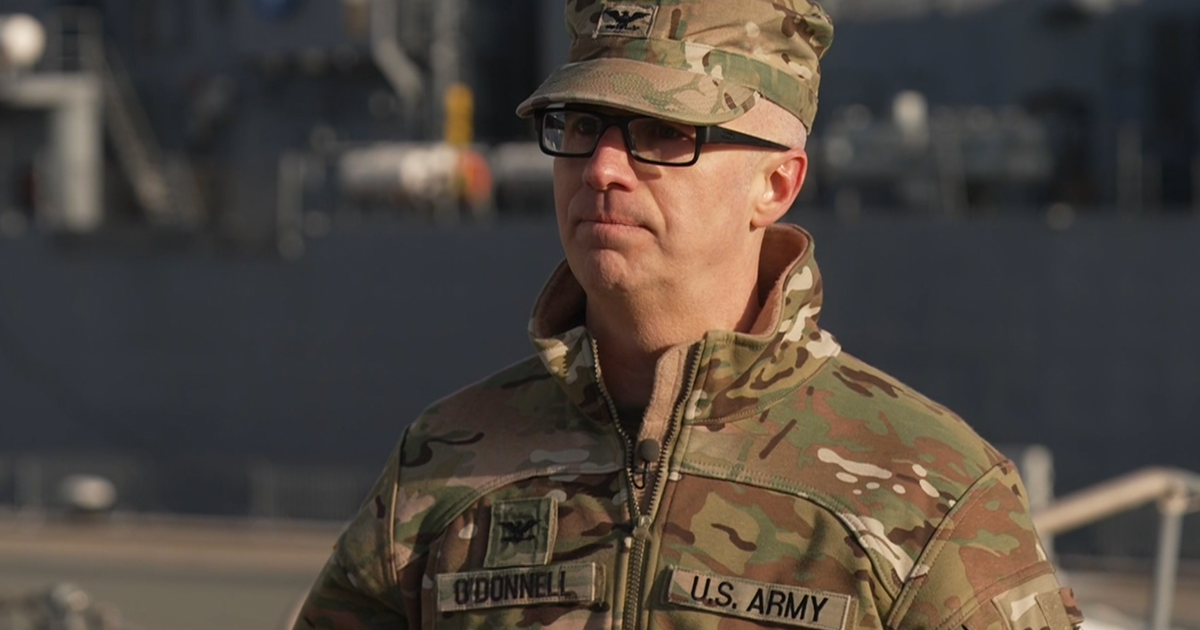
Incidents involving drones, mines and commercial ships are surging in the Black Sea, NATO military spokesperson Colonel Martin O'Donnell told CBS News.
"In 2025, for example, we saw fewer than 50 incidents in the Black Sea. This year alone, we're talking four to five hundred," he said.
The roughly tenfold increase threatens a major artery of global grain and fuel shipments and has made the waterway deadlier than the Strait of Hormuz, a flashpoint in the U.S.-Iran war, with both sides trying to enforce blockades on the chokepoint to exert economic pressure on the other.
Twenty-five sailors have been killed in the strait this year, according to the International Maritime Organization, while at least 40 have been killed in the Black Sea in the same period, according to the International Transport Workers' Federation.
"I would say the Black Sea is just as important, and then depending on who you talk to, some might argue could perhaps even be more important … in terms of global trade," said O'Donnell.
Any imbalance in the flow of fuel and food "can have global implications that can impact America just as much as it can any of the nations here," he said.
Over the weekend, Ukraine said it struck an advanced Russian warship and a cargo ship that then drifted, on fire, into the waters of NATO member Finland.
Inicio del artículo, extracto de CBS News. Para leer el resto, abra el artículo en el sitio del medio.
MarketNews muestra el titular y el resumen publicados por el medio. El artículo completo se lee en el sitio del editor. (www.cbsnews.com)