Indonesia passes long-awaited asset forfeiture law after 18-year wait
Resumen detallado
It allows authorities to confiscate assets linked to criminal activity without securing a prior conviction
It allows authorities to confiscate assets linked to criminal activity without securing a prior conviction
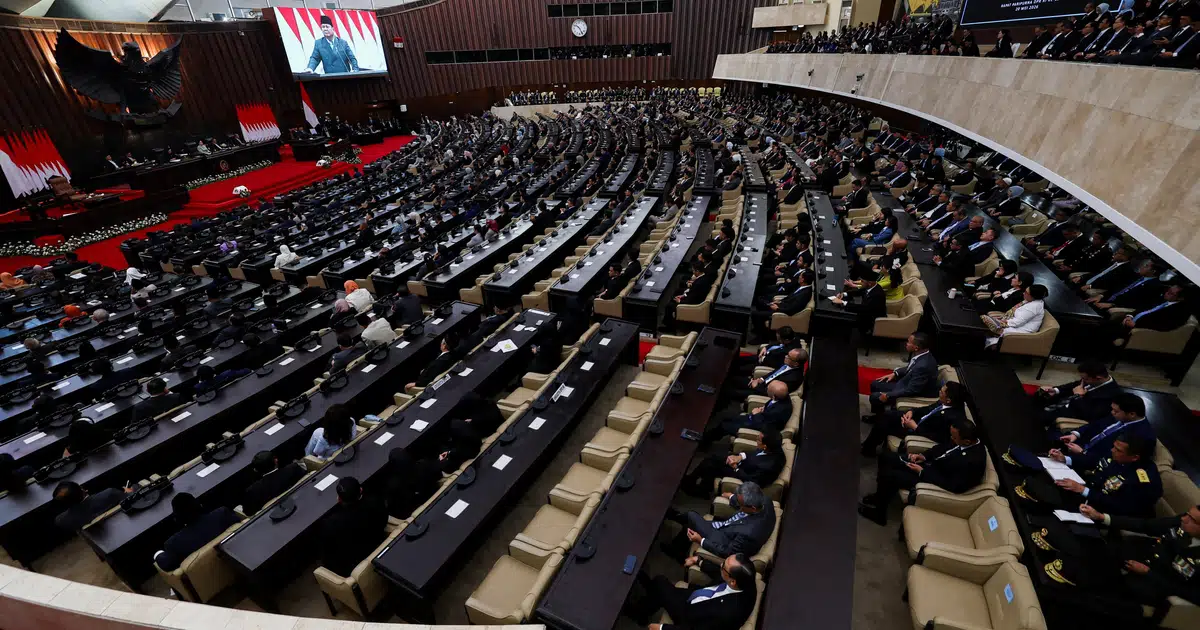
[JAKARTA] Indonesia’s parliament on Thursday (Nov 19) passed a long-awaited asset forfeiture bill, marking a significant step in the government’s bid to recover assets linked to corruption and other financial crimes.
The legislation, which has been under discussion for 18 years, is intended to strengthen law enforcement by allowing authorities to confiscate proceeds of crime and return them to the state or victims, including those affected by large-scale investment fraud.
Among the law’s key provisions is a mechanism known as non-conviction-based asset forfeiture. It allows authorities to pursue the confiscation of assets linked to criminal activities without first securing a criminal conviction, under certain circumstances and subject to judicial proceedings.
The legislation covers corruption and a range of other offences, including narcotics trafficking, terrorism financing, human trafficking and large-scale fraud involving information technology.
It also provides a mechanism for compensating victims of fraudulent investment schemes and illegal share trading, who have often struggled to recover their money through existing legal processes.
Under the framework, victims could receive compensation directly from the proceeds of assets sold after being confiscated from perpetrators, rather than having the recovered funds transferred to the state without necessarily reaching those affected.
Find out how enterprises are navigating power constraints and sustainability targets
The bill spent nearly two decades stalled amid political resistance and disagreements over the scope of the state’s powers to seize assets, particularly concerns that the mechanism could be abused to target individuals or businesses without sufficient legal safeguards.
Inicio del artículo, extracto de The Business Times. Para leer el resto, abra el artículo en el sitio del medio.
MarketNews muestra el titular y el resumen publicados por el medio. El artículo completo se lee en el sitio del editor. (www.businesstimes.com.sg)