Greenpeace boulders may delay building of £12bn windfarms in North Sea
Resumen detallado
Activists dumped rocks off Norfolk coast on site of Burnham-backed project in protest against seabed trawlingThe giant offshore windfarms backed by Andy Burnham this week may face…
Activists dumped rocks off Norfolk coast on site of Burnham-backed project in protest against seabed trawling
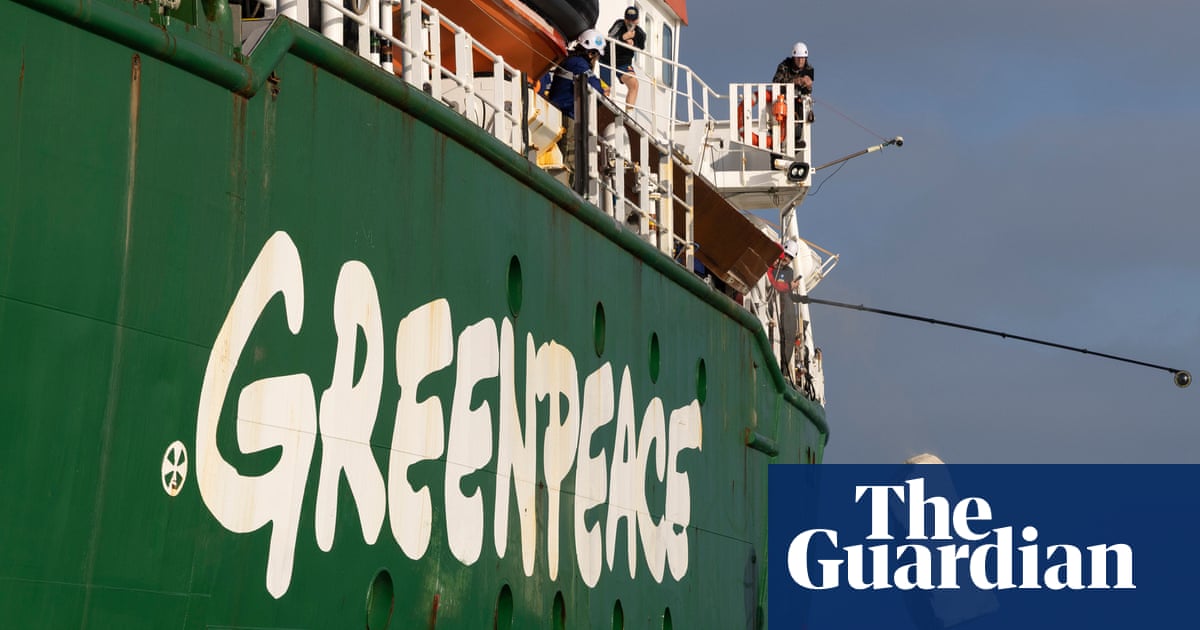
The giant offshore windfarms backed by Andy Burnham this week may face unexpected stumbling blocks after Greenpeace activists unwittingly dumped about 15 tonnes of boulders on to the site as part of a campaign against seabed trawling in the North Sea.
Greenpeace created the “boulder barrier” to safeguard harbour porpoises off the Norfolk coast by dropping giant stone blocks, each weighing up to 2 tonnes, on to the sea floor to prevent a method of fishing known as bottom trawling.
The barrier will pose an additional challenge for the green energy developers because most of the boulders were dropped on to the site earmarked for one of the UK’s biggest planned windfarms, known as the Norfolk Vanguard project.
The Guardian understands that Greenpeace checked the seabed for any existing cables, pipelines or shipwrecks, but it was not aware of the plans to build the Vanguard East windfarm.
The creation of the underwater barrier in one of “the most heavily trawled” areas of the southern North Sea was timed to coincide with the premiere of the BBC’s Blue Planet III documentary, narrated by Sir David Attenborough.
Some boulders bear the signatures of celebrities including Simon Pegg and Benedict Cumberbatch, who have voiced marine conservation documentaries, and agreed to support the Greenpeace campaign.
However, they are likely to be removed within months after renewable energy developers agreed a £12bn deal alongside the UK government to begin building the offshore windfarm next year. Industrial fishing activities, including bottom trawling, are also likely to move elsewhere to avoid the construction area.
The Guardian understands that the offshore wind developer, the German utility company RWE, is in talks with Greenpeace to verify the exact placement of the boulders so that they can update the seabed surveys they began last summer.
Inicio del artículo, extracto de The Guardian Business. Para leer el resto, abra el artículo en el sitio del medio.
MarketNews muestra el titular y el resumen publicados por el medio. El artículo completo se lee en el sitio del editor. (www.theguardian.com)