Israel has almost wiped out Gaza’s ancient olive trees

Resumen detallado
Ezz Al Din Abu Eisha reports from Gaza where the Israeli army is carrying out large-scale bulldozing operations as a ‘military necessity’, destroying centuries-old olive cultivars and pushing the area into an acute food deficit
Want to bookmark your favourite articles and stories to read or reference later? Start your Independent Membership today.
On a crowded street corner in the battered city of Gaza, Zaher Kashko stands over a pan of boiling oil, selling freshly flipped falafel patties to passers-by so he can put food on the table for his family.
Before the war, October meant something different to Zaher. He used to welcome the start of the month with the scent of fresh green oil flowing from his own olive oil press to the east of the city.
Now, however, Zaher’s land and oil press lie behind the ‘Red Zone’, which is under Israeli military control. The five dunam olive grove (a dunam is around 1,000 square metres) has been passed down Zaher’s family for nearly two centuries.
The land was home to 40 mature olive trees, yielding between 10 and 12 tonnes of fruit in rainy seasons, and no less than six tonnes in leaner years. The war has claimed the lives of 150 members of the Kashko family and destroyed the orchard and olive press, forcing Zaher off his land to sell falafel on the pavement.
A few kilometres to the south, farmer Haidar Abu Madin bends down to pick up a dried olive branch from the ground and tosses it onto the barren soil. “Before the war, this land was one of the most fertile and thriving olive groves in Gaza,” he says.
Before the war, Haidar and his brothers co-owned an expansive grove that stretched over 924 dunams. Its trees yielded up to 1,500 tonnes of olives every year, producing nearly 900 barrels of pure olive oil once pressed.
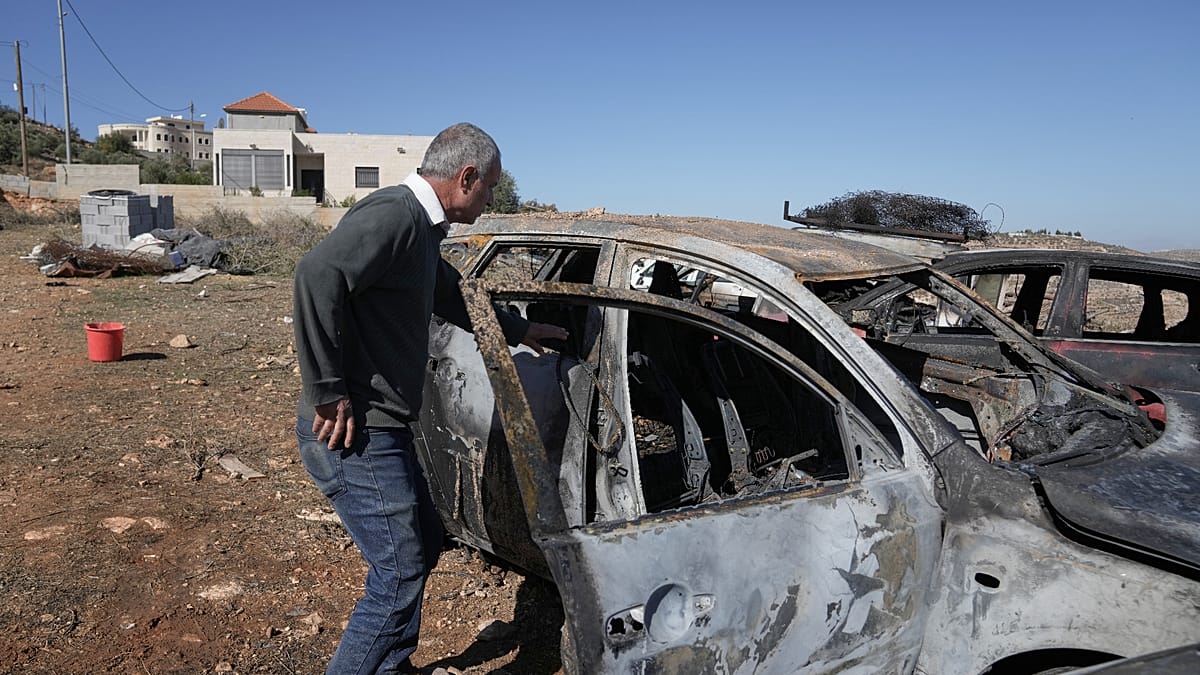
The ‘yellow line’ split his land in two: he is banned from accessing one half, which is now occupied by Israeli forces, while the other half has been levelled by bulldozers, leaving only 30 trees, which are not expected to yield more than two barrels.
Haidar mourns the loss of his land, telling Independent Arabia: “The harvest used to be enough to supply the entire central region, with both oil and olives.”
Inicio del artículo, extracto de The Independent. Para leer el resto, abra el artículo en el sitio del medio.
MarketNews muestra el titular y el resumen publicados por el medio. El artículo completo se lee en el sitio del editor. (www.independent.co.uk)