Midterms gave US-South Korea alliance new defenders in Congress
Resumen detallado
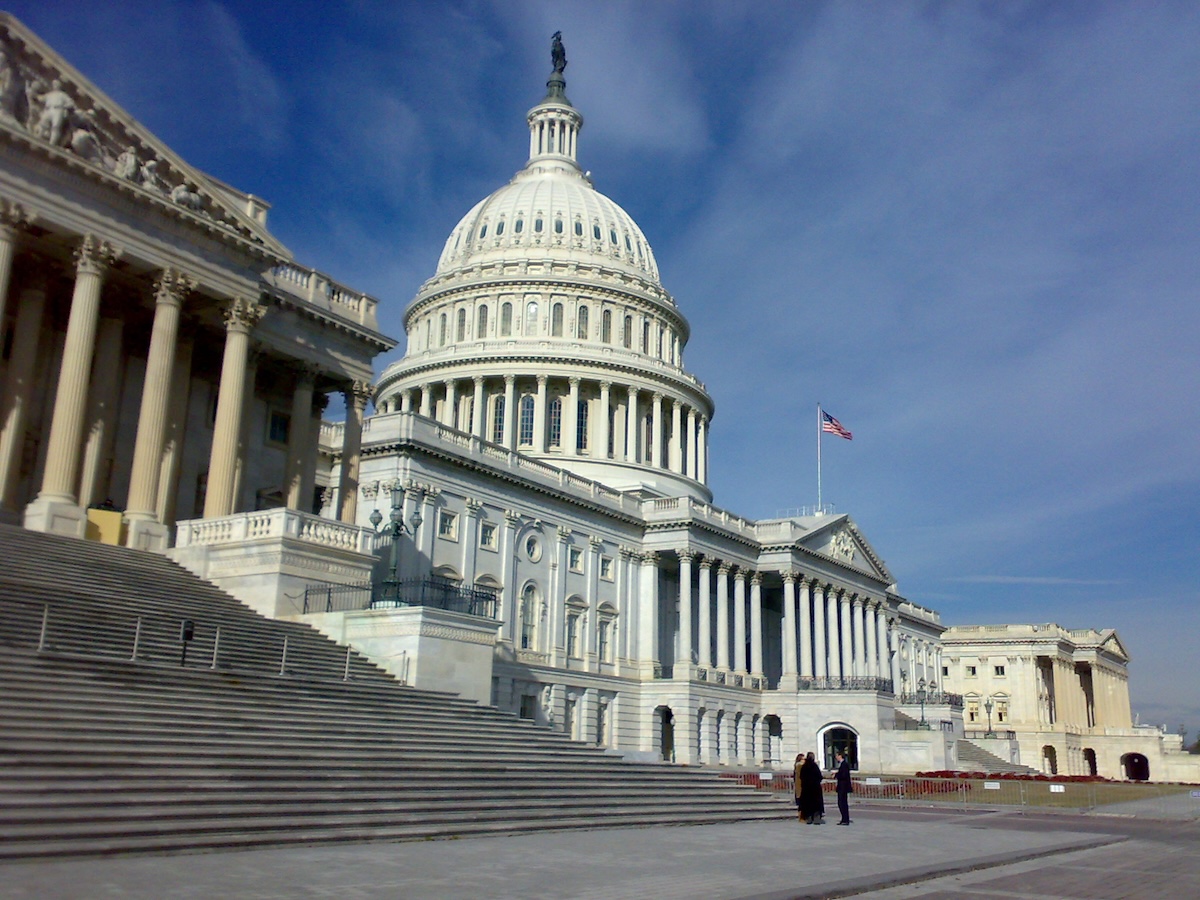
With Democrats firmly in control of Congress come 2027, lawmakers will step up to defend the US-South Korea alliance’s structure. But given his constitutional powers, the…
With Democrats firmly in control of Congress come 2027, lawmakers will step up to defend the US-South Korea alliance’s structure. But given his constitutional powers, the president will still decide how the alliance operates. Seoul should engage the new Congress now, before positions on Capitol Hill harden.
During the 2018 midterm elections, the Democratic Party took the House of Representatives from President Donald Trump. Over the following year, 2019, they set an authorized floor for US forces in Korea (USFK) at 28,500, but they never restored the joint exercises Trump suspended after his Singapore summit with North Korean leader Kim Jong Un – nor did they fully restore trust in the alliance’s stability. If past is prologue, that record may be the best guide to the next two years.
In the 2026 midterms, Democrats won both congressional chambers, with a Senate majority of fifty-six seats, flipping seats in Alaska, Iowa, Kansas, Maine, Mississippi, North Carolina, Ohio, South Carolina, and Texas. They also picked up over forty seats in the House and now control a majority of governorships. 2026 was the largest opposition landslide since 1974.
Voters ranked corruption, the cost of living, and the Iran war as their top concerns, and the war impacted voters through high gas and diesel prices. And the 2028 election cycle began the day after the midterms, when U.S. Vice President JD Vance blamed the Iran war for the Republicans’ loss.
Democrats gain the power of the purse, the gavels, subpoenas, the ability to set the legislative calendar, and the power to block confirmations. But even with the dramatic gains, they lack a veto-proof majority. For example, while tariff authority rests with Congress, reclaiming the powers Congress long ago delegated to the Executive Branch will require two-thirds of both chambers.
The most likely scenario for the next two years, then, is paralysis. Congress passes bills that the president vetoes.
Traditionally, lame-duck presidents turn abroad…
Inicio del artículo, extracto de Asia Times. Para leer el resto, abra el artículo en el sitio del medio.
MarketNews muestra el titular y el resumen publicados por el medio. El artículo completo se lee en el sitio del editor. (asiatimes.com)