Tokyo's core CPI hits 2.9%, strengthening case for BOJ rate hike in December
Resumen detallado
Tokyo's core inflation rises to its highest level since July 2025, while the measure excluding fresh food and energy climbs 2.5%. The data adds to pressure on the Bank of Japan…
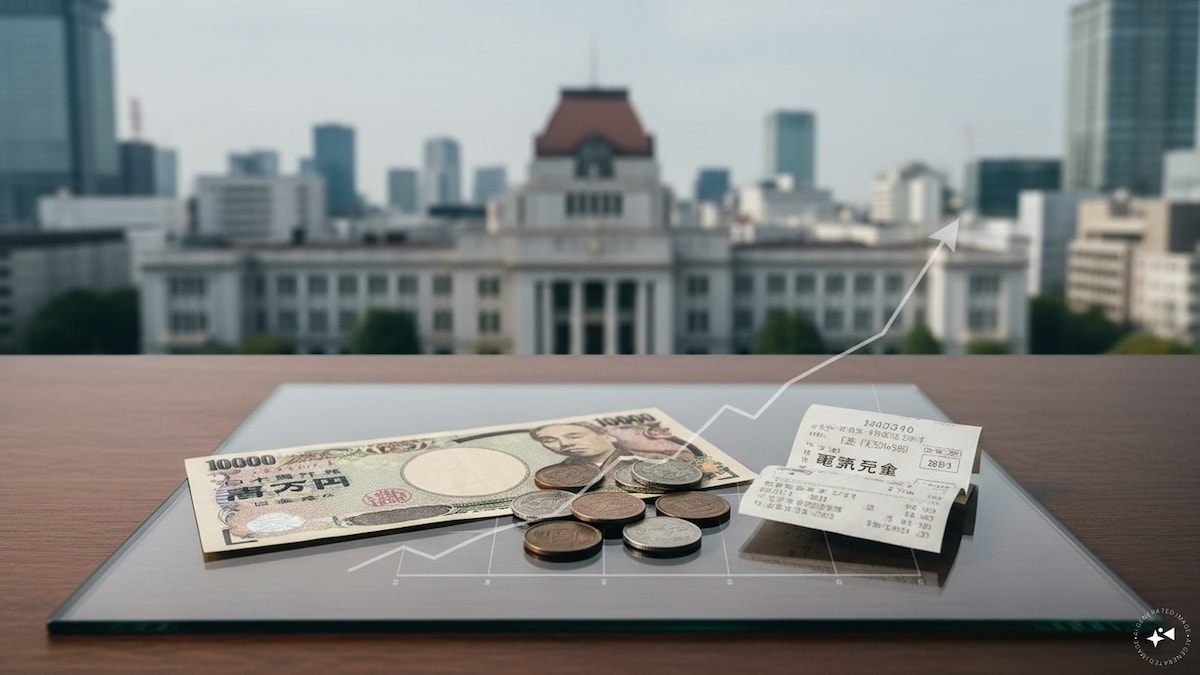
Tokyo's consumer prices rose at their fastest pace this year in November, strengthening the case for the Bank of Japan (BOJ) to raise interest rates next month as it works to keep inflation near its 2% target.
Core consumer price index (CPI) in the capital, which leaves out volatile fresh food, climbed 2.9% from a year earlier, the highest since July 2025, the Ministry of Internal Affairs and Communications said on Friday, with the overall CPI rising 2.8%.
Also Read: Japan, South Korea indices rise: Asian markets extend gains as AI stocks rebound
Tokyo's figures act as an early signal for the national picture, so the result gave the central bank fresh evidence that prices were still climbing. The measure that strips out both fresh food and energy, which the BOJ watches closely as a guide to underlying inflation, rose 2.5%.
Higher utility bills drove much of the increase, as electricity costs rose 9.5% and city gas bills climbed almost 14%, the ministry said, as summer subsidies introduced by Prime Minister Sanae Takaichi's government came to an end. Processed food prices also rose slightly faster.
Rice offered some relief as its price fell almost 34%, the steepest drop in records dating back to 1971, after it had been a main force behind inflation a year earlier.
The data also fitted with the BOJ's recent stance, as last month, the bank judged that underlying inflation had reached a level broadly in line with its 2% goal, and it shifted its focus from pushing prices higher to keeping them steady around that level.
Government policy has however seemed to make that judgement harder as Takaichi announced last month that utility subsidies would return for three months from December, and she wants to cut the sales tax on food from April. The government also plans to scale back gasoline subsidies.
Earlier this week, the BOJ's own gauge, which removes the effect of temporary government measures, rose to 3.5% in October, its fastest in three years.
Inicio del artículo, extracto de CNBC-TV18. Para leer el resto, abra el artículo en el sitio del medio.
MarketNews muestra el titular y el resumen publicados por el medio. El artículo completo se lee en el sitio del editor. (www.cnbctv18.com)