U.S. Army detonates bomb chemicals in Iowa despite toxic plume concerns
Resumen detallado
President Donald Trump posted on social media that early reports showed the “Army’s mitigation efforts have far exceeded expectations.”
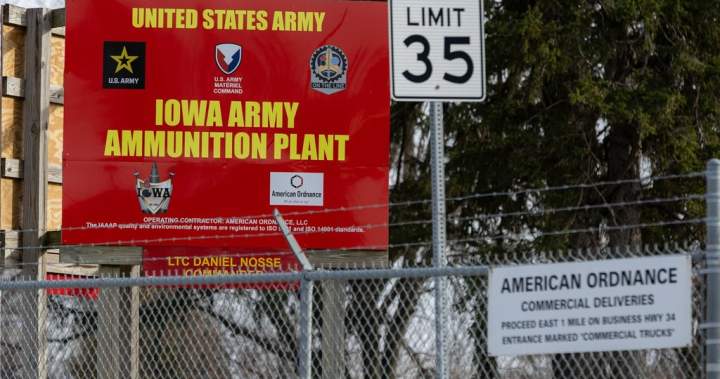
The U.S. Army intentionally blew up the nation’s entire stockpile of lead azide at an ammunition plant in southeastern Iowa on Wednesday after officials said the five tonnes of degraded bomb-making materials were at risk of exploding uncontrollably as temperatures cooled.
The plan for the detonation set off concerns about potential health and environmental impacts from lead dust, and frustration over a lack of information.
Video footage from several miles away showed two white plumes rolling over the detonation site before the clouds quickly dissipated. Journalists reported hearing two loud booms at the same time, around 9 a.m. local time. Despite warnings to stay indoors, some residents pulled to the side of a road to watch the blast upwind from the Iowa Army Ammunition Plant in Middletown.
The U.S. Environmental Protection Agency said it would conduct testing during the detonation and afterward to check lead levels. Its air monitors around the ammunition plant were not reporting any lead in the air for the first 15 minutes after the detonation.
Schools that weren’t already closed for the Thanksgiving holiday canceled classes, and a gas station near the detonation site posted a note on the front door saying they’d be back open once it’s safe. Some residents sealed their windows and doors as a precaution.
President Donald Trump posted on social media that early reports showed the “Army’s mitigation efforts have far exceeded expectations.”
The blast originally was planned for last Friday. The Army changed the detonation date three times amid public backlash and to allow more time for safety measures and favorable wind, according to court documents.
The weather forecast around the time of the blast called for a gentle breeze to the southwest and temperatures around the freezing mark — one of the concerns has been that the stockpile will become volatile as temperatures drop.
“Inaction is no longer an option,” said Maj. Gen. Eric Shirley, the Army’s leader of the operation.
Inicio del artículo, extracto de Global News. Para leer el resto, abra el artículo en el sitio del medio.
MarketNews muestra el titular y el resumen publicados por el medio. El artículo completo se lee en el sitio del editor. (globalnews.ca)