Education does not end when the school bell rings. Are we doing enough to support learners afterwards?
Résumé détaillé
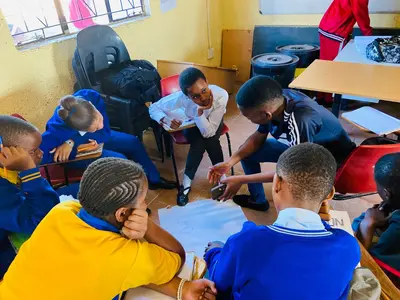
With four in ten South African learners dropping out before matric, structured after-school programmes provide vital academic support, safety, and mentorship…
For many parents, the end of the school day brings another set of questions. Has my child eaten? Have they finished their homework? Are they somewhere safe? Is there someone who can help them if they are struggling with their schoolwork?
These questions may seem ordinary but for millions of South African families, they point to a much bigger problem. A child's opportunity to learn does not depend only on what happens inside a classroom. It is also shaped by what happens when they leave it.
For some learners, going home means having a quiet place to study, access to electricity and the internet, a parent or caregiver who can assist with homework and enough food to get through the evening. For others, the afternoon brings responsibilities, unsafe surroundings, overcrowded homes and limited access to the resources that make learning possible.
This is where the conversation about education needs to become bigger. Improving schools and supporting teachers are essential, but what happens after the school bell rings also deserves attention.
The scale of South Africa's education challenge makes this particularly important. According to the Zero Dropout Campaign's 2025 report, approximately four in every 10 learners who enter Grade 1 do not make it through to Grade 12. The report estimates that while about 1.2 million children enter Grade 1 each year, only around 650,000 reach matric. The loss of learners becomes particularly pronounced after Grade 9.
Dropping out is rarely the result of one difficult day or a single decision. It can follow years of falling behind, struggling to understand lessons, missing school, dealing with financial pressures or gradually losing the belief that completing an education is possible. For learners already facing these challenges, additional support can make a difference.
After-school programmes are often mistaken for places where children simply wait for their parents to finish work. However, quality programmes offer much more than supervision.
Cha…
Début de l'article, extrait de Mail & Guardian. Pour lire la suite, ouvrez l'article chez le média.
MarketNews présente le titre et le résumé publiés par le média. L'article complet se lit sur le site de l'éditeur. (mg.co.za)

