How did past Super El Niños affect the Philippines?
Resumen detallado
Here’s a look back on the effects that the past three ‘very strong’ El Niño events had on the country’s agriculture, economy, and health
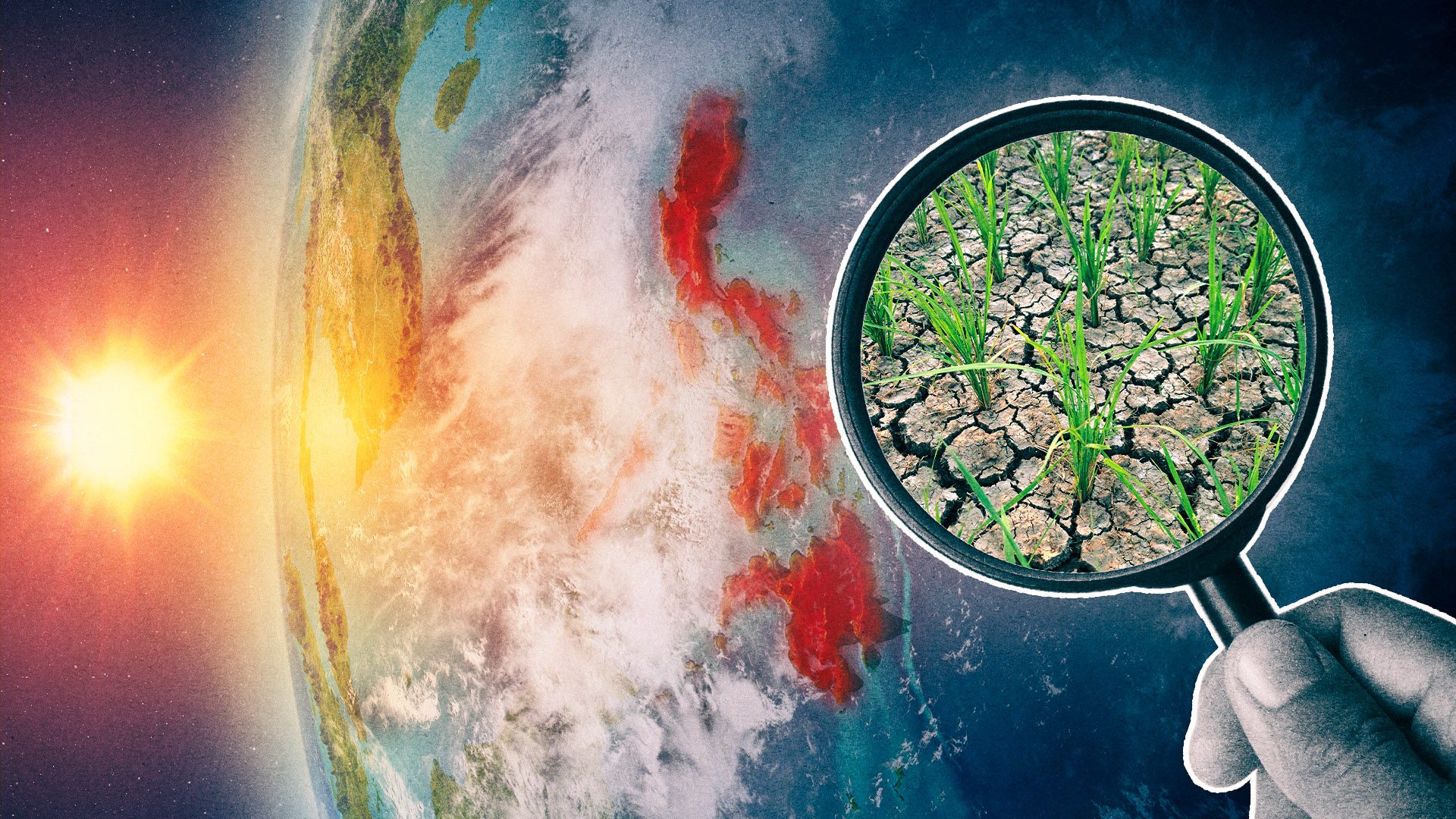
A “very strong” El Niño — informally called Super El Niño — is expected to start causing droughts in the Philippines by the end of November and continue until March 2027.
This phenomenon can have two critical impacts, the Philippine Atmospheric, Geophysical and Astronomical Services Administration (PAGASA) has warned. On one hand, dry spells and drought will threaten agriculture, water supply, and the broader economy. On the other, short-term but heavy rainfall may still affect the western parts of the country.
The Philippines is no stranger to this devastating climate event. The United Nations (UN) said that going by its experiences with past El Niño events, the country has a “strong and well-established sensitivity” to this phenomenon.
According to the World Meteorological Organization, at least three “very strong” El Niños in the past had been as strong, based on the US-based National Oceanic and Atmospheric Administration’s (NOAA) Relative Oceanic Niño Index (RONI): 1982 to 1983, 1997 to 1998, and 2015 to 2016.
All these events have had a RONI of 2.0°C and above for five consecutive overlapping three-month periods, making them “very strong” El Niños. They occur roughly every 10-15 years, according to the World Resources Institute.
And while the 2026-2027 El Niño is projected to outpace the records set by these previous climate events, looking back on past Super El Niños can give a glimpse of what’s to come.
This El Niño was the largest event in a hundred years, according to the UN Department of Humanitarian Affairs. Based on the latest data as of November 2026, it had a peak RONI of +2.4°C.
It was said to have caused droughts on almost every continent, as well as floods and cyclones, especially in the Pacific. The Woods Hole Oceanographic Institution attributed an estimated 1,300 to 2,000 deaths and more than US$13 billion in damage to property and livelihoods to this devastating El Niño event.
The intense climate event came as a surprise, as scientists at the time…
Inicio del artículo, extracto de Rappler. Para leer el resto, abra el artículo en el sitio del medio.
MarketNews muestra el titular y el resumen publicados por el medio. El artículo completo se lee en el sitio del editor. (www.rappler.com)