Shanghai fires 2 scientists after girl dies in world's first brain gene-editing attempt
Resumen detallado
Shanghai has fired two scientists whose world-first attempt at brain gene editing killed a 6-year-old girl, after investigators found warnings from monkey tests went unheeded and the pair accepted money and gifts from her family.
Shanghai's municipal investigation team announced the dismissals in a statement on Friday, citing failures in safety reporting, clinical review and the disclosure of financial conflicts of interest, Shanghai Daily reported.
Both researchers were also barred for five years from state science and technology programs and from awards, and entered into a database of serious research integrity violations.
The South China Morning Post identified the two as Qiu Zilong, the project's lead scientist at Shanghai Jiao Tong University, and his hospital colleague Yang Kan.
The girl had Snijders Blok-Campeau syndrome, a rare neurodevelopmental disorder with no effective treatment. After seeking help at several hospitals, her family approached Qiu, deputy director of the university medical school's Songjiang Research Institute, in July 2023, hoping for a customized gene-editing therapy targeting the central nervous system.
Xinhua Hospital, which is affiliated with the medical school, approved the clinical study through its ethics committee on Jan. 2, 2025. The girl received an injection there on March 24, 2025, and died on March 31 despite resuscitation efforts.
At an emergency review on April 2, the ethics committee concluded that she had died of thrombotic microangiopathy, a complication of the gene therapy, and ordered the study stopped.
Investigators found that Qiu's team had not promptly told the hospital's clinical study leader about findings from a safety report on nonhuman primates, leaving its warning signals unheeded. The report had been completed in February 2025, the month before the injection.
The team also failed to promptly disclose the safety report and the girl's death when it published its research in the journal Nature on Feb. 18. Investigators found no fabricated data in the paper but identified academic irregularities, including discrepancies between the methods used and those described.
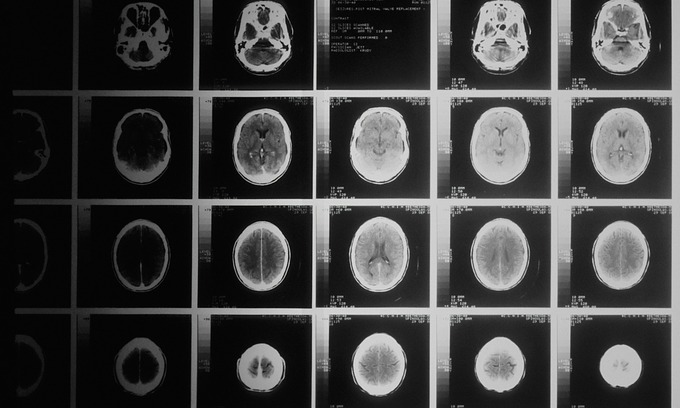
CT scans of a human brain. Illustation photo by Unsplash/U.S.
Inicio del artículo, extracto de VnExpress International. Para leer el resto, abra el artículo en el sitio del medio.
MarketNews muestra el titular y el resumen publicados por el medio. El artículo completo se lee en el sitio del editor. (e.vnexpress.net)