Australian kids are in bad shape. There are four reasons why
Detailed summary
It’s prohibitively expensive, not to mention logistically challenging. And it is just one of the reasons that only 18 per cent of children in Australia aged between five and 17…
When I start to do the maths, it hurts. There’s the $800 per term for dance, before competitions and costumes. There’s a similar figure for gymnastics, and there’s netball and swimming, too – double it all for two kids.
Every time I think we’re coming up for air, there’s another term fee, costume or competition that needs attending to.
It’s a choice, I realise. And a privileged one at that. The average parent pays $4500 a year for their kids’ sport in Australia.
It’s prohibitively expensive, not to mention logistically challenging. And it is just one of the reasons that only 18 per cent of children in Australia aged between five and 17 meet the recommended levels of aerobic and strengthening activity.
This is among the findings of the Blueprint for an Active Australia, a collaboration between the National Heart Foundation of Australia and 70 of the nation’s foremost experts in physical activity and public health.
“Our kids aren’t fit, our kids aren’t strong,” says Elizabeth Calleja, the senior adviser on physical activity at the National Heart Foundation of Australia.
The report, aimed at bridging the gap between activity guidelines and current activity levels, also found that Australian children “are less physically fit than their international peers”.
In what Calleja equated to a “D minus”, they ranked in the 41st percentile for aerobic fitness (20-metre shuttle run) and the 28th percentile for muscular fitness (standing long jump).
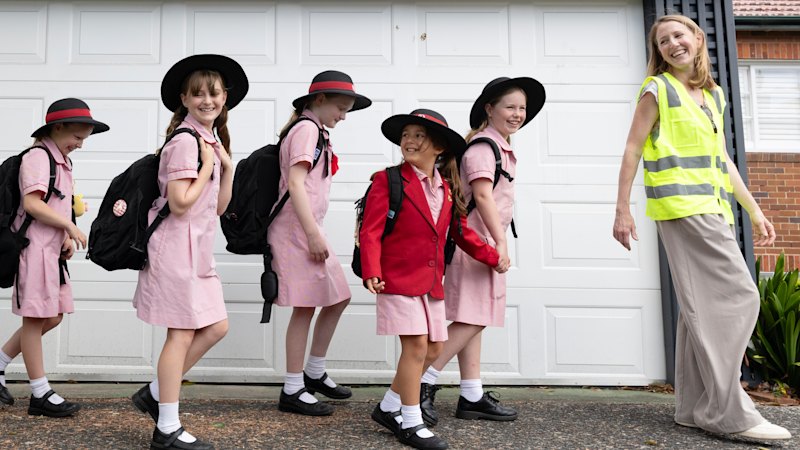
And even though many children live within two kilometres of their schools, fewer than one-quarter of primary schoolchildren in Australia walk or ride a bike to school.
Opening of the article, excerpted from WAtoday. To read the rest, open the article on the publisher's site.
MarketNews shows the headline and summary published by the outlet. The full article is on the publisher's website. (www.watoday.com.au)