Soft plastic recycling in Australia is struggling. How do we fix it?
Resumen detallado
Without more action, we risk watching more recycling companies go bust – or else relying on ongoing injections of taxpayer funding.
Bread bags, shopping bags, cling wrap, lolly wrappers. The vast volume of those soft plastics is expected to grow from 370,000–400,000 tonnes in 2025 to 515,000 tonnes in 2033. That’s more than three times the weight of the Sydney Opera House.
Australia’s lack of action to reduce soft plastics – coupled with insufficient processing capacity and limited markets for recycled products – has seen past attempts at plastic recycling schemes fail.
This year, it’s become possible again to drop off soft plastics to recycling bins at more than 700 Woolworths supermarkets.
But recycling is still struggling. Some recycling companies have entered administration, unable to pay their debts. Others warn they may follow within weeks.
For years, many Australians dutifully carted bags of soft plastics to their local supermarkets to stuff into collection bins. Over decades, the packaging industry shifted the burden of recycling onto consumers.
Clean soft plastics can be recycled into products: from new packaging and rubbish bags to bins, shipping pallets, crates and sound walls.
Known as REDcycle, the national recycling scheme collapsed in 2022. Australia’s processing capacity couldn’t keep up with the volume, while demand for recycled products had fallen sharply.
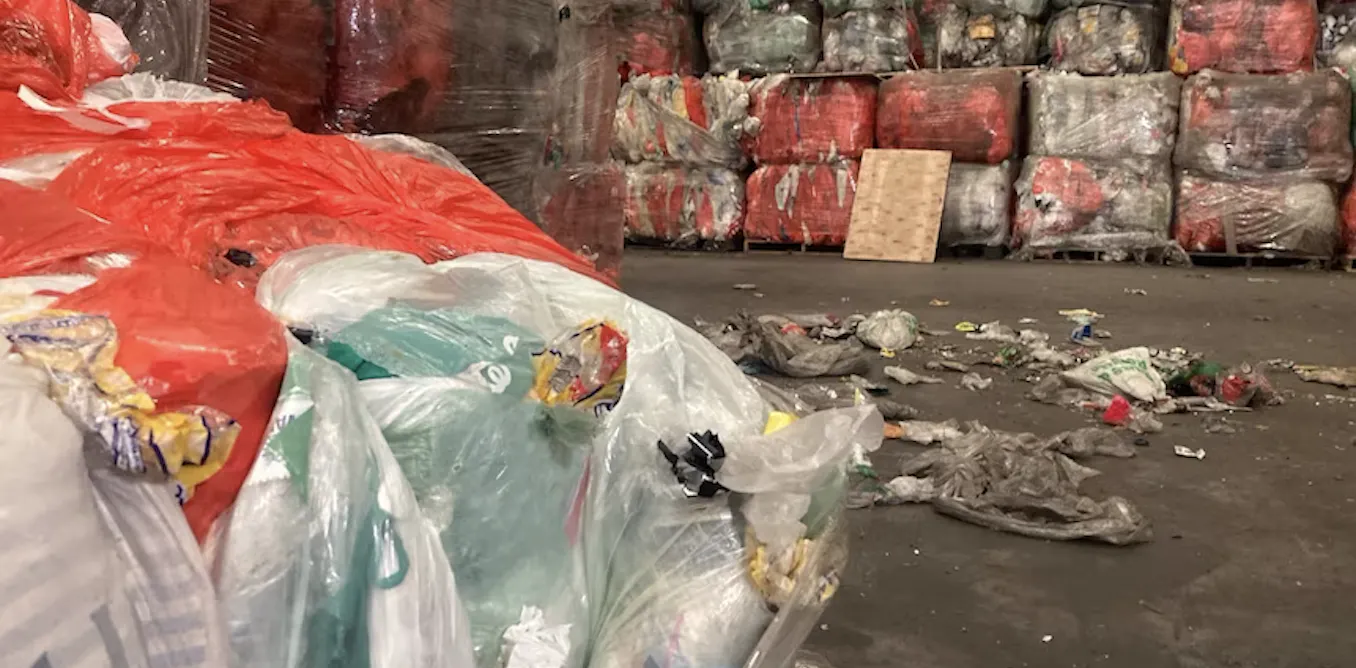
After REDcycle’s failure, authorities discovered 44 secret stockpiles and warehouses across Australia. These were filled with about 11,000 tonnes of soft plastics, collected for recycling but never processed.
Supermarkets Woolworths, Coles and Aldi then took over responsibility for the stockpiles and worked together to restart collection. Supermarket trials resumed two years ago.
Inicio del artículo, extracto de The Conversation AU. Para leer el resto, abra el artículo en el sitio del medio.
MarketNews muestra el titular y el resumen publicados por el medio. El artículo completo se lee en el sitio del editor. (theconversation.com)