Is Russia about to launch a nuclear weapon into Earth’s orbit? A space law expert explains the threat
Resumen detallado
An agreement made nearly 60 years ago to keep nuclear weapons out of orbit could be put to the test.
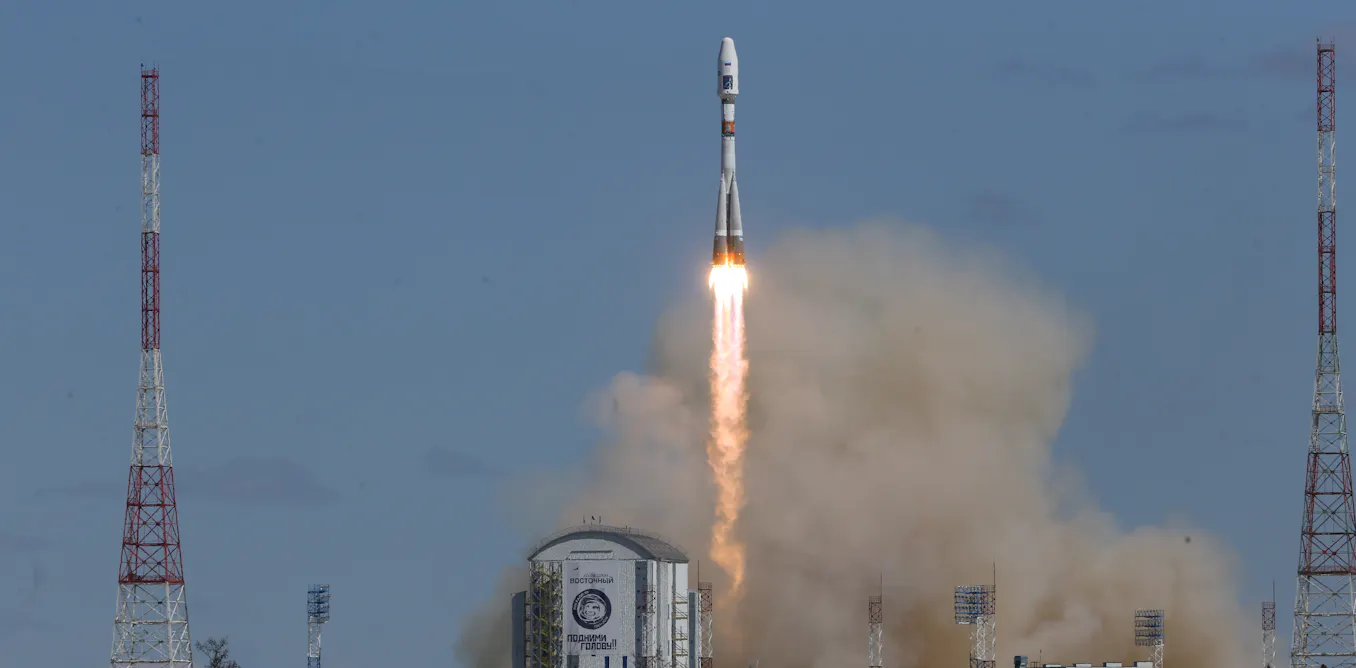
As early as December. That’s how soon Russia could put a satellite carrying a nuclear weapon in orbit, according to German media reports.
If the news sounds familiar from headlines past, that’s because it is. In 2024, the United States made a similar allegation, albeit without giving any potential launch window.
These latest reports claim that the satellite, Sputnik-S, was assembled several years ago and is in storage near Moscow.
Intelligence agencies in NATO countries have reportedly shared information about the satellite. This week, the alliance’s secretary general asserted that protecting NATO territory includes keeping it safe from threats to space systems.
Russia’s embassy in Berlin said it “categorically reject[s] all these groundless allegations”. Echoing Moscow’s 2024 denial, it called the reports “propaganda”, adding that Russia “strictly adheres to the fundamental 1967 Outer Space Treaty”.
What is this treaty and what does it say about nuclear weapons? And how could the international community respond or even verify what is on board a satellite?
The prospect of nuclear weapons off-Earth helped drive negotiations for the treaty invoked by Russia.
During the Cold War, the US and the Soviet Union found common ground on keeping these weapons out of orbit. It was a lesson on cooperation, despite competition and conflict, worth recalling in what is framed as today’s “space race”.
A cornerstone of international space law that prevails to this day, the Outer Space Treaty is also an arms control treaty. Under Article IV, countries undertake not to:
Inicio del artículo, extracto de The Conversation AU. Para leer el resto, abra el artículo en el sitio del medio.
MarketNews muestra el titular y el resumen publicados por el medio. El artículo completo se lee en el sitio del editor. (theconversation.com)