The scientists fighting to help Maui wildfire survivors heal
Resumen detallado
A wildfire exposure study in Hawai’i created a new blueprint for public health research and support after disasters—but funding was drying up. Could the organizers keep it afloat?
Early on a Saturday morning in May, Ruben Juarez took the 45-minute flight from Oʻahu to Maui, just like he’d done dozens of times over the past three years.
Juarez landed in Kahului Airport with his partner, Alika Maunakea, and drove on a long winding highway beside the piercing blue ocean until they reached the Lahaina Comprehensive Health Center.
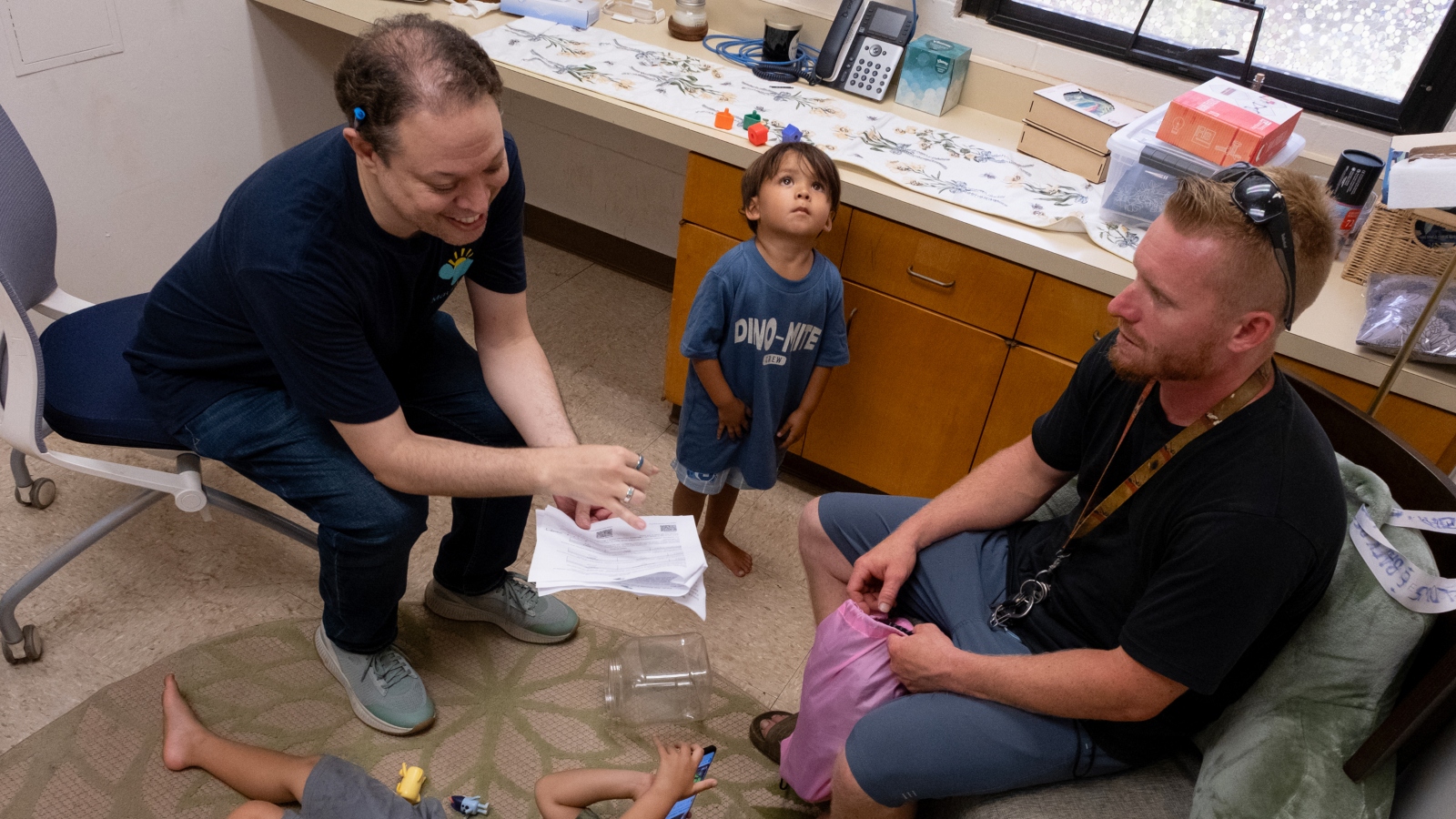
A cool breeze wafted in from the Pacific less than half a mile below as they set up stations for blood collection, lung function tests, and mental health check-ins, directing a team of Ph.D. students and local healthcare providers. Then they waited for the fire survivors to arrive.
To support our nonprofit environmental journalism, please consider disabling your ad-blocker to allow ads on Grist. Here's How
On August 8, 2023, Maui was hit with the deadliest wildfires the U.S. has seen in over a century. They killed at least 102 people, displaced nearly 13,000 residents, and destroyed more than 2,200 buildings. Three years later, just 15 percent have been rebuilt.
Juarez, an economist, and Maunakea, a biomedical scientist, never expected to focus on disaster recovery. But after the fires, they were thrust into the space by the overwhelming scale of need. The two University of Hawaiʻi professors dreamed up the Maui Wildfire Exposure Study, or MauiWES, as a form of rapid response: an effort to track the impacts of the fires on survivors’ health.
Three years and 2,500 participants later, the study has blossomed into a combination of research and intervention, a web of community organizations working together to give participants not just free testing but also therapy, food assistance, cash support, and help connecting with doctors and insurance. Some even say the study saved their lives.
The researchers hope MauiWES could become a national blueprint for public health response after disasters. Experts across the country are paying attention.
To support our nonprofit environmental journalism, please consider disabling your ad-blocker…
Inicio del artículo, extracto de Grist. Para leer el resto, abra el artículo en el sitio del medio.
MarketNews muestra el titular y el resumen publicados por el medio. El artículo completo se lee en el sitio del editor. (grist.org)