Why your joints may act up in the winter - and what can help
Resumen detallado
Marta Michalska Smith, a rheumatologist in Minnesota, spends a lot of time discussing the weather in the colder months and not just in a small talk...
Marta Michalska-Smith, a rheumatologist in Minnesota, spends a lot of time discussing the weather in the colder months - and not just in a small-talk way.
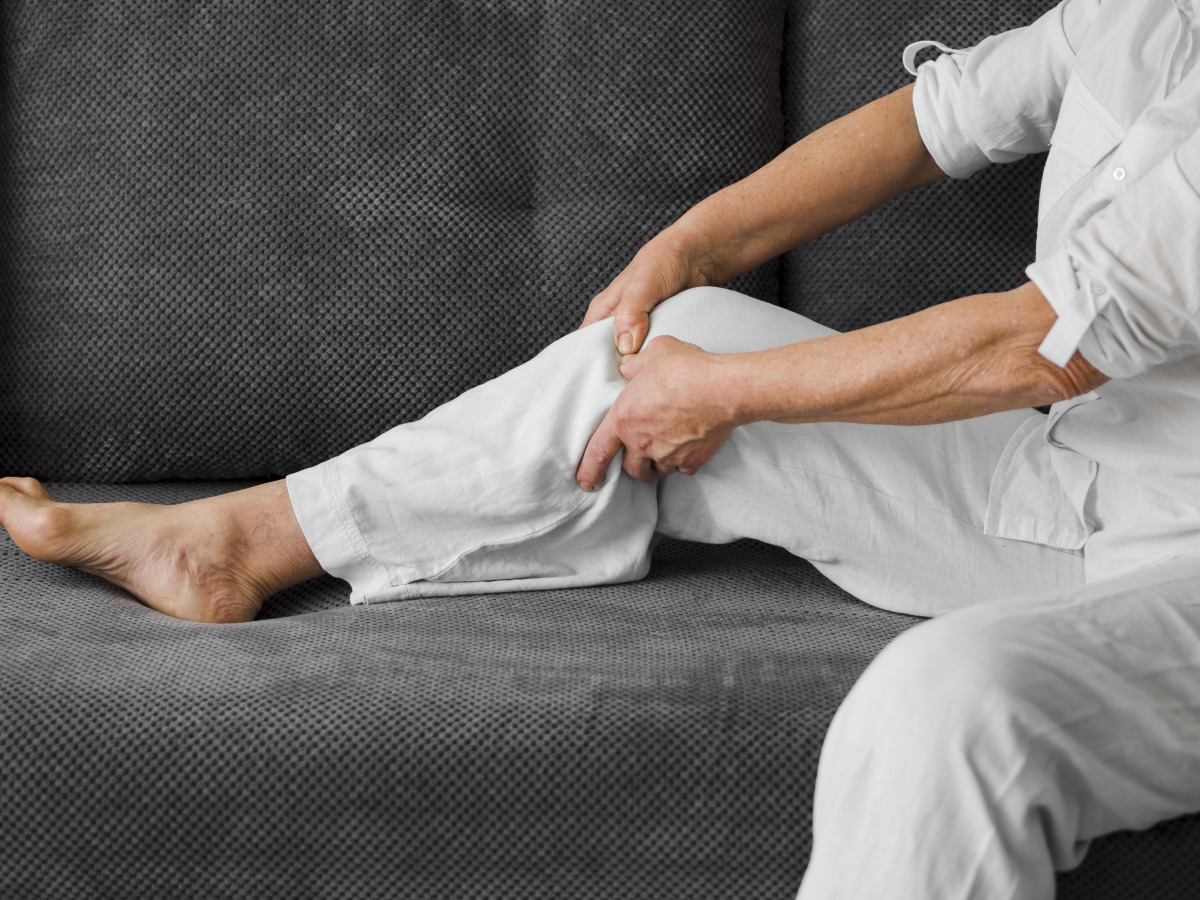
"Many of my patients will say that their joints hurt more in winter, or that they can tell when the seasons are changing because their joints are acting up,” said Michalska-Smith, an assistant professor in the Division of Rheumatic and Autoimmune Diseases at the University of Minnesota Medical School.
Weather-related trouble can especially affect those with arthritis, including osteoarthritis (which occurs when the cartilage cushioning the joints breaks down due to wear and tear) and rheumatoid arthritis (when the immune system mistakenly attacks the lining of the joints).
It’s tricky to study exactly how weather variables such as temperature influence joint conditions. Most of the research has looked at associations retrospectively, tracking how symptoms shifted with weather over a period of time. A few studies have shown a small link between lower temperatures and greater pain levels, particularly in osteoarthritis. One study also suggests a modest tie between cold weather and the number of tender joints in rheumatoid arthritis; but several studies also have found no clear connection between temperature and joint pain.
Part of the inconsistency could be explained by other weather factors. High humidity, for example, also has been linked to increased joint pain in people with arthritis - which may be why some people are worse off in the summer. Meanwhile, dips in barometric pressure, which can occur year-round (often before a storm) also may trigger an uptick in joint swelling.
The real culprit may be in weather or instability in conditions such as pressure, dampness and temperature versus simply heat or cold, said Alexa Meara, a rheumatologist at the Ohio State University Wexner Medical Center and clinical associate professor of internal medicine at the Ohio State University College of Medicine.
Weather shifts also…
We…
Inicio del artículo, extracto de The Peninsula. Para leer el resto, abra el artículo en el sitio del medio.
MarketNews muestra el titular y el resumen publicados por el medio. El artículo completo se lee en el sitio del editor. (thepeninsulaqatar.com)