Out of the bubble: How a world-first gene therapy gave Matthew a second chance at life
详细摘要
Until recently, Matthew Rozek has spent his life avoiding everyday germs. This has meant avoiding parties, shopping malls, flights, and public transport. But a new gene therapy treatment has given him a new lease on life.
It’s the tail end of the flu season, and hundreds of shoppers are milling around a food court, searching for a bite to eat.
Until recently, sitting among this lunchtime crowd could have killed Matthew Rozek.
“It’s a big adjustment,” says the 29-year-old, who recently became one of the first people in the world to receive an experimental gene therapy that he hopes will cure him of severe combined immunodeficiency (SCID) or “bubble boy disease”.
Born without a functional immune system, Rozek spent the first few years of his life largely inside a Melbourne hospital.
Everyday germs posed a constant threat. When chickenpox circulated through his primary school, he stayed home for weeks.
Parties, shopping malls, flights, public transport and art galleries were off limits, especially during winter, when he retreated to the safety of his home “like a hermit”.
The slightest sign of a scratchy throat triggered a wave of anxiety. Would he end up in hospital yet again, requiring intravenous antibiotics for an infection most people shake off within a few days?
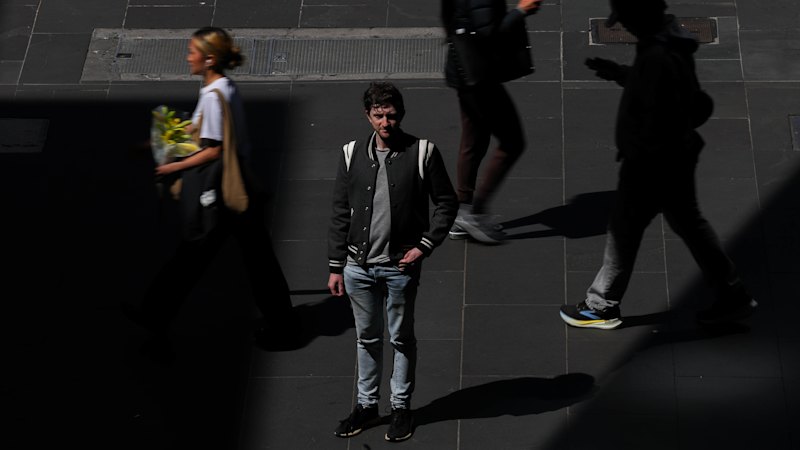
“Once I was in the teenage years, that’s when you notice that everyone else is normal and I’m not,” he says, sipping a hot chocolate in the food court of the Spencer Outlet Centre in Melbourne’s CBD.
His life began to change a year ago in a Melbourne laboratory at the Walter and Eliza Hall Institute, where a research team led by Professor Shalin Naik, with Dr Miles Horton, corrected Rozek’s genetic mutation using a “blood in a dish” system.
文章开头,摘自The Sydney Morning Herald。如需阅读全文,请前往媒体网站。
MarketNews 仅展示媒体发布的标题和摘要,全文请在出版方网站阅读。 (www.smh.com.au)