Hormuz Oil Exports Could Decline amid Inbound Tanker Shortage
Resumen detallado
The increased flows of oil from the Strait of Hormuz, mostly thanks to ship-to-ship (STS) transfers in the Gulf of Oman, are tying up supertankers for weeks waiting for the transfers outside the Strait
What I Cover Tsvetana Paraskova is an energy and commodities journalist who has contributed to Oilprice.com for nearly a decade, covering global energy markets, commodities,…
Analysts are touting the remarkable recovery in crude oil exports from the Persian Gulf, which have jumped close to pre-war levels in recent months.
The oil market reflects the bearish sentiment, with Brent Crude prices sliding in the past weeks to around $92 per barrel, down from a recent peak of over $118 per barrel in late October.
The market and most analysts assume that the steady flow of crude oil from the Strait of Hormuz and the entire Middle Eastern region will continue into the next months, rebalancing supply and demand and even tipping the balance into a large surplus next year.
However, in the volatile situation in and around the Strait of Hormuz, with no recent rapprochement for potential U.S.-Iran talks, nothing is given, and no forecast has more than 50/50 odds of panning out.
The Iran war has reshuffled trade routes and patterns and tied up more tankers in inefficient and lengthy voyages.
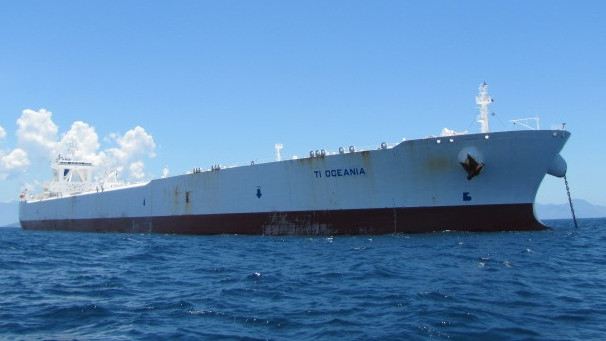
The increased flows of oil from the Strait of Hormuz, mostly thanks to ship-to-ship (STS) transfers in the Gulf of Oman, are tying up supertankers for weeks waiting for the transfers outside the Strait, limiting the availability of very large crude carriers (VLCCs) for the other global key oil trade routes, such as the U.S. Gulf Coast to Asia.
The inefficient shuttle shipping is tying up a growing number of smaller vessels, Suezmaxes and Aframaxes, too, on the Hormuz trade.
This leaves fewer available empty tankers globally willing to travel to the Middle East to pick up cargoes in the Gulf of Oman.
Inicio del artículo, extracto de OilPrice.com. Para leer el resto, abra el artículo en el sitio del medio.
MarketNews muestra el titular y el resumen publicados por el medio. El artículo completo se lee en el sitio del editor. (oilprice.com)
