Executive wellness: Rethinking health preparedness on the move
Detailed summary
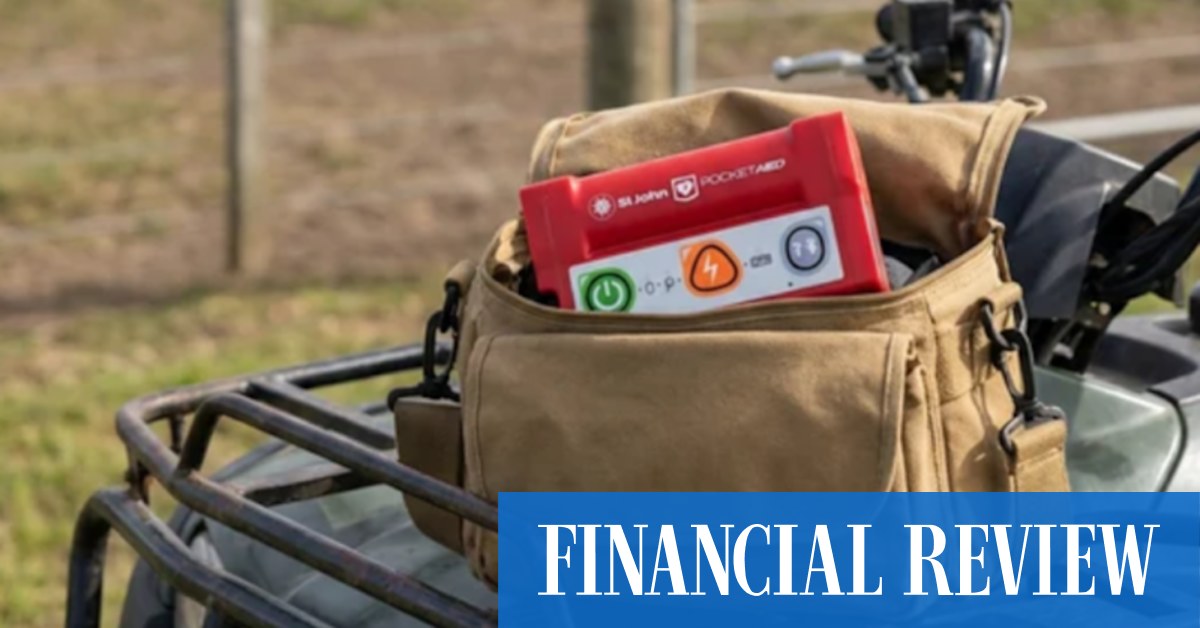
If you suspect a sudden cardiac arrest, call 000 and ask for an ambulance. Follow the Pocket AED’s voice or visual prompts until medical help arrives. An AED may increase survival…
Zak Dragic calls it the exposure zone. “It’s the window of time between something going wrong and the person reaching definitive care. In a city it might be 15 minutes; on the Larapinta Trail [in the Northern Territory], it’s hours, even in the best conditions.”
As a remote-operations specialist and founder of Trail Rescue Australia, Dragic has spent more than two decades coordinating rescues in some of Australia’s most isolated regions. Yet the same blind spot he sees in the bush could just as easily apply to busy leaders and frequent travellers: a reliance on assumptions.
“People assume they’ll be fine, that the guide has everything covered, or that help will arrive quickly once the alarm is raised,” Dragic says.
For executives constantly moving between interstate flights, regional site visits, off-site retreats or weekend charters, those assumptions create unseen gaps. “On the coast, a boat-based rescue can sit for hours waiting on the right tide,” Dragic notes. In those moments, genuine wellness isn’t about hotel gyms or recovery routines — it’s about maintaining health continuity when your schedule takes you away from immediate medical infrastructure.
That continuity matters most when an emergency strikes without warning. Sudden cardiac arrest, for example, can affect anyone, anywhere, and when it occurs, the heart stops pumping blood effectively. In those first few minutes, immediate cardiopulmonary resuscitation (CPR) and timely access to a defibrillator may potentially save a life while waiting for paramedics.
As Dragic points out, the exposure zone doesn’t always come with a warning. “Sometimes it’s sudden. Sometimes there’s very little time to spare.”
Closing that gap comes down to two things: what you carry with you, and the safety protocols you put in place.
It’s not just about how quickly help can arrive, but what’s available in the meantime. In the event of a sudden cardiac arrest, access to a defibrillator may increase survival, says St John Safe Expert…
“The…
Opening of the article, excerpted from Australian Financial Review. To read the rest, open the article on the publisher's site.
MarketNews shows the headline and summary published by the outlet. The full article is on the publisher's website. (www.afr.com)