Singapore 'very disappointed' with proposed US tariffs, says findings fail to account for its economic structure
Resumen detallado
Singapore’s economic policies do not protect its domestic market or subsidise manufacturing for export, said the Ministry of Energy, Trade and Industry.
The US findings did not take into account the structure of Singapore’s economy, said the Ministry of Energy, Trade and Industry.
SINGAPORE: Singapore said on Thursday (Nov 26) that it was "very disappointed" with the latest proposed tariffs by the United States over excess industrial capacity and manufacturing.
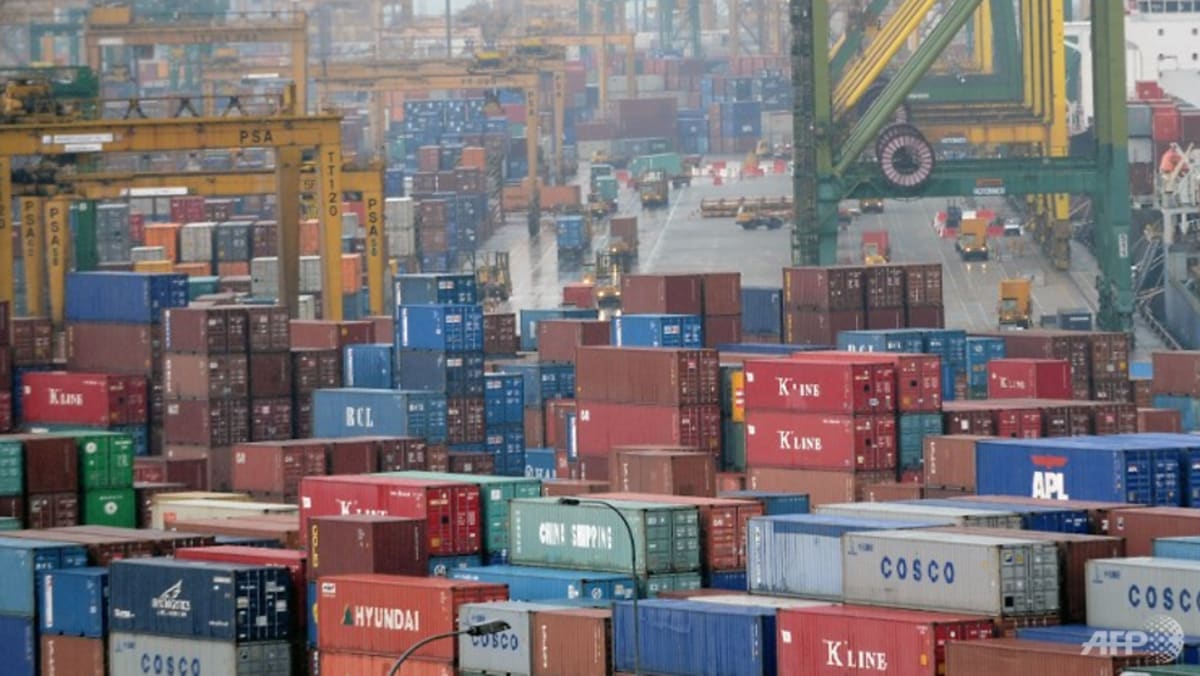
The Office of the United States Trade Representative (USTR) on Wednesday proposed a maximum potential tariff rate of 20 per cent, net of existing Section 301 tariffs, on Singapore’s exports to the country after releasing a report on its investigations into the country's acts, policies, and practices related to structural excess capacity and production in specific manufacturing sectors.
"Singapore disagrees with the USTR’s findings and we are very disappointed with the proposed actions against Singapore," said the Ministry of Energy, Trade and Industry (METI) in a statement on Thursday.
The ministry said the USTR’s findings did not take into account the structure of Singapore’s economy.
"Singapore's global trade surplus is a reflection of our outward- and market-oriented economy as well as our status as a trusted business and trading hub," it said.
"As a small country with limited resources, our priority is to ensure that our markets operate efficiently, and that Singapore remains competitive globally.
The ministry added that Singapore’s economic policies did not protect its domestic market or subsidise manufacturing for export.
"Our free trade agreements seek to lower barriers to trade and investments, and are fully compliant with World Trade Organization (WTO) rules," said METI.
Inicio del artículo, extracto de CNA. Para leer el resto, abra el artículo en el sitio del medio.
MarketNews muestra el titular y el resumen publicados por el medio. El artículo completo se lee en el sitio del editor. (www.channelnewsasia.com)