Trump proposes a new wave of tariffs on China, E.U. and other trade partners
Resumen detallado
The Trump administration says the U.S. has been treated unfairly by trade partners that export subsidized, lower-cost products to the United States.
The Trump administration on Wednesday proposed a new wave of tariffs on the European Union, China and other trade partners, the result of a probe into what it says are unfair manufacturing practices.
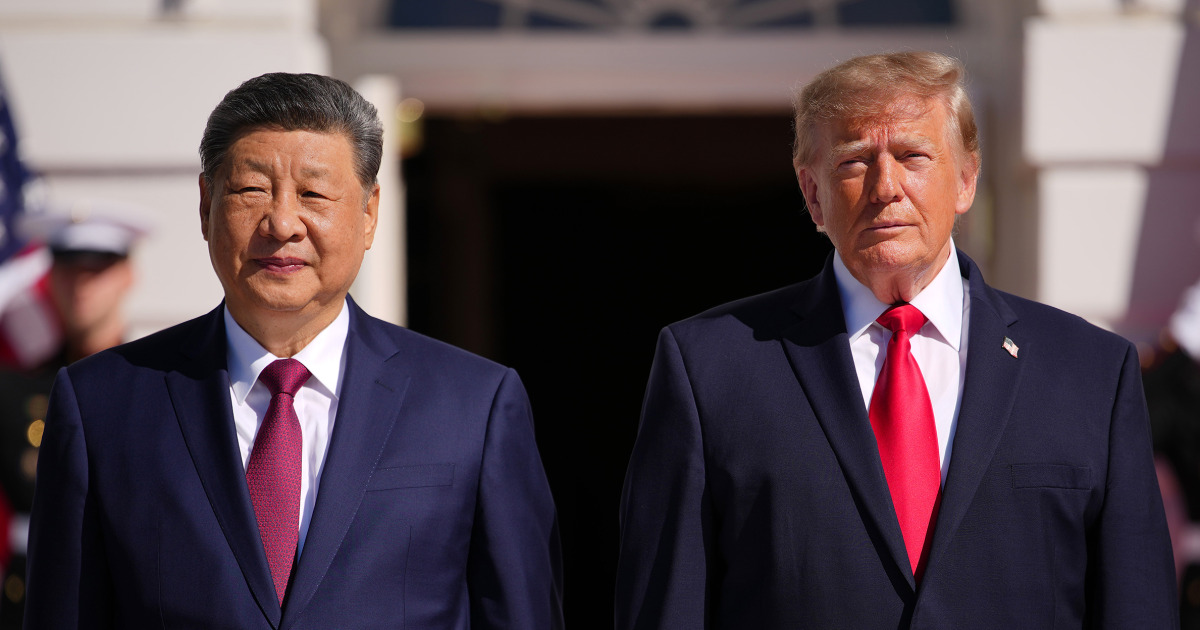
Some of the proposals include tariffs of at least 20% on China, which would match an agreement reached with the White House. But the duties could reach up to 40% if talks between the two countries fail.
The United States’ current trade truce with China was recently extended and is set to expire in January.
The tariffs will be implemented under Section 301 of the Trade Act of 1974, a statute that the White House has relied upon more frequently for trade authority ever since the Supreme Court blocked many of Trump’s 2025 country-specific tariffs, imposed under a different authority.
Wednesday’s announcement came less than a month after Trump’s tariff policies — and the inflation they fueled — contributed to Republicans’ sweeping losses in the midterm elections. Inflation hit 3.7% in September, driven primarily by energy prices, but also by higher prices of goods.
In announcing the details of the new duties, U.S. Trade Representative Jamieson Greer said that the overall rates applied to each trading partner would not surpass levels that were previously agreed to as part of bilateral framework trade deals.
“When it all nets out, it really will just top up a few percentage points,” Greer said on CNBC.
“So what we’re proposing today are actually a set of targeted tariffs to respond to this problem of excess capacity,” he added.
For example, Trump agreed to cap tariffs on E.U. imports at 15% as part of a deal reached in 2025. On Wednesday, the trade representative reiterated that cap.
Inicio del artículo, extracto de NBC News. Para leer el resto, abra el artículo en el sitio del medio.
MarketNews muestra el titular y el resumen publicados por el medio. El artículo completo se lee en el sitio del editor. (www.nbcnews.com)