Small U.S. trucking firms scramble to survive mounting diesel costs
Resumen detallado
When diesel prices topped US$4 a gallon early in the U.S.-Iran war, Kevin Otto thought he could manage by telling his Minnesota trucking company’s 16 drivers to slow down. He estimated that traveling at 65 miles per hour would allow Otto Transfer’s fleet of flatbeds to squeeze two-tenths of a mile more from every gallon and save him $7,000 per truck.
NEW YORK — When diesel prices topped US$4 a gallon early in the U.S.-Iran war, Kevin Otto thought he could manage by telling his Minnesota trucking company’s 16 drivers to slow down. He estimated that traveling at 65 miles per hour would allow Otto Transfer’s fleet of flatbeds to squeeze two-tenths of a mile more from every gallon and save him $7,000 per truck.
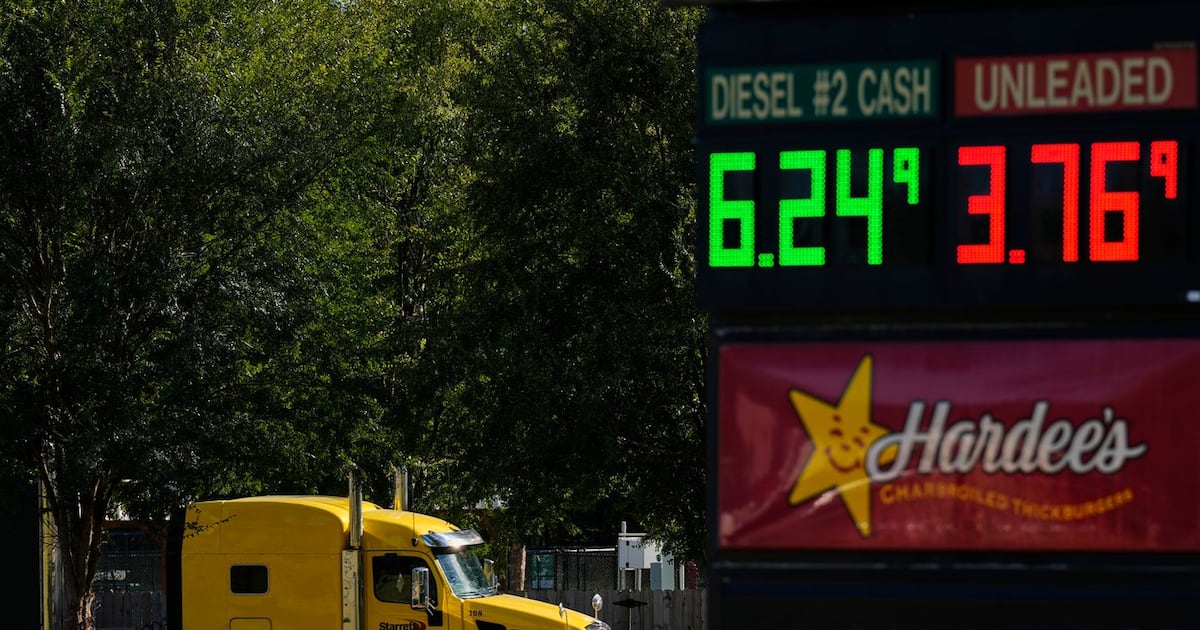
Instead, prices kept climbing. After diesel surpassed $6 a gallon in September, Otto added a fuel surcharge to every job for the first time. He based the surcharge on the government’s weekly Midwest diesel average, beginning at 5 per cent and eventually raising it to 12.5 per cent.
“To me, it’s drastic, but it’s the only way to survive,” said Otto, who took over the 80-year-old company from his parents in 2002.
High diesel prices this year have put new pressure on the small businesses that make up most of the nation’s motor carriers. The war drove up one of their largest and least avoidable daily expenses just as the highly fragmented U.S. trucking industry showed tentative signs of recovery from a yearslong slump marked by weak demand and depressed rates.
Small trucking companies usually have fewer financial buffers against surging fuel prices than their larger competitors. Big fleets typically have greater cash reserves, often buy diesel at bulk discounts and tend to negotiate long-term contracts with adjustable fuel surcharges. Many smaller operators negotiate rates one load at a time and must absorb higher pump prices while waiting three to four weeks for spot rates to catch up, freight data provider DAT Freight & Analytics said.
Even when a rate includes a separate line item for fuel, carriers may wait 30 to 90 days to be paid.
“Those lags in the rates catching up to fuel are even more challenging if you’ve got to put food on the table and you don’t have a large company that’s helping carry over that difference,” Alex Leslie, senior research associate at the American Transportation Research Institute, said.
On…
Inicio del artículo, extracto de BNN Bloomberg. Para leer el resto, abra el artículo en el sitio del medio.
MarketNews muestra el titular y el resumen publicados por el medio. El artículo completo se lee en el sitio del editor. (www.bnnbloomberg.ca)