There's More to Key West Than Meets the Eye
Resumen detallado
Look past the bachelorette parties and cruise ship passengers crowding Key West’s Old Town and you’ll find an island where Bahamian and Cuban traditions remain intact, and whose…
Look past the bachelorette parties and cruise ship passengers crowding Key West’s Old Town and you’ll find an island where Bahamian and Cuban traditions remain intact, and whose living coral barrier reef is still a source of wonder.
Key West might be one of the most iconic vacation destinations in the United States, but it doesn’t exactly have the greatest reputation.
In 2025, the four-mile-long island welcomed nearly 600,000 cruise ship passengers who rubbed shoulders with the bachelorette parties crowding the tropical-themed bars along Duval Street. From this perspective, America’s southernmost town can look like the poster child for the ills of mass tourism, with its rowdy crowds and identical tchotchke shops.
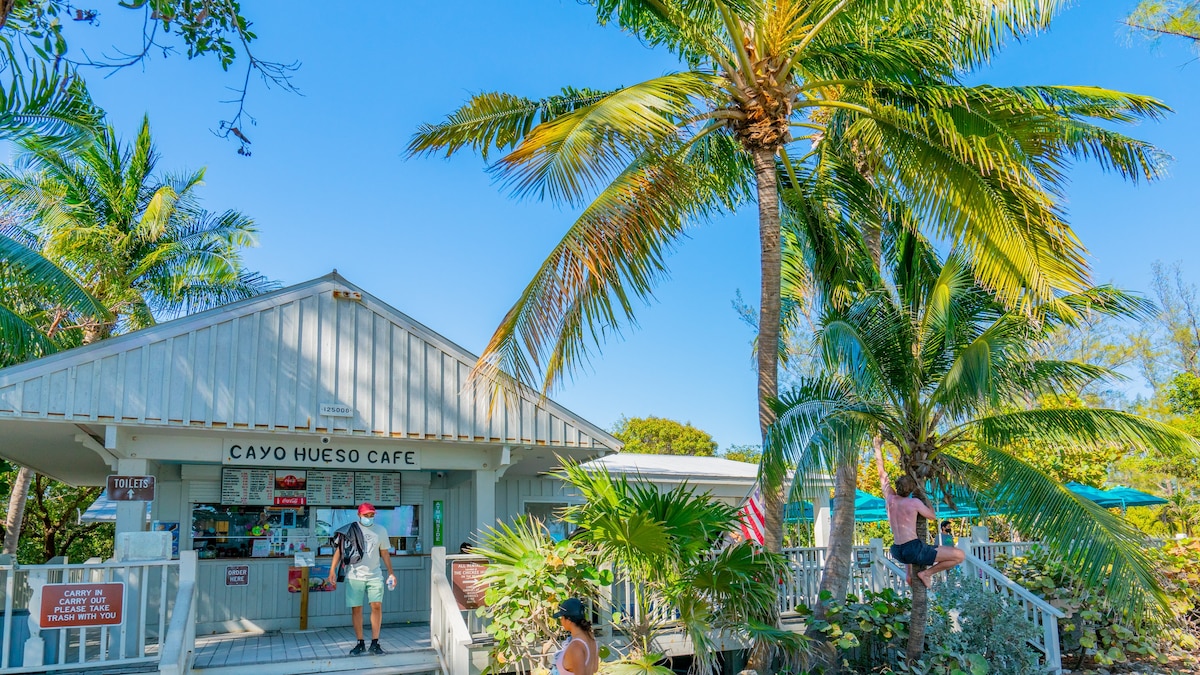
But it isn’t hard to find the real Key West, if you know where to look. The influence of the Bahamians and Cubans who began settling the island nearly two centuries ago still persists, as does the legacy of Ernest Hemingway and other cultural figures who spent time here. Famously closer to Havana than it is to Miami, Key West can feel like it is not of America––particularly as you pass the shrimp boats docked on Stock Island, the water on either side of the stick-straight Marathon Highway a glassy turquoise. Suddenly you’re in a magical maritime kingdom that has long lured fascinating people and still does today.
The island’s petite size is part of what makes its rich history seem so strange and fantastic, says Cori Convertito, a maritime historian who has lived in Key West for more than a quarter of a century. "To think all of these different cultural assets ended up here––it shouldn't have happened. And yet it did."
Spanish sailors named the island Cayo Hueso, or Bone Island, in the early 16th century after finding bones scattered across it, likely in the burial grounds of the Calusa and Tequesta who were its original inhabitants.
What drew newcomers to the island, Convertito says, was its natural deep-water harbor.
"There's a lot of history you can learn just…
Inicio del artículo, extracto de National Geographic. Para leer el resto, abra el artículo en el sitio del medio.
MarketNews muestra el titular y el resumen publicados por el medio. El artículo completo se lee en el sitio del editor. (www.nationalgeographic.com)