What’s really inside squishy toys? This is what Talking Point found after it sent 18 to a lab
Resumen detallado
Squishies are a hit with children, but what happens when they leak or are left in direct sunlight? Experts identify potential hazards and precautions parents can take as a third…
Squishies are a hit with children, but what happens when they leak or are left in direct sunlight? Experts identify potential hazards and precautions parents can take as a third of the toys Talking Point tested contain restricted chemicals.
SINGAPORE: Ten-year-old Dora has 127 squishy toys. Sometimes she brings one to bed to hold as she goes to sleep.
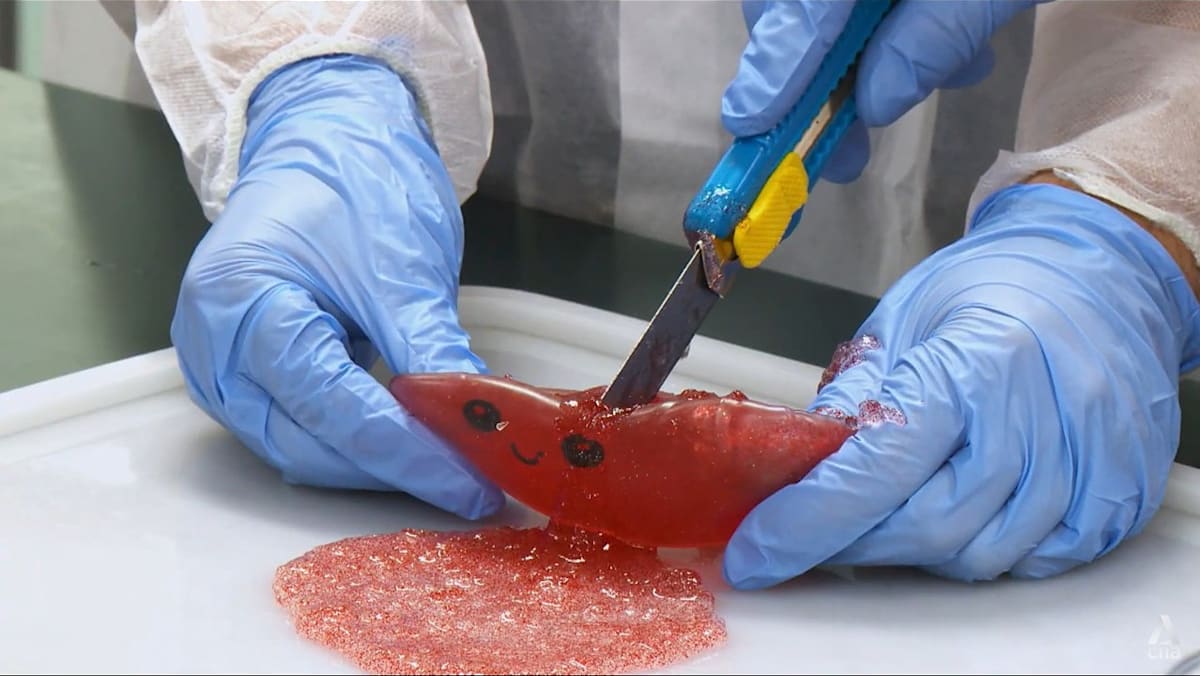
When one of her squishies popped, “it was like shaving cream” and “very sticky”, she said. “It just went all over my hand. And it was hard to come off.”
With 10 squishies, Lovelle has nowhere near the number Dora has, but she likes these toys no less. “They’re so special,” said the six-year-old.
Mishka, meanwhile, likes them because when she is “stressed” about something, she feels comforted squishing one. Life at age seven can be “very difficult”, she said with a grin.
Squishies are the latest craze among children today. They are easy to find — in shopping centres, neighbourhood shops and online — and can cost anywhere from about S$2 to S$30.
But there have been news reports about the risk of chemical exposure due to some of these toys. In August, the United States reported stopping nearly 356,000 non-compliant squishy toys entering at its ports.
In the same month, authorities in Thailand reported seizing nearly 20,000 squishy toys over chemicals such as volatile organic compounds — associated with cancer risk — and phthalates, which are linked to developmental issues and can affect hormone levels.
What is really inside the squishy toys that children in Singapore play with, and how safe are they, Talking Point viewers wrote in to ask.
Inicio del artículo, extracto de CNA. Para leer el resto, abra el artículo en el sitio del medio.
MarketNews muestra el titular y el resumen publicados por el medio. El artículo completo se lee en el sitio del editor. (www.channelnewsasia.com)