When food becomes a test of belonging in India
Resumen detallado
The growing politicisation of vegetarianism in India threatens to marginalise diverse culinary traditions, undermine livelihoods and turn dietary choices into a test of religious belonging.
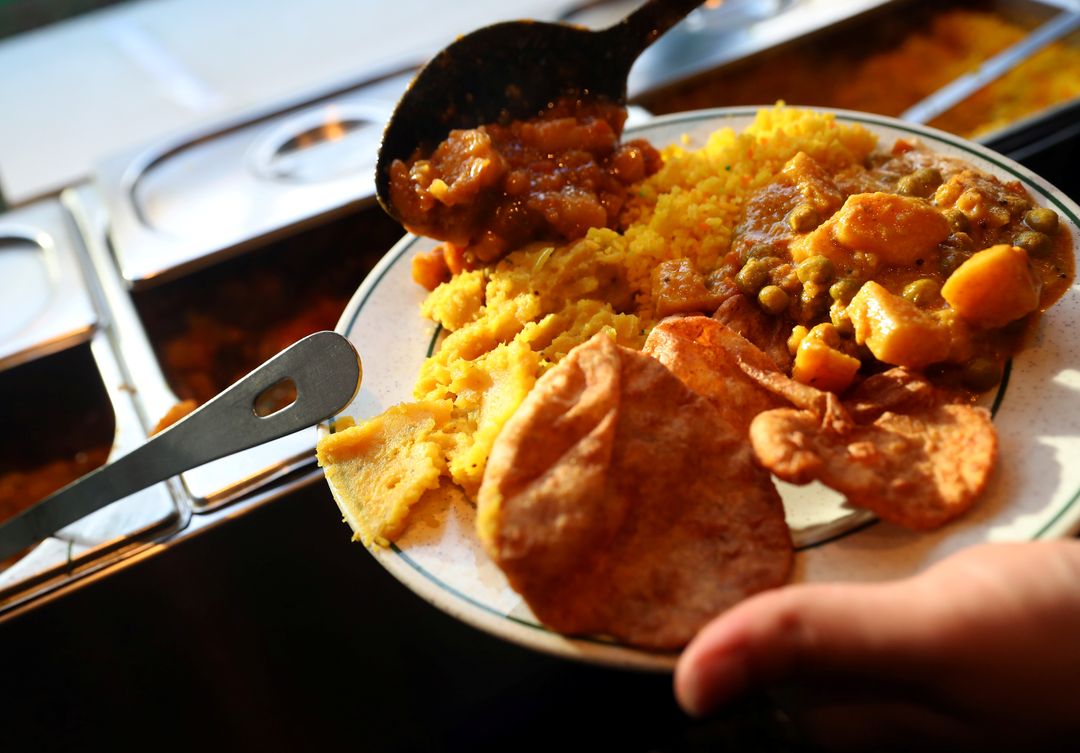
India's culinary traditions reflect the diversity of its regions, religions, castes and communities.
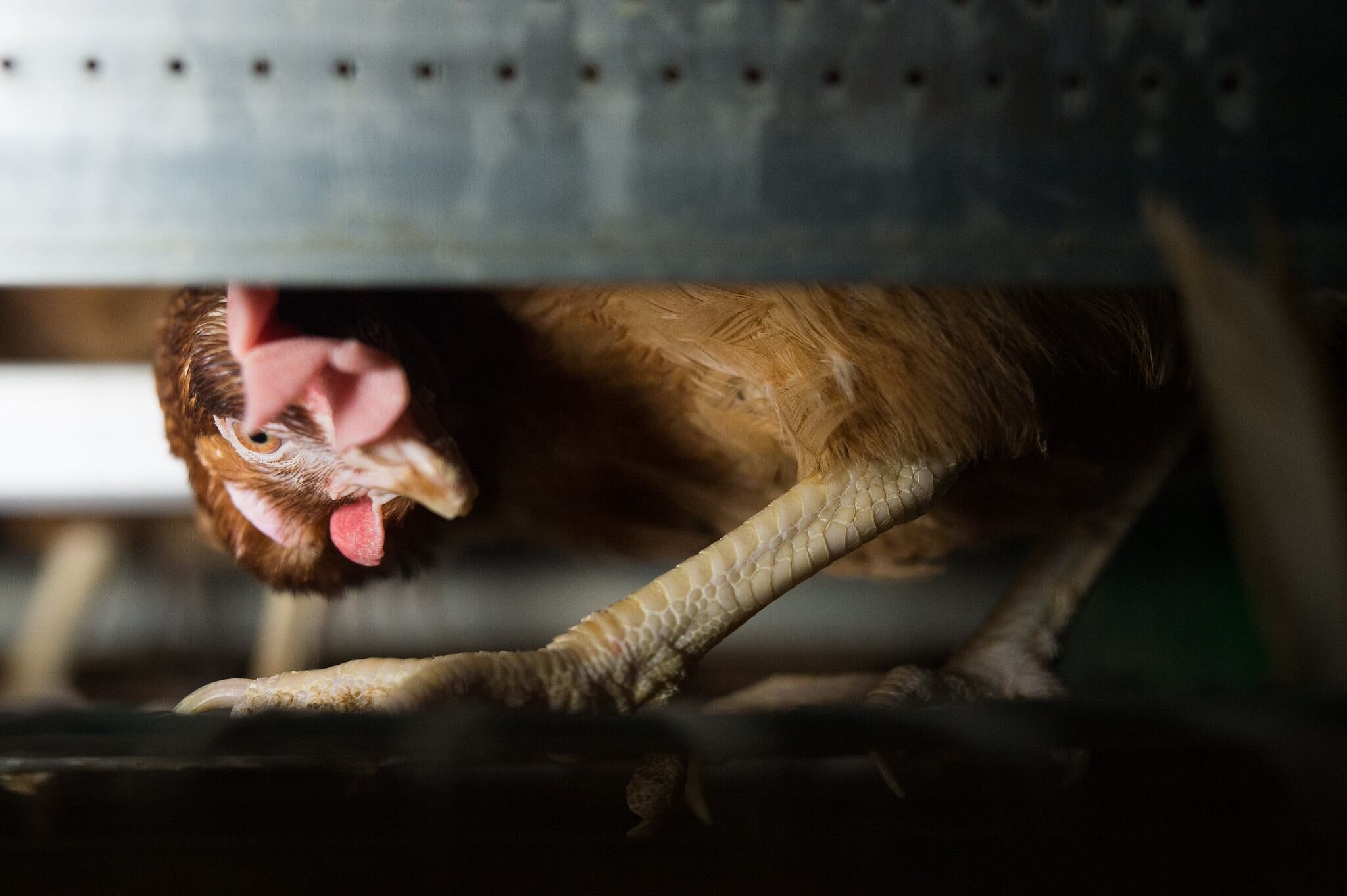
While vegetarianism occupies an important place in Indian culture, meat, fish and eggs are also integral to the diets of millions of Indians, including a significant proportion of the country's Hindu population.
Yet the growing politicisation of food has raised questions about whose dietary practices are considered representative of India and what this means for religious belonging, livelihoods and access to nutrition.
This debate came into focus recently when Prime Minister Narendra Modi hosted leaders of BRICS, the grouping originally comprising Brazil, Russia, India, China and South Africa, in New Delhi. The gala dinner was entirely vegetarian, with regional dishes on the menu.
The following day, opposition leader Rahul Gandhi said that 80 percent of Indians are non-vegetarian, while defenders of the government argued that the opposition was politicising food.
There is some truth in both positions. Vegetarian food is an important part of Indian cooking, and the dinner was hardly an unusual choice for an official occasion.
The real issue is the cultural monopoly that emerges when one dietary preference is presented as representative of an entire nation.
India is incredibly diverse, yet we are seeing one specific diet being weaponised politically, leaving millions of people feeling like outsiders in their own kitchens.
The figures do not fit neatly into either side's argument. Data For India estimates that around 80 percent of Indians aged 15–49 consume animal-source foods, such as eggs, fish and meat. Its analysis also finds that a little over three-quarters of Hindus consume these foods, although this does not mean that everyone eats meat regularly.
Inicio del artículo, extracto de TRT World. Para leer el resto, abra el artículo en el sitio del medio.
MarketNews muestra el titular y el resumen publicados por el medio. El artículo completo se lee en el sitio del editor. (www.trtworld.com)