‘Look what I’ve produced’: Inside ‘peacock parenting,’ where kids become their parents’ status symbols
Resumen detallado
Parents say they're more affectionate than their own parents were. But when a child's milestone exists mainly to impress an audience, experts say kids pay the price.
Today’s parents are consciously trying to break with how they were raised, prioritizing emotional well-being over punitive discipline. But a parenting phenomenon gaining attention seems at odds with that generational shift: “peacock parenting,” in which children become status symbols for their parents.
In ZERO TO THREE’s First Voice survey of more than 2,200 parents of children ages 5 and under, conducted this summer, 61% say they tell their kids “I love you” more often than their own parents did. Sixty percent say they focus more on their children’s mental health, and 56% say they won’t use the physical discipline they experienced growing up.
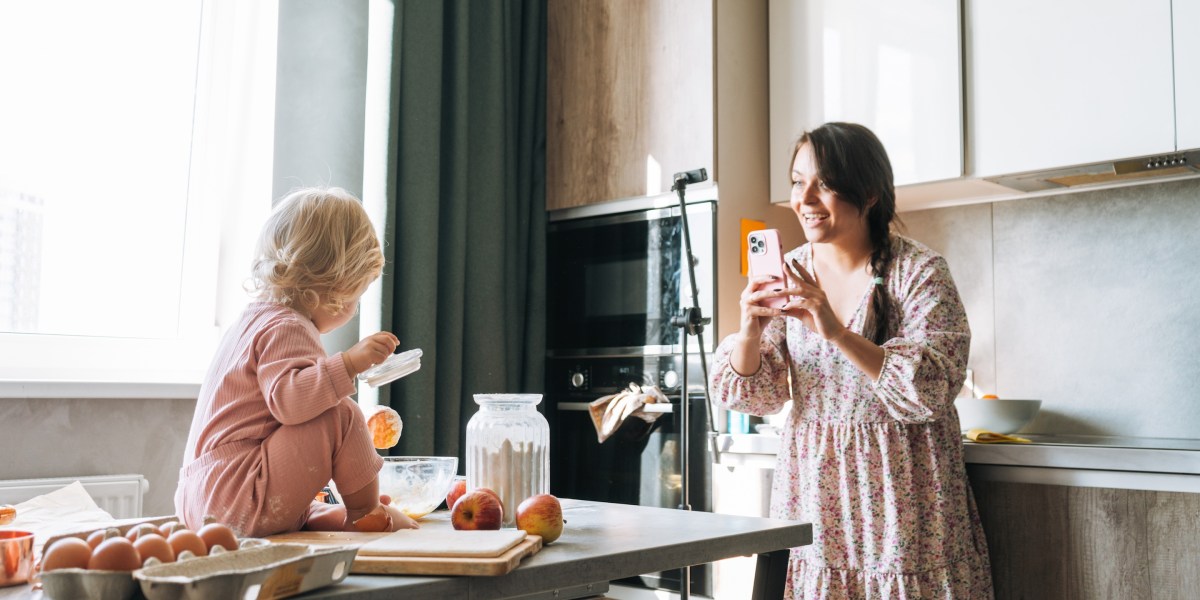
Peacock parenting describes a pattern of narcissistic behavior in which parents prioritize their own need for admiration and control over their children’s emotional needs. There’s no prevalence data specific to the term, and the underlying psychology is not new. What has changed is the public visibility of children’s lives, and the opportunities for parents to turn their kids’ achievements into social and financial capital.
“Pride says, ‘I’m so happy for you.’ Peacocking says, ‘look what I’ve produced,’” says Dr. Christine Ghilain, a double board-certified clinical neuropsychologist and founder of Brain Health Neuropsychology in New Jersey. “It tips over when the moment is for the audience and not the child.”
She says the red flags include an achievement that doesn’t feel real until it’s been posted, moments staged or redone for the camera, repeated posting even after a child objects, and a parent’s mood that rises and falls with the likes.
The desire for an audience may have as much to do with insecurity as vanity. In the First Voice survey, 53% of parents said raising a child is harder than they expected. And 42% said managing their own mental health had been a challenge in the past month.
Ghilain believes the pressures and isolation of modern parenthood help explain why parents seek validation through their children.
Tara Oporto…
“…
Inicio del artículo, extracto de Fortune. Para leer el resto, abra el artículo en el sitio del medio.
MarketNews muestra el titular y el resumen publicados por el medio. El artículo completo se lee en el sitio del editor. (fortune.com)