Baby bill shock: Data-matching whacks tens of thousands of taxpayers
Resumen detallado
A tax office push on private health insurance is forcing people to pay thousands of dollars in Medicare surcharge despite having private cover.
Tens of thousands of Australians are being snared in a tax office push on private health insurance, and are forced to pay thousands in Medicare levy surcharge despite having private cover.
The Australian Taxation Office is using data-matching technology to enforce a poorly understood law on families’ private health insurance requirements.
Now, about 50,000 people are staring down hefty tax debts for not taking out private hospital cover for all family members, including dependent children and spouses, or buying the wrong kind of insurance.
Lisa Greig, a tax lecturer at the University of Melbourne, said the number of affected taxpayers was surprisingly large, and probably caused by a misunderstanding of how the laws apply or a lack of attention to detail in tax return disclosures, rather than tax avoidance.
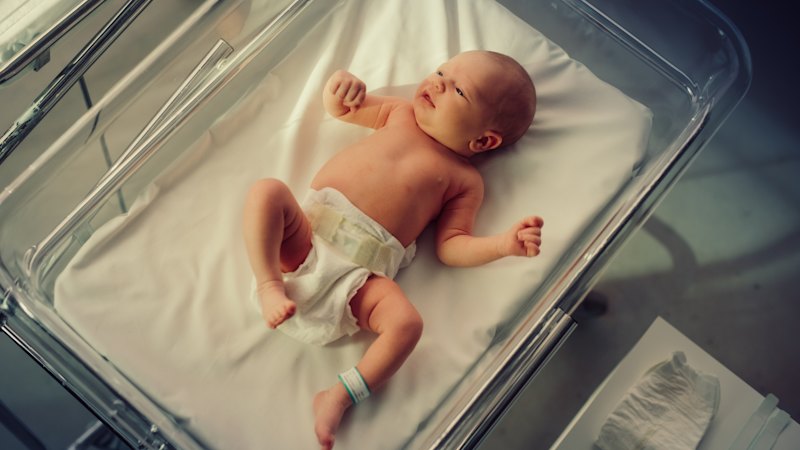
Some parents agree and have complained they were not informed – by their tax agent, insurer or the hospital where they gave birth – that they needed to add their child to their insurance to avoid a pricey surcharge.
The ATO has not yet determined the total amount owed. It is also unclear what the average debt is, although people are reporting receiving bills in the thousands. In the 2024 financial year, 885,087 people paid the Medicare levy surcharge, at an average $1284 per person.
In July, the tax office flagged it would send “data-matching letters” to well-paid people or families who did not have the required “appropriate level of private patient hospital insurance” to avoid the Medicare levy surcharge. “Appropriate” cover must have an excess of $750 or less for singles, while couples or families must have an excess of $1500 or less. General cover, known as extras, does not qualify.
The surcharge is designed to encourage people on high incomes to take out private hospital cover and applies to singles earning at least $105,000, and couples and families earning at least $210,000 combined.
This week, the ATO said it “expect[ed] to issue letters to approximately 50,000…
Inicio del artículo, extracto de The Age. Para leer el resto, abra el artículo en el sitio del medio.
MarketNews muestra el titular y el resumen publicados por el medio. El artículo completo se lee en el sitio del editor. (www.theage.com.au)