India watches as Trump, Putin and Xi sit down for landmark trilateral
Resumen detallado
Veteran American diplomats see little merit to the fear that Trump will make major strategic concessions to Russia or China, including in Asia. | World News
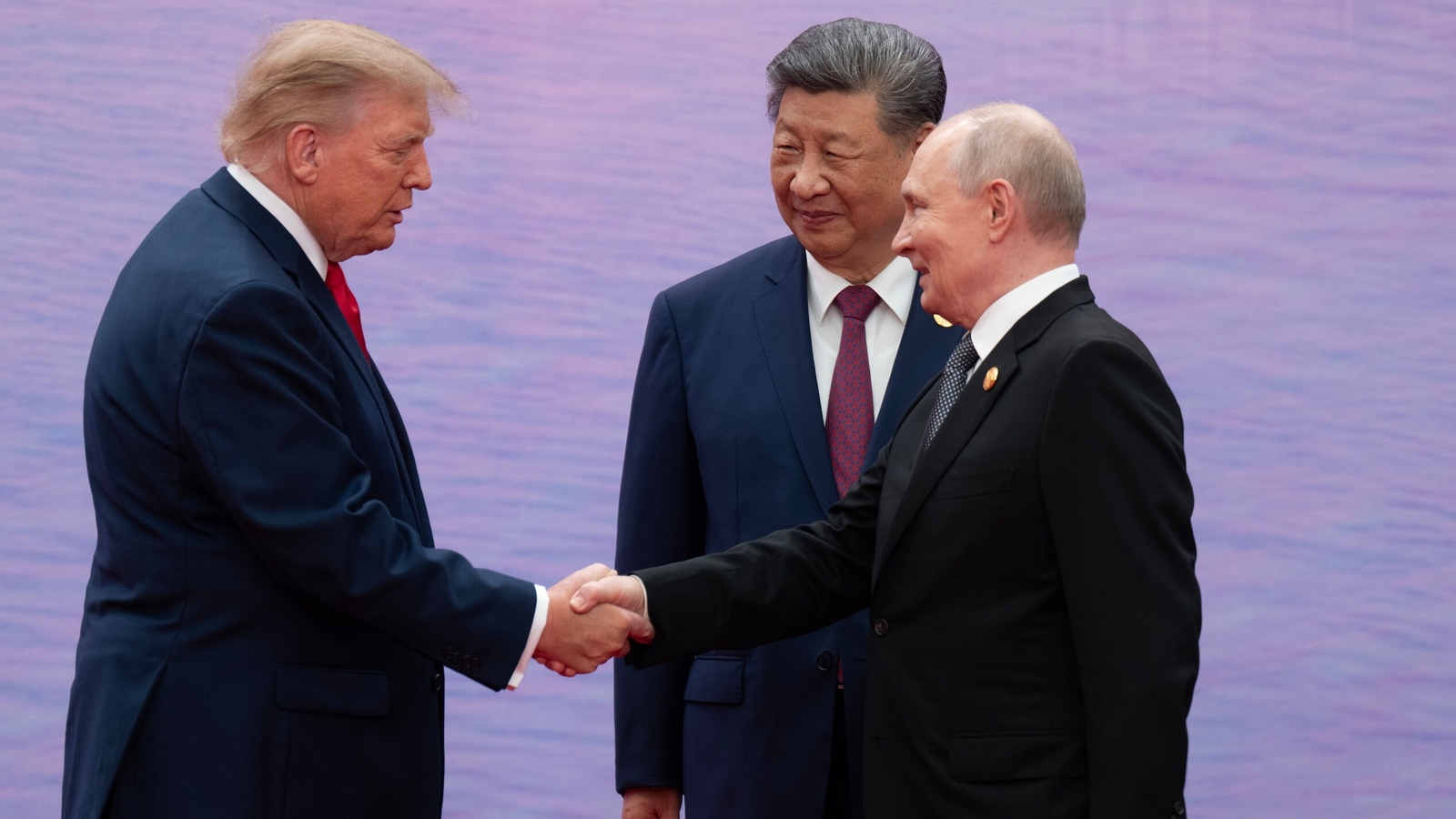
The world’s major diplomatic capitals, from Brussels to New Delhi, will watch with a mix of anxiety, curiosity and caution as US President Donald Trump sits down with Russian President Vladimir Putin and Chinese President Xi Jinping for landmark trilateral talks in China. The agenda, on the face of it, is expansive: securing peace in Iran and Ukraine, and stopping the breakneck development of the world’s nuclear arsenals.
The upcoming trilateral has been dubbed by some, including Ukrainian President Volodymyr Zelensky, as a “Yalta” moment, referencing the historic 1945 summit meeting towards the end of World War II attended by the leaders of America, Britain and the Soviet Union. The three nations proceeded to decide how much of the post-war world would look between them. To some, the trilateral in Shenzhen echoes the fundamental principle behind Yalta: great powers led by strong leaders get to decide the world’s big issues between them while the rest of the world watches.
However, some view the comparison to Yalta as overblown. Roosevelt, Churchill and Stalin met in 1945 as partners who had worked together for years to defeat the existential threat posed by Nazi Germany. The agreement, it was hoped, would carry forward that wartime cooperation into a new era. The mood in Shenzhen is different. The leaders of three nations meet not as close partners but as wary competitors despite signs of accommodation.
“Behind the scenes, even though the three will be meeting and shaking hands, the United States is providing support to Ukraine that, on a daily basis, is inflicting huge damage on Russian soldiers, and we are an active player in that conflict. Russia would not be able to undertake its war efforts in Ukraine without the strong support of China’s dual-use capabilities, and in Iran, it is Russia and China that are basically supporting Tehran in a variety of ways that have sustained the conflict. So those will be difficult issues, frankly, to discuss.
For similar reasons…
Inicio del artículo, extracto de Hindustan Times. Para leer el resto, abra el artículo en el sitio del medio.
MarketNews muestra el titular y el resumen publicados por el medio. El artículo completo se lee en el sitio del editor. (www.hindustantimes.com)